




Forensic & Criminological Matrix
| Parameter | Forensic Detail |
|---|---|
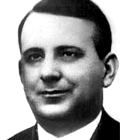
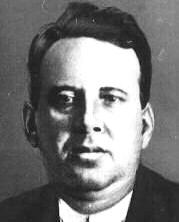
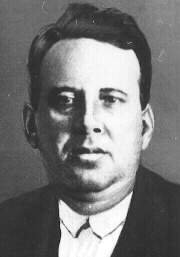
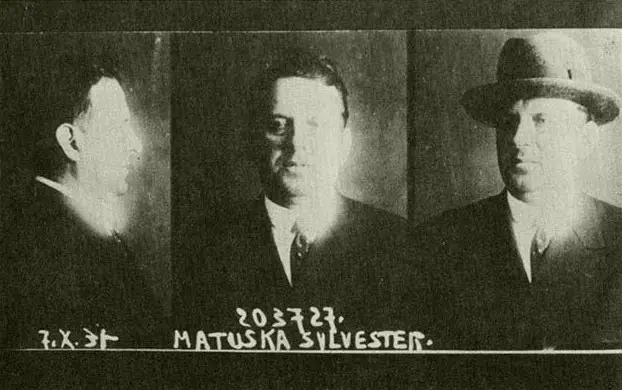
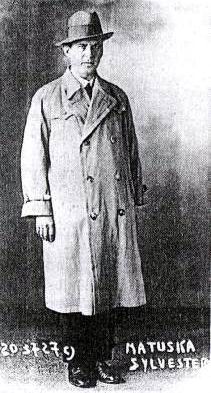
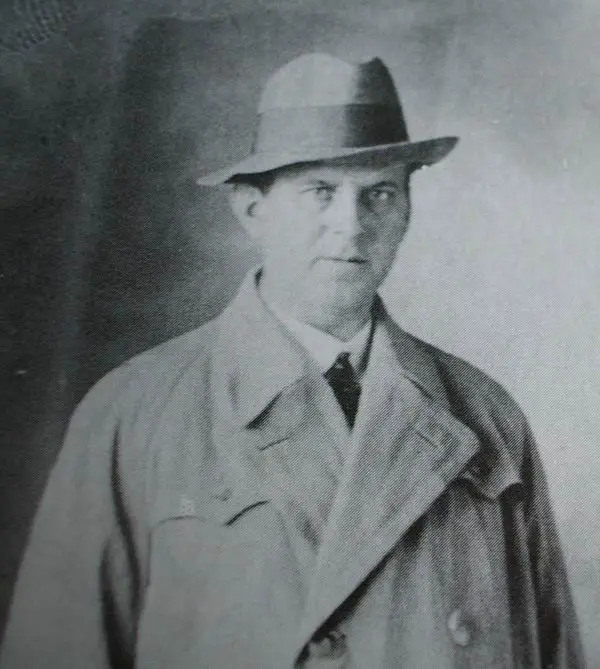
| Full Legal Name | Sylvestre Matuschka (Hungarian: Matuska Szilveszter) |
| Media Monikers | The Train Wrecker, The Biatorbágy Viaduct Bomber |
| Nationality | Hungarian |
| Date of Birth | January 29, 1892, Csantaver, Kingdom of Hungary (now Serbia) |
| Date of Death | Unknown (vanished following release/escape from Vác Prison amid Soviet advance in 1944/1945) |
| Historical Penal Status | Sentenced to death in Hungary (commuted to life imprisonment per Austrian extradition treaty); served initial term in Austria |
| Confirmed Murder Victims | 22 train passengers (at the Biatorbágy viaduct derailment) |
| Seriously Injured Victims | Over 120 passengers across three bombing incidents |
| Active Terror Campaign | December 1930 – September 1931 |
| Geographic Jurisdiction | Ansbach and Jüterbog (Weimar Germany); Biatorbágy viaduct, near Budapest (Hungary) |
| Lethal Forensic Mechanics | Improvised explosive devices (dynamite and ecrasite detonated by locomotive wheel pressure) causing catastrophic structural rail collapse |
| Medicolegal Significance | Foremost global psychiatric paradigm of symphorophilia (erotic arousal and orgasm achieved exclusively by orchestrating or witnessing mass catastrophic accidents) |
| Primary Criminal Motive | Paraphilic destructive orgasm, catastrophic mechanical sadism, and messianic megalomania |
1. Criminological Trajectory and the Concept of Symphorophilia
Sylvestre Matuschka represents an unprecedented diagnostic entity in international forensic psychopathology. A successful Hungarian civil engineer, wine merchant, and real estate developer residing in Vienna, Matuschka served as a demolition lieutenant in the Austro-Hungarian army during World War I, obtaining advanced technical expertise in military pyrotechnics.
Beneath an affluent bourgeois exterior, Matuschka harbored extreme paraphilic sadism known in clinical sexology as symphorophilia: erotic orgasmic gratification achieved by witnessing catastrophic vehicular disasters. From early adulthood, Matuschka experienced overwhelming sexual ecstasy triggered by locomotive collisions, culminating in a compulsive urge to engineer mass rail derailments to achieve sexual ejaculation while watching human agony.
2. Experimental Derailments in Germany (1930–1931)
Prior to his signature massacre, Matuschka tested improvised detonators across German railways:
- December 1930 (Ansbach, Germany): Obstructed rails targeting a passenger express; the locomotive braked with minimal disruption.
- August 8, 1931 (Jüterbog, Germany): Placed a powerful dynamite charge on the Berlin-Basel express track. The train detonated the charge at high speed, derailing eight carriages and severely injuring over one hundred passengers. Concealed in roadside brush, Matuschka masturbated to climax while surveying the burning wreckage and shrieking victims.
3. The Biatorbágy Viaduct Catastrophe (September 13, 1931)
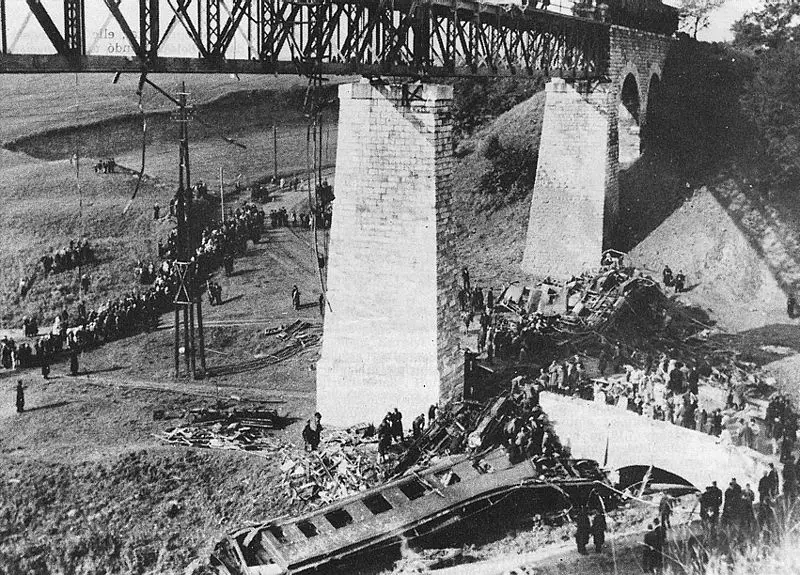
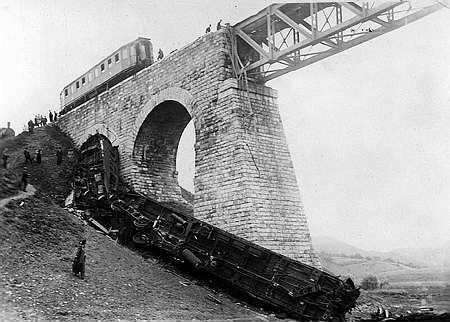
Seeking maximum kinetic destruction, Matuschka targeted the railway viaduct at Biatorbágy, twenty kilometers west of Budapest:
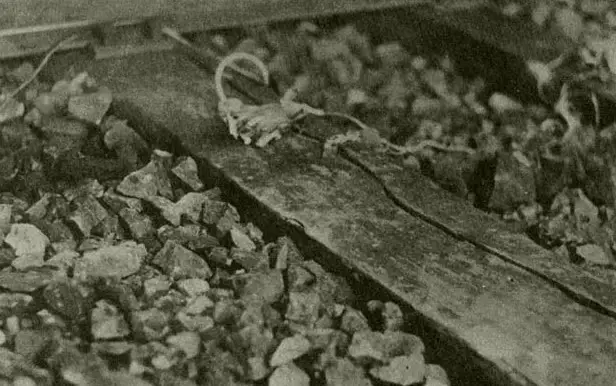
- On the night of September 12–13, 1931, he secured an explosive charge containing ecrasite and dynamite to the tracks, linked to a pressure switch triggered by heavy train wheels.
- At 00:20, the Vienna-Budapest night express traversed the viaduct.
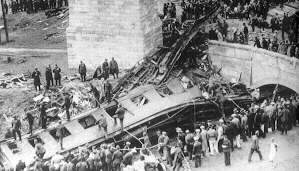
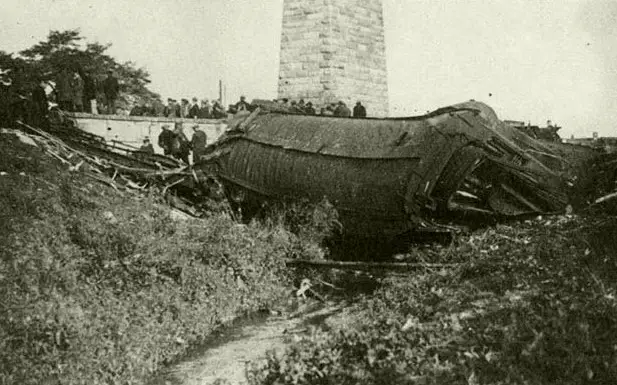
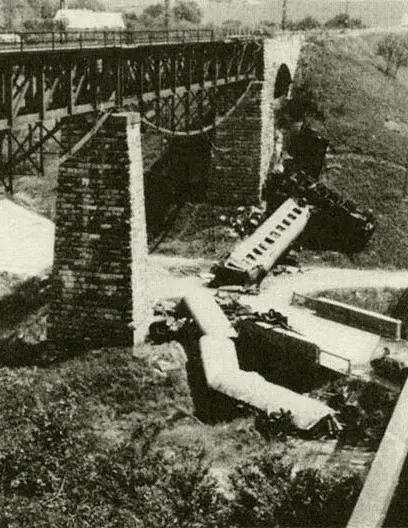
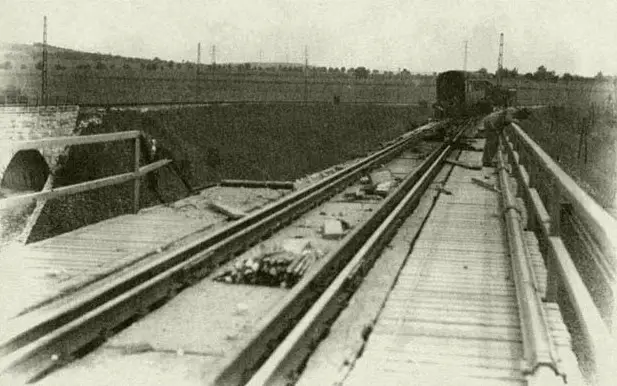
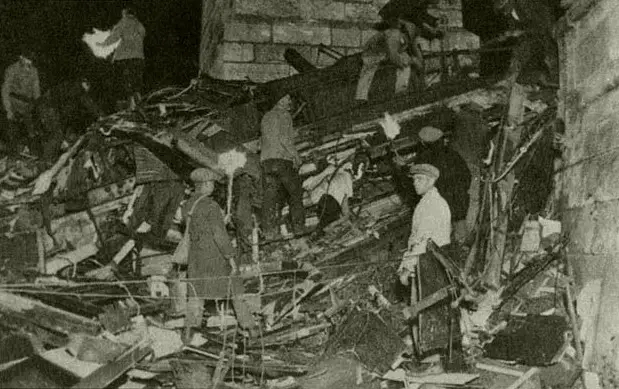
- The detonation severed the tracks: the steam locomotive, tender, and six passenger carriages plummeted 26 meters (85 feet) into the ravine abyss.
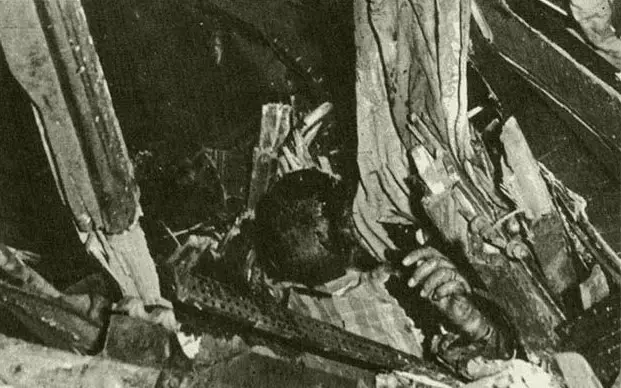
- The toll was catastrophic: 22 passengers killed instantly, with scores grievously injured and dismembered.
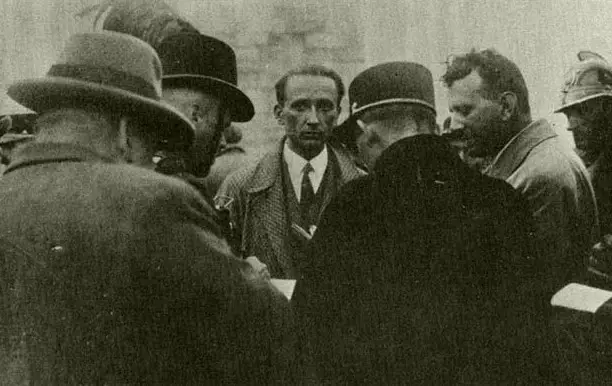
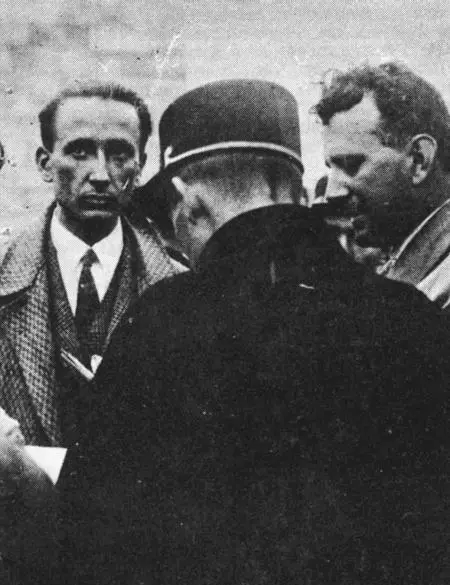
- Perched on a nearby ridge, Matuschka reached orgasmic euphoria, subsequently mingling with rescuers masquerading as an uninjured survivor.
4. Political Crisis, Forensic Inquest, and Confession
The bombing sparked political upheaval:
- Hungarian Regent Miklós Horthy's government declared martial law, blaming a "communist conspiracy" and executing political dissidents.
- Austrian and Hungarian detectives uncovered suspicious anomalies: Matuschka filed an exorbitant insurance claim for lost luxury baggage, though he was not on ticket manifests.
- Detonator fragments recovered at Biatorbágy matched remnants from the Jüterbog bombing.
- On October 10, 1931, Vienna police raided his home, unearthing blueprints of European railway systems, timing fuses, and dynamite stores.
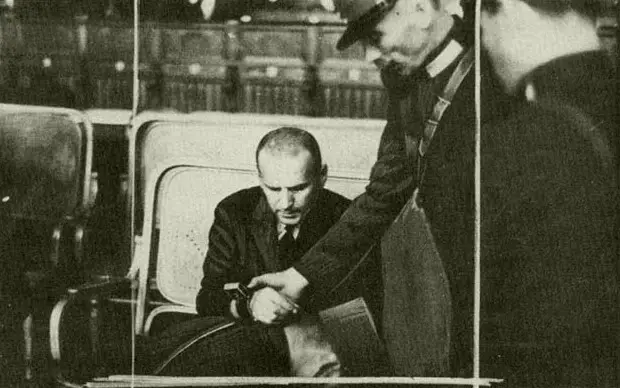
Under psychiatric evaluation, Matuschka confessed comprehensively, detailing how the shriek of tearing steel and human screams induced uncontrollable sexual climaxes.
5. Trial, Life Confinement, and Disappearance
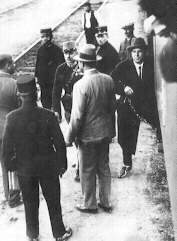
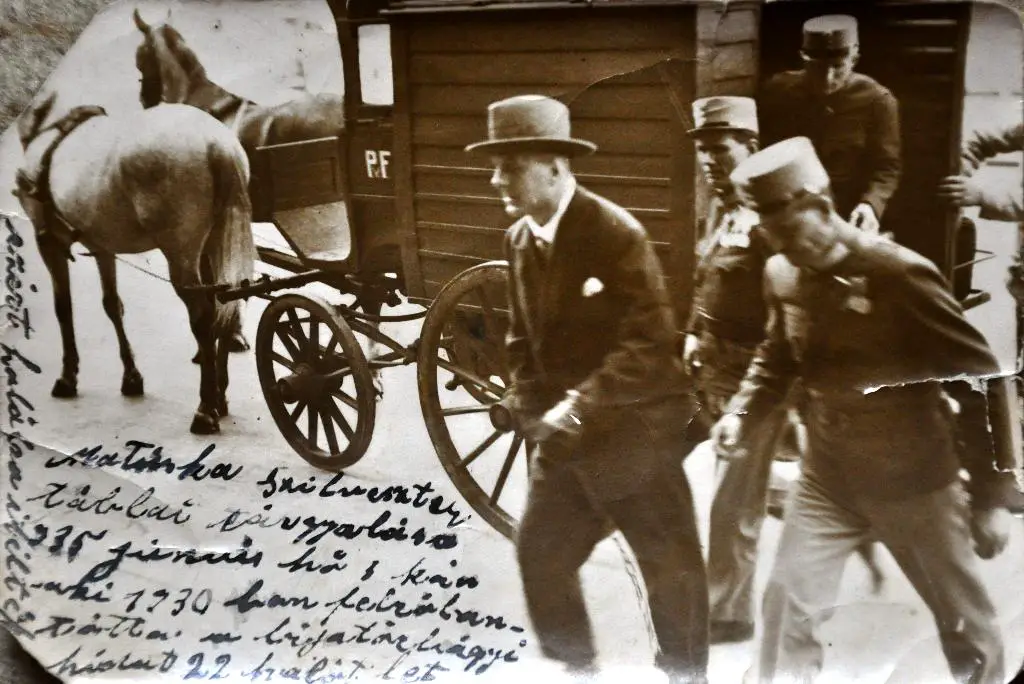
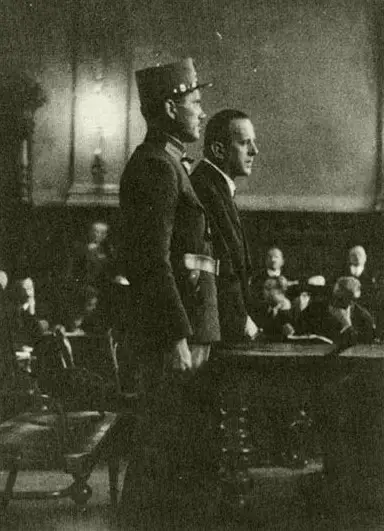
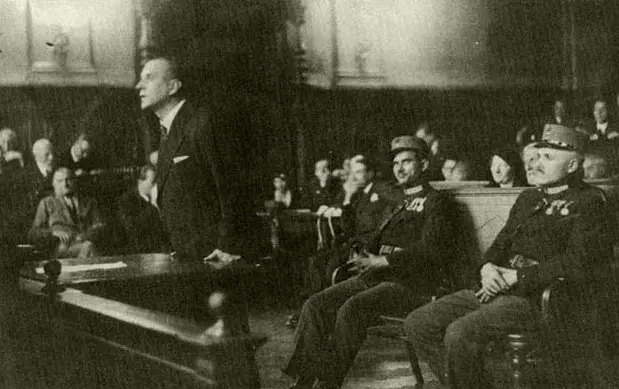
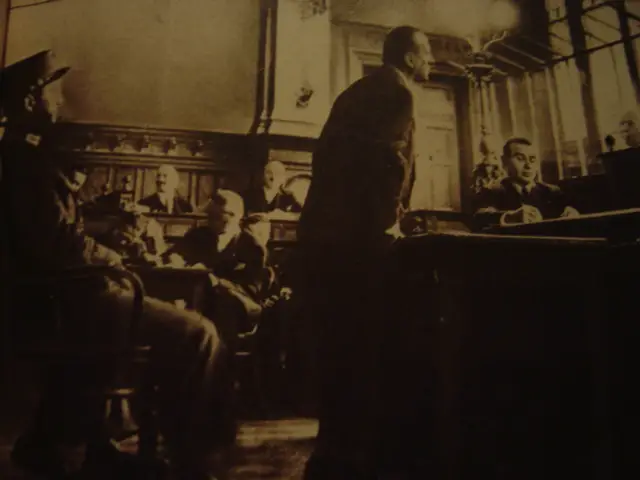
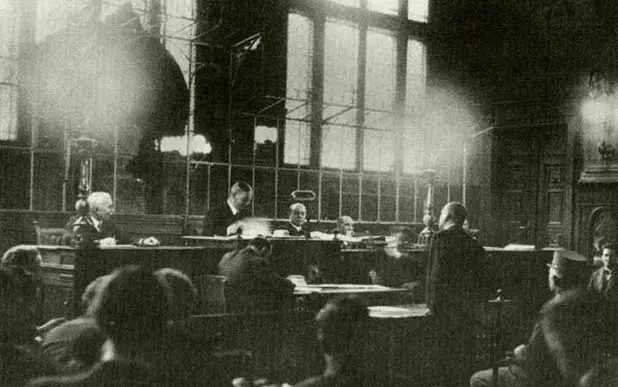
Matuschka was convicted in Austria, receiving a six-year sentence for the German bombings. Extradited to Hungary under the covenant that capital punishment would not be carried out, he received life imprisonment in 1934.
Confined at Vác Prison, Matuschka vanished amid the chaos of late 1944 when advancing Soviet Red Army forces liberated or emptied the facility. Conflicting intelligence cables suggested he offered demolition services to Soviet units or relocated to Asia. His ultimate fate remains unknown, leaving his name as clinical psychology's archetype of mechanical symphorophilia.