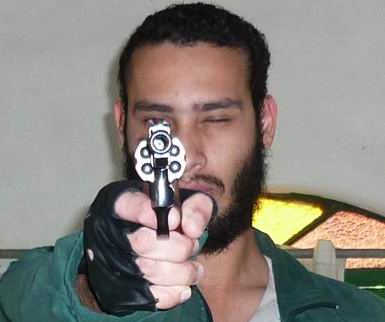




Forensic & Criminological Matrix
| Parameter | Forensic Detail |
|---|---|
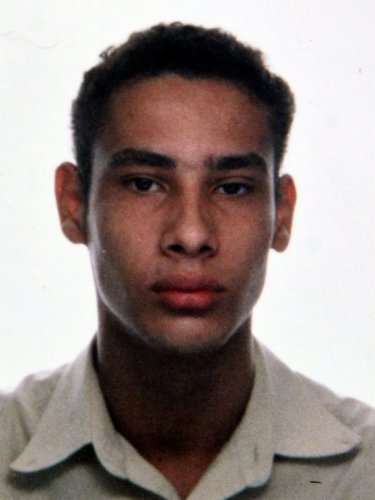
| Full Legal Name | Wellington Menezes de Oliveira |
| Media Monikers | The Realengo School Shooter, O Atirador de Realengo |
| Nationality | Brazilian |
| Date of Birth | April 23, 1987, Rio de Janeiro, Brazil |
| Date of Death | April 7, 2011 (aged 23, suicide via self-inflicted cranial gunshot wound after being neutralized by military police) |
| Penal Status | Extinguished upon perpetrator's death |
| Confirmed Murder Victims | 12 elementary/middle school students (10 female, 2 male, aged 12 to 14) |
| Injured Victims | Over 20 students wounded by gunfire or fractured glass |
| Date and Time of Attack | April 7, 2011 (08:30 local time) |
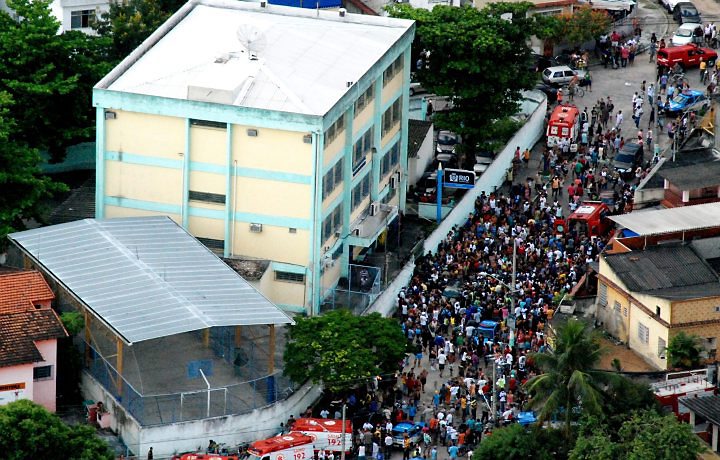
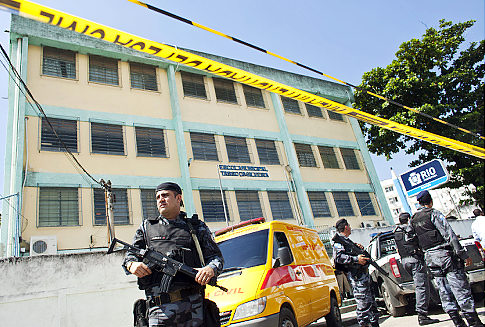
| Geographic Jurisdiction | Escola Municipal Tasso da Silveira, Realengo neighborhood, West Zone of Rio de Janeiro, Brazil |
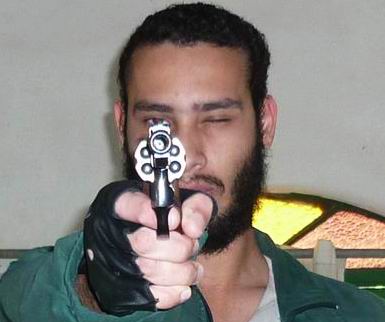
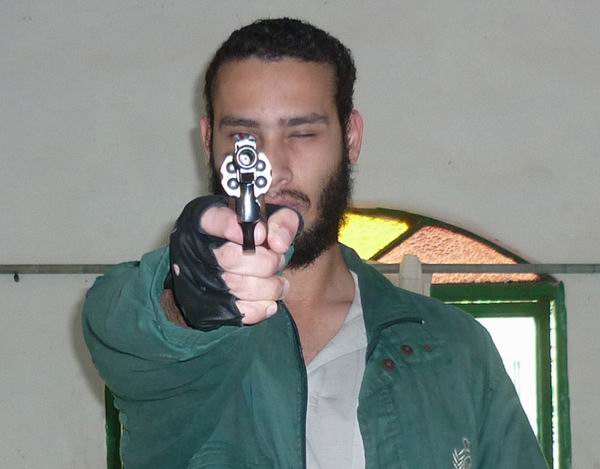
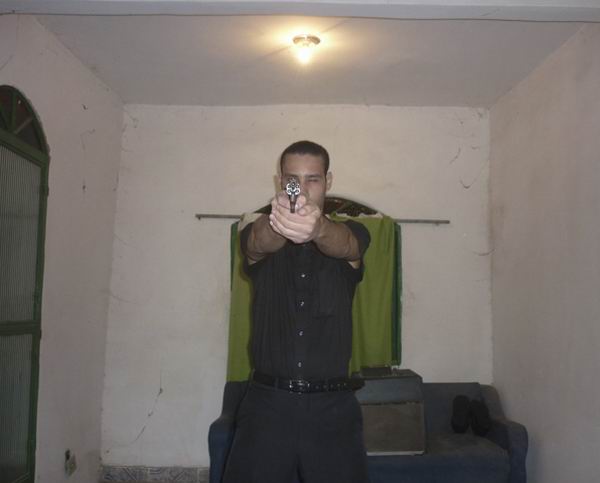
| Weaponry Employed | Two double-action revolvers (a .38 Special Rossi and a .32 caliber revolver), speedloaders, and over 100 live rounds |
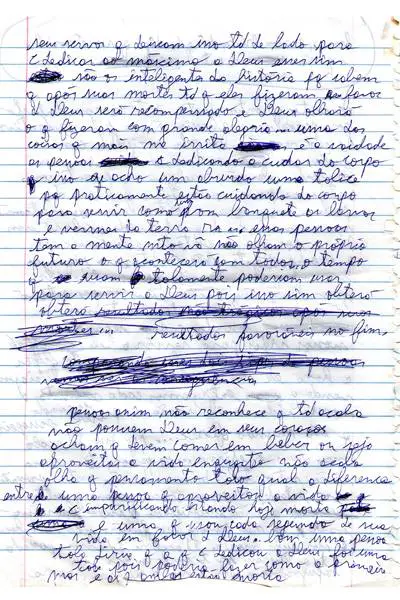
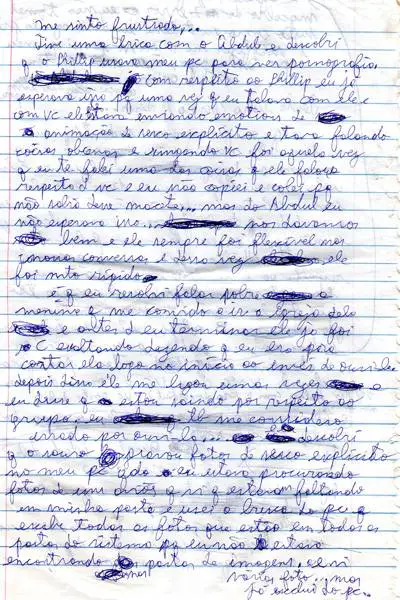
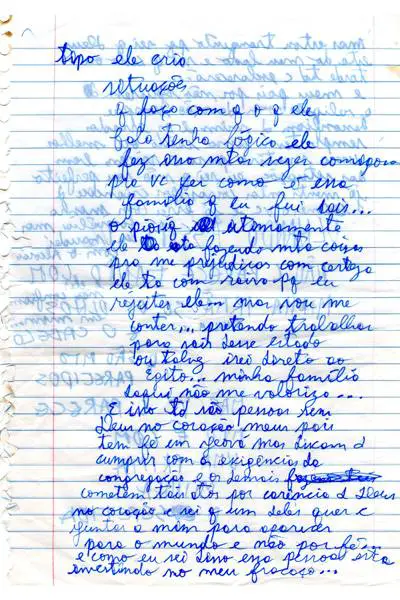
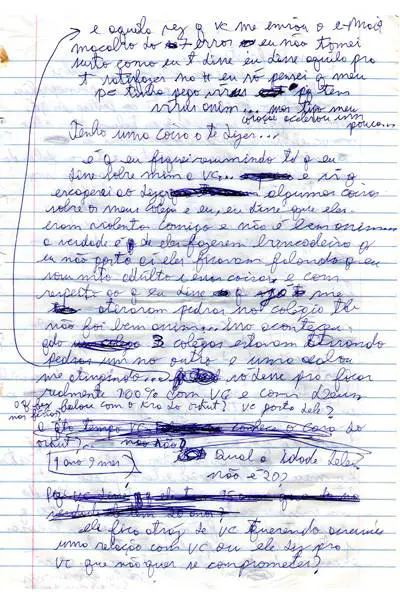
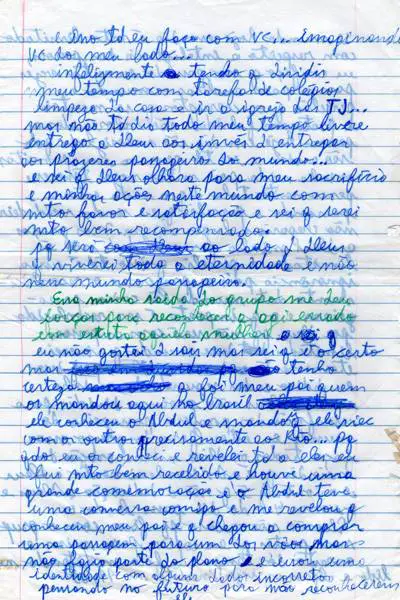
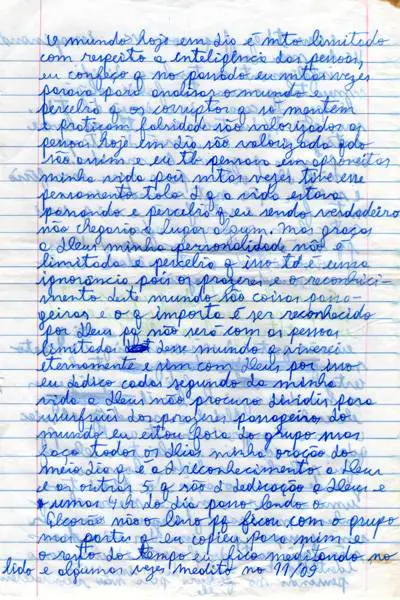
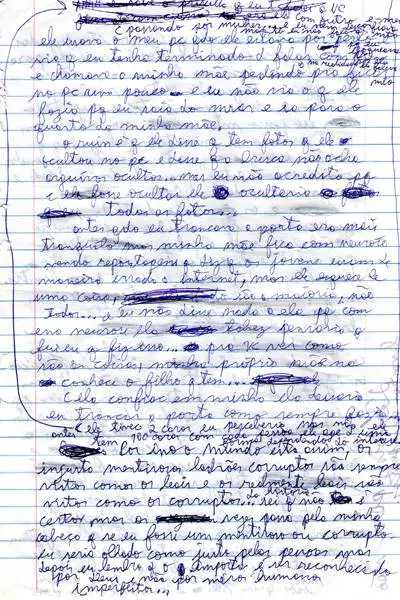
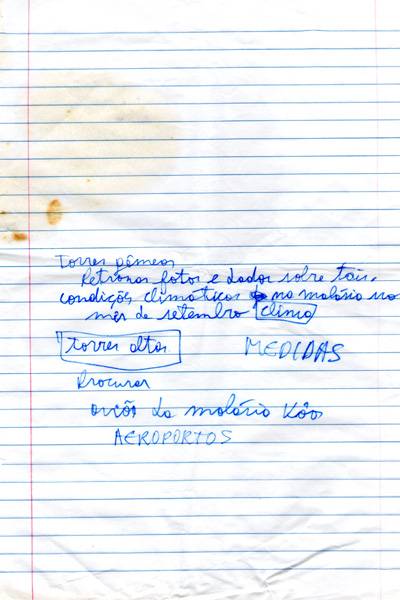
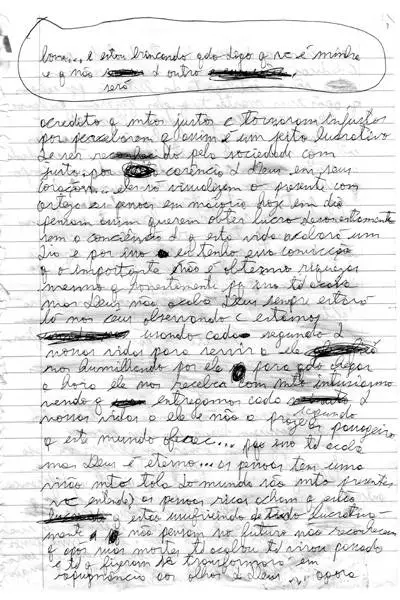
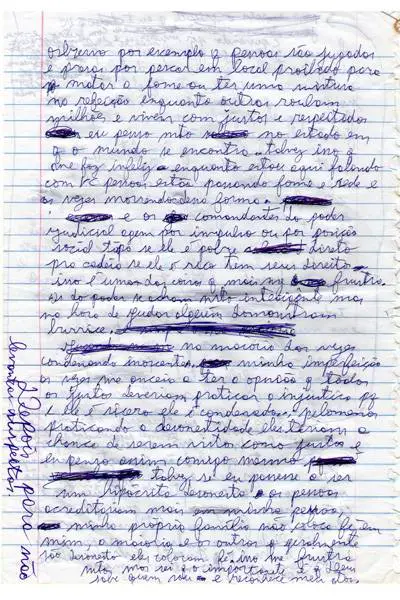
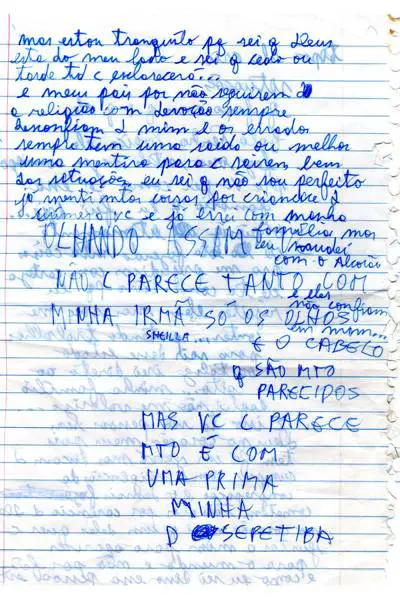
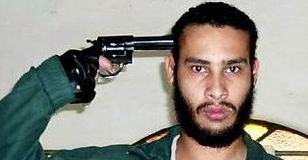
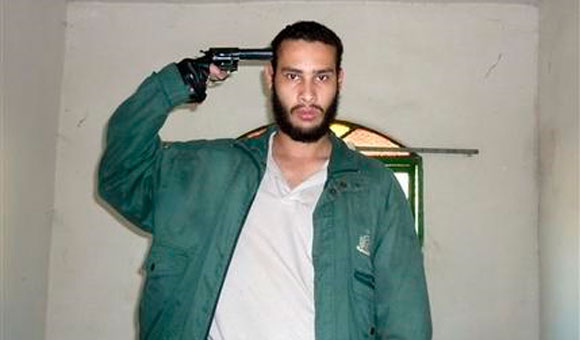
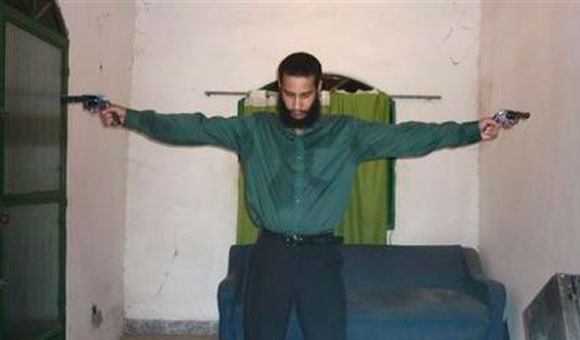
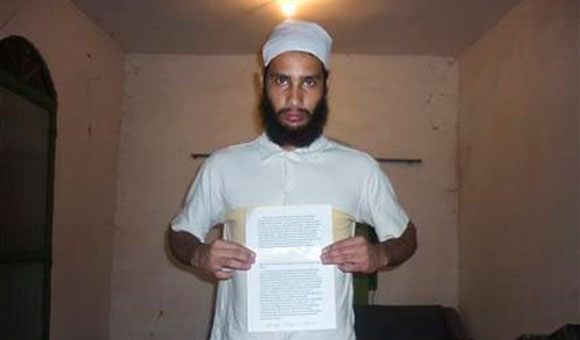
| Posthumous Manifesto | Handwritten letters and videos articulating ritualistic purity obsessions, extreme misogyny, and deep-seated peer bullying vengeance |
| Primary Criminal Motive | Severe paranoid personality disorder, violent retaliatory misogyny, adolescent bullying trauma, and suicidal martyr fixation |
1. Criminological Trajectory and Sociopathic Genesis
Wellington Menezes de Oliveira perpetrated the deadliest mass school shooting in Brazilian history. Adopted into a low-income family following abandonment by his biological mother (who suffered from chronic schizophrenia), Wellington grew up in Realengo as an acutely introverted, socially detached child.
Throughout his attendance at the Escola Municipal Tasso da Silveira, Wellington suffered intense, protracted bullying: classmates ridiculed his gait and speech impediments, locking him inside trash bins and nicknaming him Sherman. Following his adoptive mother's death in 2010, he retreated into complete isolation inside a dilapidated house in Sepetiba, descending into online extremist forums and formulating a distorted syncretic ideology combining Islamic martyrdom rhetoric, extreme misogyny, and vengeance against societal "fornicators and abusers."
2. Tactical Preparation and Digital Manifestos
In the months preceding the massacre, Oliveira acquired two handguns on the illegal arms market and underwent intensive tactical reload training:
- He acquired mechanical speedloaders allowing rapid reloading of revolver cylinders within seconds.
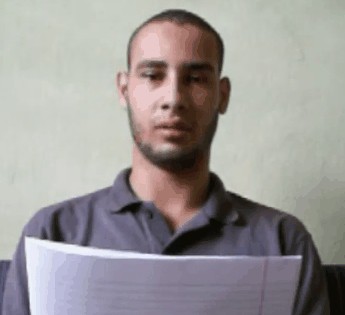
- He shaved his head and beard, recording video statements and drafting an obsessive funeral testament: demanding his corpse be handled only by virgins and barring anyone "impure" from touching his remains.
- In written manifestos, he rationalized his assault as retribution against the "cruel, impure individuals" who had humiliated him during his youth.
3. The Massacre at Tasso da Silveira (April 7, 2011)
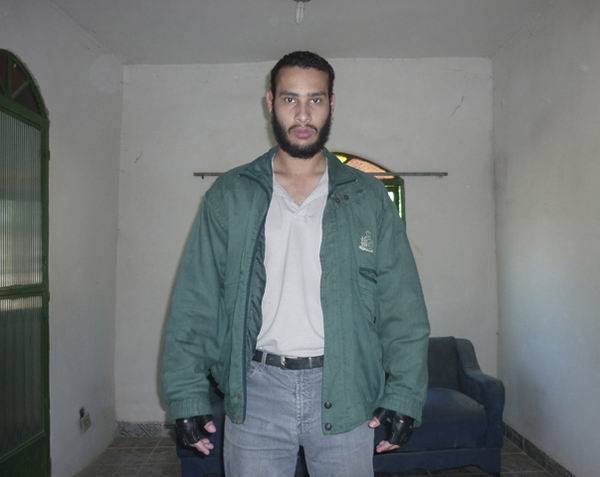
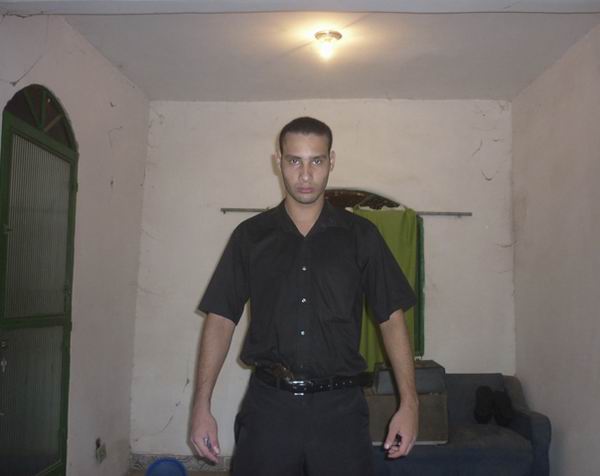
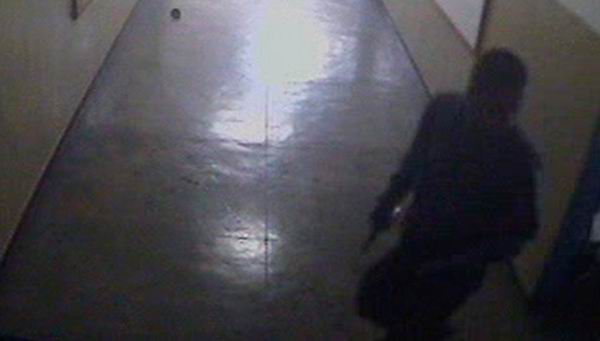
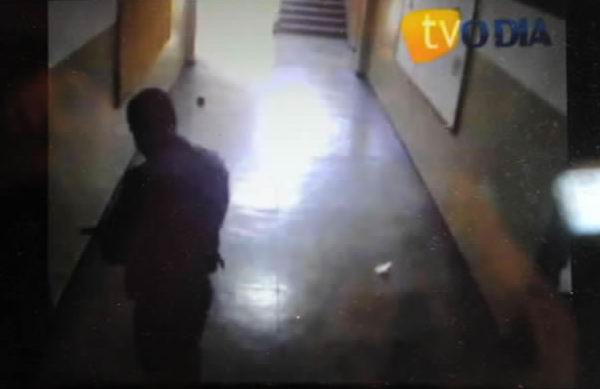
At 08:30 on April 7, 2011, dressed in black tactical attire and carrying a military backpack, Oliveira entered his alma mater:
- Deceptive Entry: Claiming to be an alumnus requesting school transcripts, he bypassed administrative staff without raising alarms.
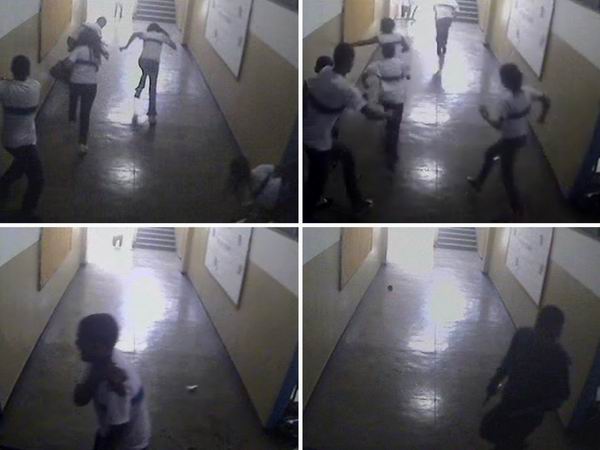
- Classroom Ambush: Ascending to the second floor, he entered an eighth-grade Portuguese language classroom. Without uttering a word, he drew both revolvers and unleashed point-blank gunfire upon the pupils seated at their desks.
- Gender-Targeted Lethality: Forensic examiners noted an alarming operational signature: while male students were struck in extremities, female students were systematically targeted with fatal point-blank shots to the cranium and chest, killing ten girls aged 12 to 14.
- Speedloader Reloading: Utilizing speedloaders with rehearsed speed, he discharged over 60 rounds within minutes as panicked children jumped from upper-story windows.
4. Police Intervention and Suicide
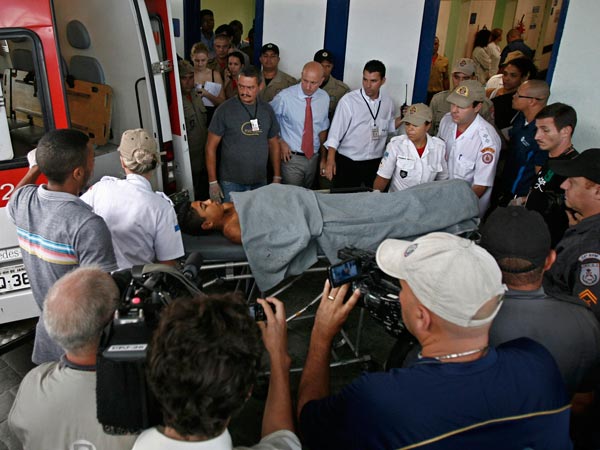
Fleeing wounded students alerted traffic patrol officers stationed two blocks away:
- Sergeant Márcio Alexandre Alves rushed into the gunfire-echoing hallways.
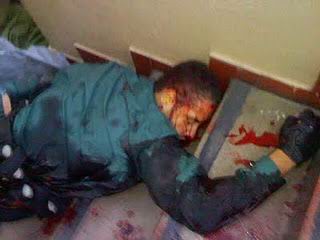
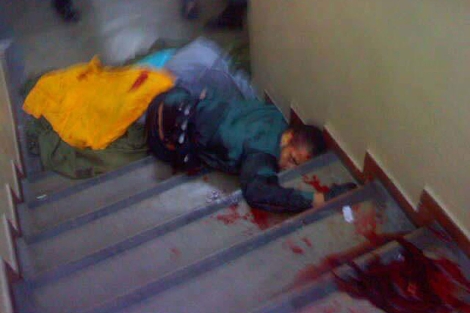
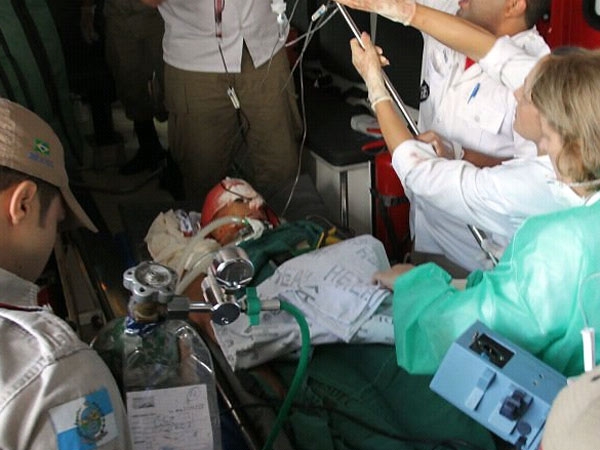
- Confronting Oliveira on the stairwell landing as the gunman moved toward another classroom, Sergeant Alves fired an accurate shot into the perpetrator's abdomen, collapsing him down the stairs.
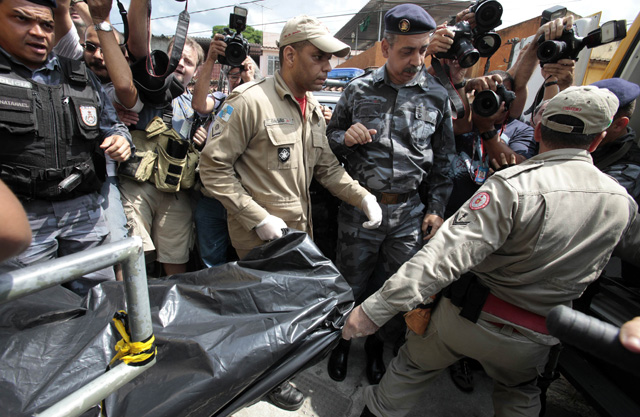
- Grounded and immobilized, Wellington placed his .38 revolver beneath his chin and fired, dying instantly.
5. National Grief and Anti-Bullying Legislation
The tragedy fundamentally impacted Brazilian public policy:
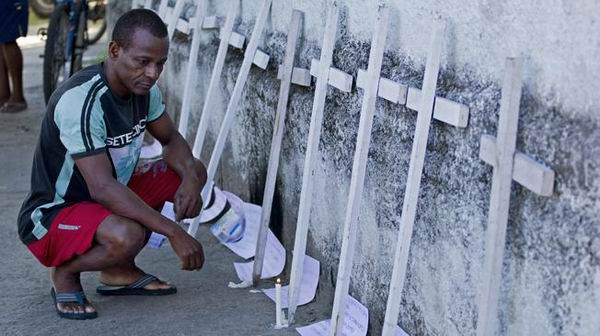
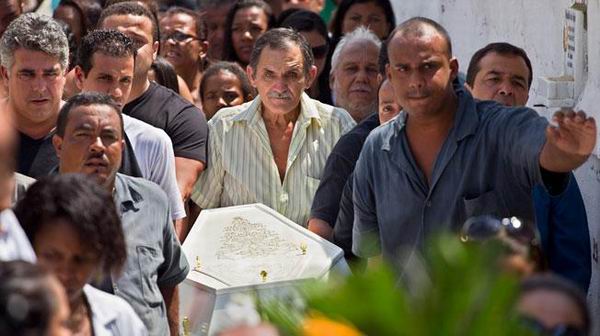
- President Dilma Rousseff decreed three days of national mourning, weeping publicly during an official televised address.
- Sergeant Márcio Alves was decorated as a national hero for interdicting the attack.
- The massacre prompted Brazil's National Congress to enact comprehensive anti-bullying legislation (Law No. 13,185), establishing mandatory anti-bullying education and clinical intervention frameworks across schools nationwide.