Forensic & Criminological Matrix
| Parameter | Forensic Detail |
|---|---|
| Forensic Heading / Aliases | None |
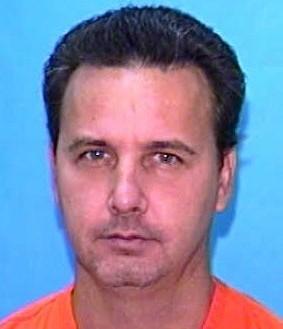
| Legal Identity | Richard Steven Zeitvogel |
| Confirmed Victims | 2 |
| Attributed / Indicted Victims | 2 |
| Active Timeline | 1981 - 1984 |
| Jurisdiction / Area of Operations | Missouri, USA |
| Criminological Classification | Prison Murderer |
| Forensic Modus Operandi | Strangulation and stabbing |
| Weapon / Mechanism of Death | Double-strand wire, homemade shiv |
| Motive / Behavioral Dynamics | Revenge, desire to reach death row |
| Judicial Outcome | Executed by lethal injection |
1. Background and Profile
Richard Steven Zeitvogel was born on May 11, 1956. His criminal history began at age 18 with convictions for armed robbery and rape in Pulaski County, Missouri. Throughout his incarceration, he exhibited severe antisocial behavior. Defense attorneys later claimed he suffered from organic brain damage and epilepsy, though these claims were consistently rejected by the courts during post-conviction proceedings.
2. Crime Spree
Zeitvogel's first capital murder conviction stemmed from the 1981 stabbing of a fellow inmate at the Missouri State Penitentiary, committed alongside Frank J. Guinan. On March 25, 1984, while in a maximum-security cell, he strangled his new cellmate, Gary Wayne Dew, with a plastic-covered wire. Zeitvogel admitted to the killing, stating his motive was to secure a death sentence to join Guinan on death row.
3. Investigation and Arrest
Following the murder of Gary Dew, Zeitvogel alerted prison staff. Investigators recovered the murder weapon from a book in his cell. Forensic analysis of the wire matched the ligature marks on the victim's neck. Despite Zeitvogel's claims of self-defense, evidence indicated the victim was attacked from behind and left for three hours before help was summoned.
4. Legal Proceedings and Outcome
Zeitvogel was sentenced to life imprisonment for the 1981 murder. For the 1984 murder of Gary Dew, he was sentenced to death in 1985. His numerous appeals, including claims of ineffective assistance of counsel and Brady violations regarding withheld medical records, were denied by the Eighth Circuit Court of Appeals.
5. Psychiatric Evaluation and Execution
Courts found that Zeitvogel's alleged mental deficiencies did not mitigate his criminal responsibility. After exhausting all legal avenues, Richard Zeitvogel was executed by lethal injection at the Potosi Correctional Center on December 11, 1996.