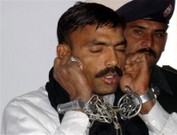
Forensic & Criminological Matrix
| Parameter | Forensic Detail |
|---|---|
| Forensic Heading / Aliases | N/A |
| Legal Identity | Mohammed Yaqub |
| Confirmed Victims | 10 |
| Attributed / Indicted Victims | 10 |
| Active Timeline | June 29, 1997 |
| Jurisdiction / Area of Operations | Muzaffarabad, Kashmir, Pakistan |
| Criminological Classification | Mass murderer |
| Forensic Modus Operandi | Indiscriminate shooting with automatic weapon |
| Weapon / Mechanism of Death | Automatic firearm |
| Motive / Behavioral Dynamics | Acute family conflict |
| Judicial Outcome | Imprisoned |
1. Background and Profile
Mohammed Yaqub was a resident of the Kashmir region in Pakistan. There is no extensive public record regarding his psychiatric history prior to the 1997 incident, though his actions on the day of the crime indicate a severe inability to manage interpersonal conflict, leading to a disproportionate and lethal violent outburst.
2. Criminal Career and Modus Operandi
On June 29, 1997, Yaqub committed a mass shooting in Muzaffarabad. The catalyst was a minor domestic dispute: his nephew, Yaseem, defied Yaqub by cutting down a tree. Enraged by this act of defiance, Yaqub retrieved an automatic weapon and shot his nephew dead. He then proceeded to open fire on other family members and bystanders, killing a total of 10 people.
3. Investigation and Arrest
The police response was swift. Yaqub did not attempt to evade capture; instead, he surrendered to the police shortly after the shooting near Muzaffarabad, located approximately 60 miles northeast of Islamabad.
4. Legal Proceedings and Outcome
Following his surrender, Yaqub was processed through the local judicial system. He was convicted for the mass murder of the ten victims. Forensic records confirm that he remains imprisoned for his crimes.
5. Psychiatric Assessment and Conclusion
Yaqub's case is categorized as an act of extreme family-based violence. The impulsive nature of the attack, triggered by a domestic dispute, highlights a profile characterized by low frustration tolerance and a lethal response to perceived loss of authority within the family unit.