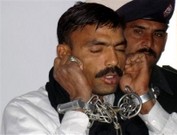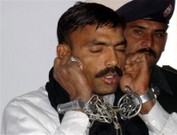



Forensic & Criminological Matrix
| Parameter | Forensic Detail |
|---|---|
| Forensic Heading / Aliases | Nazir Ahmad / The Burewala Family Patriarch |
| Legal Identity | Nazeer Ahmed |
| Confirmed Victims | 4 (Muqadas Bibi, Bano Bibi, Sumera, Humera) |
| Active Timeline | December 23–24, 2005 |
| Jurisdiction / Area of Operations | Chak 187 EB, Gago Mandi, Burewala, Punjab Province, Pakistan |
| Criminological Classification | Familicidal offender / Patriarchal honor-motivated mass murderer |
| Forensic Modus Operandi | Premeditated acquisition of lethal edged weapons, nocturnal surprise attack on defenseless sleeping victims, and psychological coercion of witnesses through explicit death threats |
| Weapon / Mechanism of Death | Machete and butcher knife / Mechanical asphyxiation and exsanguination via sharp force throat-slitting |
| Motive / Behavioral Dynamics | Extreme patriarchal rigidity, fear of female behavioral autonomy contagion, and perceived loss of male domestic dominance and family honor |
| Judicial Outcome | Immediate surrender and apprehension; criminal prosecution under Pakistani anti-honor killing and murder statutes |
1. Background and Psychopathy
Nazir Ahmad was a roughly 40-year-old laborer residing in the rural village of Gago Mandi, near Burewala in Pakistan's eastern Punjab province. Operating within a strictly traditional patriarchal framework where absolute dominance over female household members dictated social standing, Ahmad lived with his wife, Rehmat Bibi, their infant son, and his stepdaughter, Muqadas Bibi (born from his wife's previous marriage to Ahmad's deceased brother). His psychological profile revealed severe cognitive rigidity and a totalitarian interpretation of domestic authority, viewing any assertion of female independence as an intolerable breach of his social standing.
2. Crime Spree and Modus Operandi
The catalyst for the massacre occurred weeks prior when 25-year-old Muqadas entered into a consensual love marriage against her stepfather's explicit wishes. Although Ahmad feigned reconciliation and invited Muqadas back from her marital home, he covertly engineered a lethal retribution plot. Following Friday midday prayers on December 23, 2005, he purchased a butcher's knife and a machete, secreting them within the residence.
In the early hours of December 24, 2005, while the household slept, Ahmad executed his plan. He initiated the assault by pinning Muqadas and severing her throat with the machete. Awoken by the screams, his wife Rehmat Bibi watched in terror while cradling their three-month-old infant as Ahmad methodically slaughtered his three younger daughters: Bano, Sumera, and Humera. Between killings, he brandished the bloodstained blade at his paralyzed wife, warning her against raising an alarm under threat of execution. The victims' bodies remained in the room throughout the night under her coerced silence.
3. Investigation and Forensic Capture
Field investigation was short-circuited by the perpetrator's subsequent actions. Having secured control over the crime scene through terror, Ahmad walked to the local police station at dawn and surrendered voluntarily. Law enforcement officers seized the murder weapons and recovered the bodies. Testimonies from the sole eyewitness, Rehmat Bibi, established premeditation and absolute lack of provocation. Independent human rights reports contested Ahmad's post-facto claims of adultery, suggesting instead that Muqadas had fled prior marital abuse.
4. Legal Proceedings and Outcome
Following his self-incrimination, Ahmad was transferred under heavy guard to a prison in Multan. Throughout police transport and media interviews, he displayed chilling composure and zero remorse, boasting of his actions as honorable duties and expressing regret solely for failing to murder his stepdaughter's husband. The incident triggered profound national and international debate concerning the enforcement of anti-honor killing legislation in Pakistan and the persistence of systemic impunity regarding gender-based violence.
5. Psychiatric Evaluation and Verdict
Forensic evaluations confirmed that Ahmad suffered from no debilitating mental illness or psychosis that impaired his capacity to distinguish right from wrong; rather, his actions stemmed from deeply internalized patriarchal dogmas and narcissistic control pathologies. Legal proceedings advanced under Pakistani criminal law addressing aggravated homicide and domestic terror.