Forensic & Criminological Matrix
| Parameter | Forensic Detail |
|---|---|
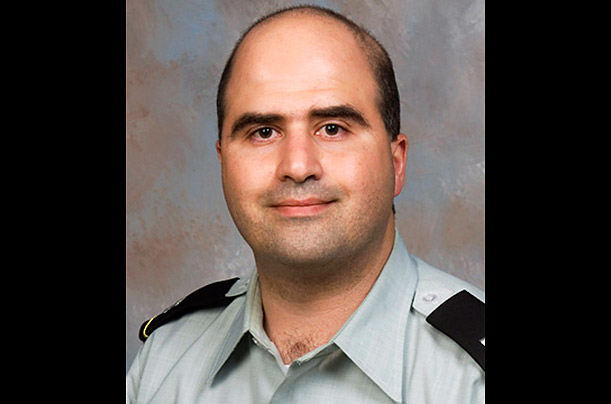
| Forensic Heading / Aliases | Nidal Hasan |
| Legal Identity | Nidal Malik Hasan |
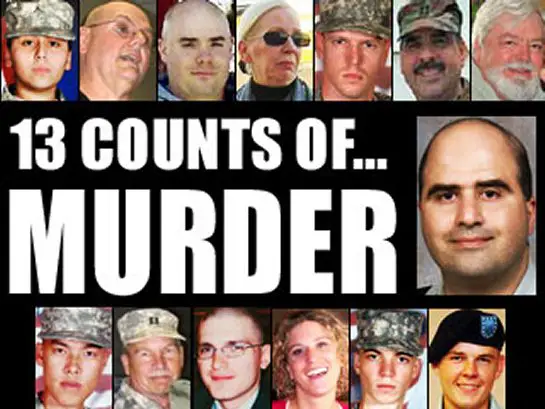
| Confirmed Victims | 13 |
| Attributed / Indicted Victims | 13 |
| Active Timeline | November 5, 2009 |
| Jurisdiction / Area of Operations | Fort Hood, Texas, USA |
| Criminological Classification | Mass Murderer |
| Forensic Modus Operandi | Active shooter in a military environment |
| Weapon / Mechanism of Death | FN Five-seven pistol and Smith & Wesson revolver |
| Motive / Behavioral Dynamics | Ideological radicalization |
| Judicial Outcome | Sentenced to death (on death row) |
1. Background and Profile
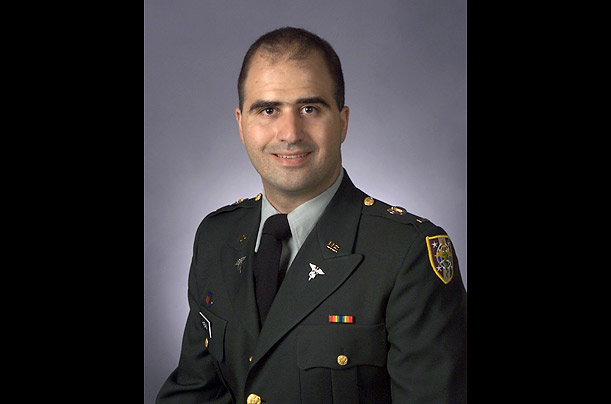
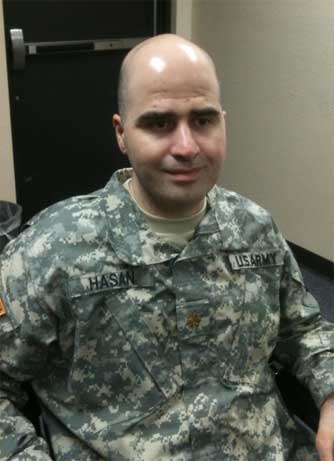
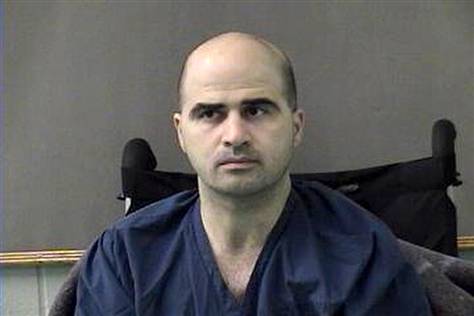
Nidal Malik Hasan was born on September 8, 1970, in Arlington, Virginia. A psychiatrist by profession, he served as a Major in the U.S. Army. His background was marked by increasing ideological radicalization, which became a point of concern for his colleagues and superiors prior to the 2009 incident.
2. Criminal Career and Modus Operandi
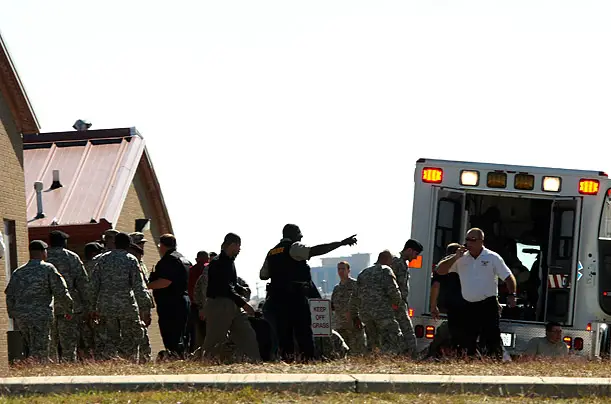
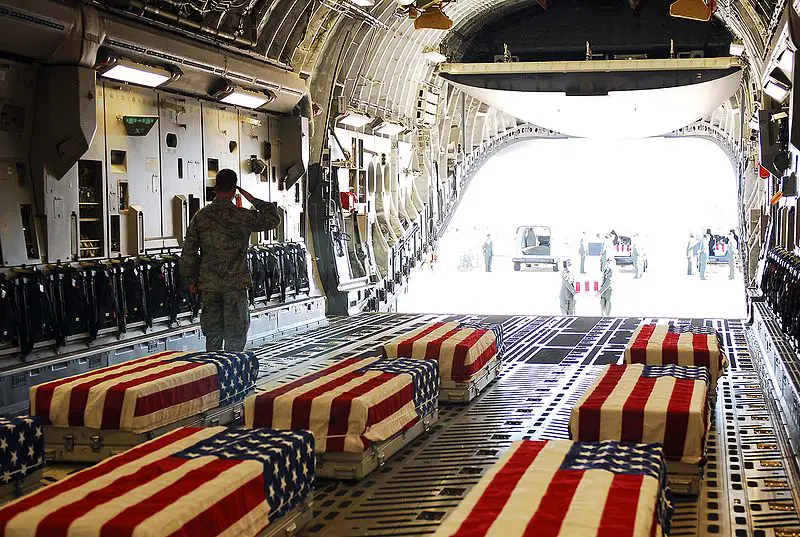
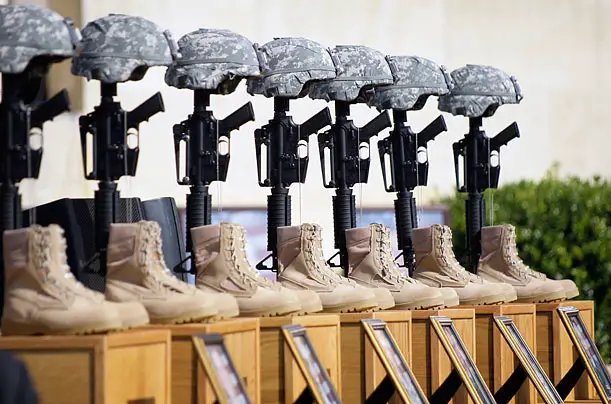
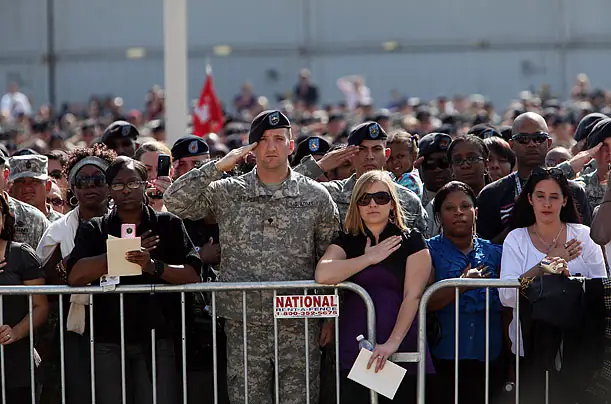
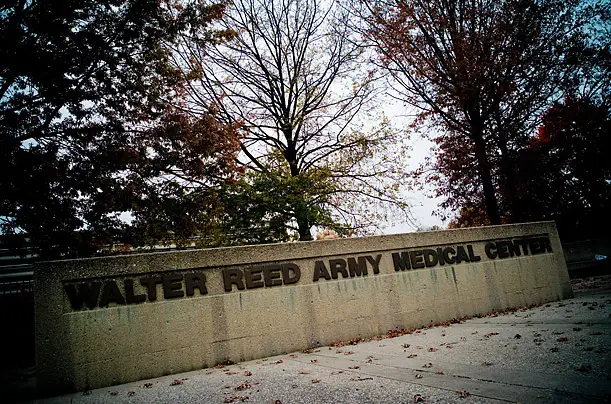
On November 5, 2009, Hasan entered the Soldier Readiness Processing Center at Fort Hood. He utilized a semi-automatic FN Five-seven pistol to target unarmed military personnel. The attack was swift and lethal, claiming 13 lives and wounding 32 others before he was subdued.
3. Investigation and Arrest
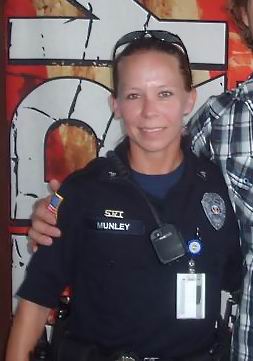
Law enforcement and military police responded to the scene within minutes. Sergeant Kimberly Munley engaged Hasan, wounding him and effectively ending the massacre. The investigation confirmed that Hasan acted alone, driven by extremist motives.
4. Legal Proceedings and Outcome
In 2013, a military jury found Hasan guilty of 13 counts of premeditated murder and 32 counts of attempted murder. He was sentenced to death. He remains incarcerated at the U.S. Disciplinary Barracks at Fort Leavenworth, awaiting execution.
5. Forensic Conclusion
The case of Nidal Hasan remains a significant study in the failure of institutional oversight regarding radicalization. His own statements during the trial confirmed his intent and lack of remorse, framing his actions within a distorted ideological context.