



Forensic & Criminological Matrix
| Parameter | Forensic Detail |
|---|---|
| Full Legal Name | Catherine Wilson |
| Legal Identity | Catherine Wilson |
| Historical Moniker | The Newgate Poisoner / The Last Woman Publicly Hanged in London for Common Murder |
| Date of Birth | c. 1822 |
| Place of Birth | Lincolnshire, England, United Kingdom |
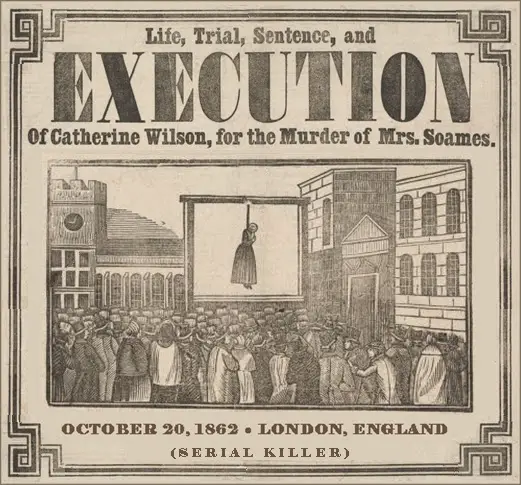
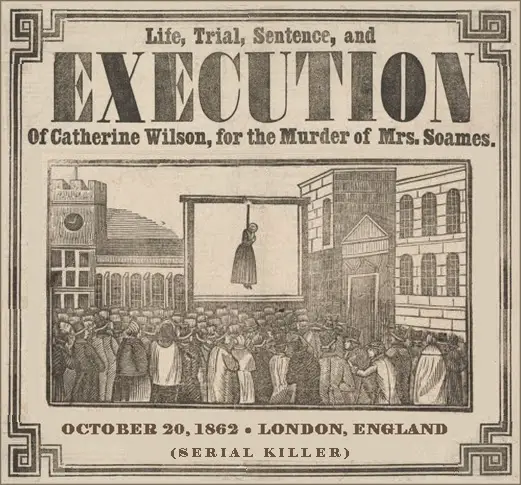
| Date of Execution | October 20, 1862 (aged approx. 40) |
| Place of Execution | Newgate Prison, London, England |
| Legal Cause of Death | Judicial execution by public hanging |
| Procedural Status | Executed following conviction at the Old Bailey |
| Proven Victims | 1 (Maria Soames; formal conviction) |
| Suspected Victims | 7 individuals (including Peter Taylor, Ann Atkinson, and Mrs. Jackson) |
| Criminological Classification | Utilitarian serial poisoner / Healthcare and domestic caregiver (Angel of Death) |
| Primary Toxic Agent | Colchicum (Colchicum autumnale) and corrosive chemicals |
| Criminogenic Motive | Calculated financial embezzlement (fraudulent inheritance, theft of notes and cash) |
Criminological Profile & Background
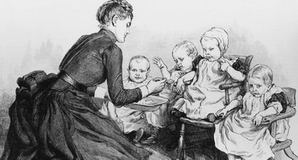
Catherine Wilson operated as a live-in private nurse, domestic companion, and trusted caregiver across affluent households in Lincolnshire, Cumbria, and greater London during the mid-Victorian era. Presenting an outward appearance of piety, attentive gentility, and selfless bedside dedication, she systematically gained absolute confidence from wealthy elderly patrons and convalescents.
Once entrenched in domestic arrangements, Wilson coaxed her charges into modifying wills in her favor, signing over power of attorney, or entrusting promissory notes and currency to her custody. Upon securing control of their financial instruments, the patrons invariably suffered catastrophic gastrointestinal attacks marked by severe vomiting, abdominal spasms, and collapse, which contemporary medical practitioners routinely misattributed to acute cholera or gastric ulceration.
Between 1853 and 1862, a succession of suspicious demises traced her path of employment: her paramour Peter Taylor, Mrs. Jackson in Boston, Ann Atkinson in Kirkby Lonsdale, and Maria Soames in London all died in agonizing pain while Wilson served as their sole nurse.
The Maria Soames Homicide and Forensic Toxicology
The pivotal case occurred in October 1859 in Bedford Square, London. Wilson, who had been nursing Maria Soames, administered a drink shortly before the patron collapsed into fatal convulsions. Immediately following Soames's death, substantial cash sums and promissory notes vanished from the premises.
In 1862, an alert patron, Sarah Carnell, noticed that medicine administered by Wilson burned holes into the bedclothes and rug. Her formal police report initiated an extensive investigation by Scotland Yard. Detectives exhumed Maria Soames's remains and submitted biological tissues to Dr. Alfred Swaine Taylor, the preeminent founder of British forensic toxicology.
Taylor's forensic assays detected toxic plant alkaloids consistent with colchicum—an insidious toxin derived from autumn crocus that mimicked acute gastroenteritis and leaves no characteristic internal odors, establishing conclusive scientific evidence of systemic poisoning.
Old Bailey Trial and Newgate Execution
In September 1862, Wilson stood trial before the Central Criminal Court (Old Bailey), presided over by Justice Sir James Byles. In his judicial summation, Byles characterized Wilson as "the greatest criminal that ever stood before a human tribunal," condemning the predatory calculated manner in which she dispensed lethal dosages while playing the role of comforting nurse.
The jury returned a unanimous verdict of guilty of willful murder. On October 20, 1862, Catherine Wilson was hanged before an estimated crowd of twenty thousand onlookers outside London's Newgate Prison, remaining the last woman publicly executed in London for crimes other than infant manslaughter prior to the enactment of the Capital Punishment Amendment Act.