Forensic & Criminological Matrix
| Parameter | Forensic Detail |
|---|---|
| Forensic Heading / Aliases | The Killer of the Thickets, Mad Dog |
| Legal Identity | William Wladimir Cumbajín Bautista |
| Confirmed Victims | 9 |
| Attributed / Indicted Victims | 9 |
| Active Timeline | 2002 - 2003 |
| Jurisdiction / Area of Operations | Quito, Ecuador |
| Criminological Classification | Serial Killer (Sadistic) |
| Forensic Modus Operandi | Luring, binding, rape, torture, and strangulation |
| Weapon / Mechanism of Death | Manual or ligature strangulation, post-mortem mutilation |
| Motive / Behavioral Dynamics | Antisocial Personality Disorder, sexual sadism |
| Judicial Outcome | Sentenced to 25 years in prison in May 2004 |
1. Background and Profile
Born in 1971 in Quito, William Cumbajín Bautista grew up in a dysfunctional and impoverished household. His childhood was defined by physical abuse and neglect, leading to a life on the streets. Before his serial killing spree, he had a criminal record consisting of four arrests for armed robbery, indicating a long-standing pattern of antisocial behavior.
2. Crime Spree and Modus Operandi
Cumbajín targeted vulnerable women, primarily homeless individuals, in the center and south of Quito. He used deception to lure them to isolated areas, where he would bind them to thickets, rape them, and subject them to horrific torture, including genital mutilation. His crimes were characterized by extreme sadism and a lack of attempt to conceal the bodies, which were often left in public view.
3. Investigation and Arrest
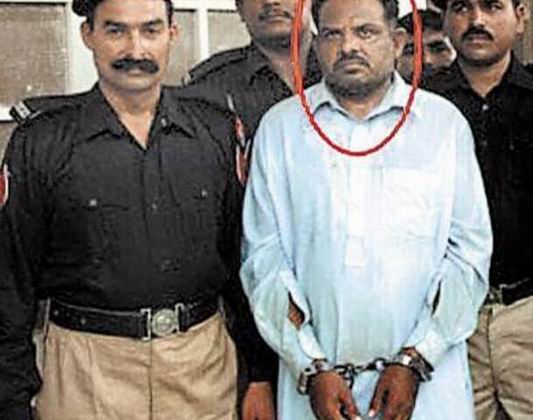
Following a series of nine murders, the Quito Police Homicide Unit launched an undercover operation, with officers posing as homeless people to monitor the streets. This led to the identification and arrest of Cumbajín in August 2003. He subsequently confessed to the crimes and assisted investigators in reconstructing the events at the crime scenes.
4. Legal Proceedings and Outcome
In May 2004, the Third Criminal Court of Pichincha sentenced Cumbajín to 25 years in prison. Psychiatric evaluations described him as an individual with an antisocial personality disorder, lacking empathy and remorse, and driven by a pathological need for power and control over his victims.