



Forensic & Criminological Matrix
| Parameter | Forensic Detail |
|---|---|
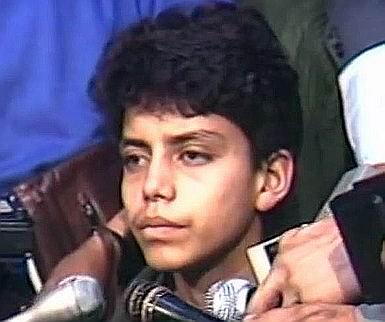
| Identity | Juan Fernando Hermosa Suárez |
| Known Aliases | "El Niño del Terror" (The Child of Terror) |
| Criminal Classification | Juvenile serial killer, gang leader, and thrill robber |
| Date of Birth | February 28, 1976 (Bucay, Guayas, Ecuador) |
| Date of Death | February 28, 1996 (Aged 20, Sacha, Sucumbíos, Ecuador; extrajudicial targeted execution) |
| Criminal Indictment | Convicted of 22 counts of aggravated first-degree murder with firearms and armed vehicular robbery |
| Fatalities | 22 confirmed victims (primarily urban taxi drivers and gay men across Quito) |
| Crime Scenes | Central districts, La Mariscal nightlife quarter, and peripheral highways of Quito, Pichincha, Ecuador |
| Active Period | November 1991 – January 1992 (active at age 15 to 16) |
| Weapons Used | 9mm semi-automatic pistol and .38 Special revolvers. |
| Motive | Armed street robbery, targeted violent homophobia, and impulsive juvenile sadism. |
| Legal Status | Sentenced to the maximum juvenile penalty (4 years youth detention). Released in January 1996. Murdered by unknown assassins on his 20th birthday in February 1996. |
Forensic Synopsis and Historical Context
The criminal case of Juan Fernando Hermosa Suárez stands as the deadliest and most shocking serial juvenile murder investigation in the history of the Republic of Ecuador. Between November 1991 and January 1992, at only fifteen years of age, Hermosa commanded a gang of ten armed adolescents known as "La Pandilla del Terror" (The Terror Gang), orchestrating the execution-style murder of twenty-two people across the capital city of Quito.
The investigation exposed critical statutory limits within Ecuador’s juvenile legal code: despite confessing to twenty-two intentional homicides and initiating a gun battle during his arrest that resulted in the deaths of two tactical police commandos and his adoptive mother, statutory law prohibited adult prosecution. Hermosa received the maximum juvenile sentence of only four years in a youth facility, an outcome that fueled massive civil outcry that concluded with his summary execution in the Amazonian jungle weeks after release.
Gang Organization and Predatory Modus Operandi
Adopted into a working-class household in Quito's El Playón neighborhood, Hermosa formed an armed street syndicate composed of adolescent outcasts:
- Target Selection: Hermosa focused on two specific vulnerable demographics: municipal taxi drivers carrying daily cash receipts and gay men frequenting nightlife venues in the upscale La Mariscal district.
- The Execution Mechanism: Hailing taxis late at night, the gang directed drivers to deserted rural bypasses such as Guápulo or Tumbaco. Sitting directly behind the driver's headrest, Hermosa drew a concealed 9mm handgun and fired a point-blank round into the back of the driver's neck without warning, dumping the body into roadside ravines and using the stolen car for further robberies.
- The La Mariscal Killings: Posing as a companion to patrons in gay nightclubs, Hermosa secured access to their private apartments, executing them with contact shots to the temple before ransacking the residences for electronics and cash.
Mass City Paralyzation and Tactical Raid (January 1992)
Over ten weeks in late 1991, Hermosa’s killing wave triggered unprecedented alarm:
- The Taxi Strike: Fourteen murdered taxi operators sparked citywide transport strikes demanding military street patrols and curfews.
- Ballistic Profiling: The elite Intervention and Rescue Group (GIR) and judicial police traced the ballistics of recovered 9mm slugs across multiple crime scenes.
- The January 9, 1992 Siege: Tactical commandos breached Hermosa's home in La Marín. Hermosa opened rapid fire from his bed. In the ensuing shootout, two tactical officers were killed alongside Hermosa’s adoptive mother, Zoila Suárez, caught in crossfire before Hermosa was overpowered.
Juvenile Trial, Colombian Flight, and Execution
Because Hermosa was 15 years and 11 months old, juvenile statutes applied:
- Four-Year Sentence: The Juvenile Court imposed the maximum statutory sentence of four years detention at the Virgilio Guerrero youth home. In 1993, he staged an armed escape, shooting a prison guard dead and fleeing to Bogotá, Colombia, where Colombian police recaptured him.
- Release and Demise: On January 28, 1996, upon reaching age twenty, Hermosa was released from custody. Facing death threats from taxi unions and vigilantes, he fled to the Amazonian frontier town of Sacha. On February 28, 1996—his 20th birthday—his body was recovered from the Aguarico River, bound with barbed wire and shot five times through the skull in a contract execution.