




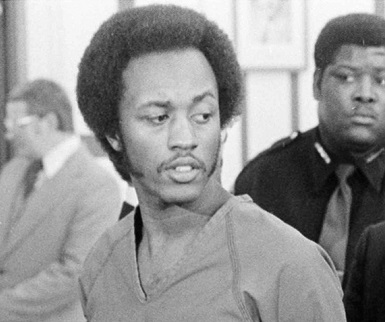
Forensic & Criminological Matrix
| Parameter | Forensic Detail |
|---|---|
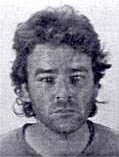
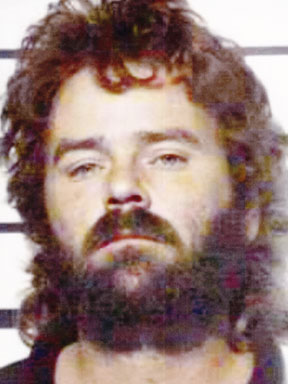
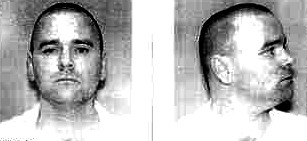
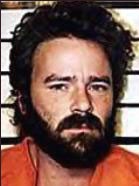
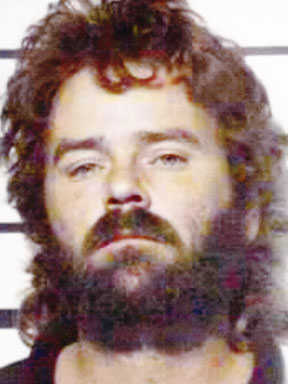
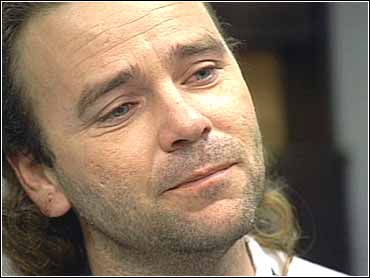
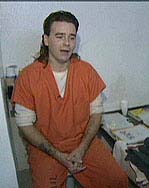
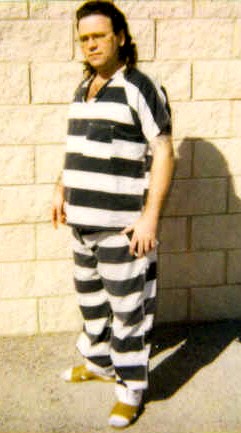
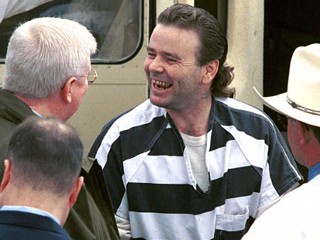
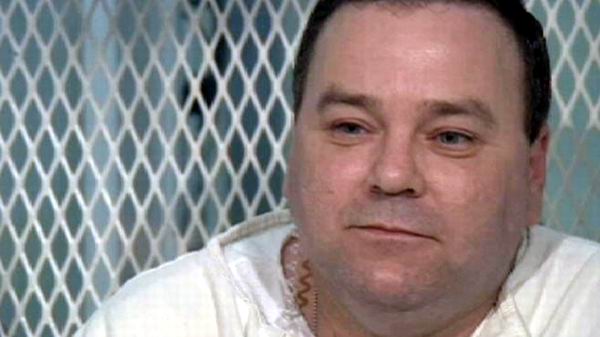
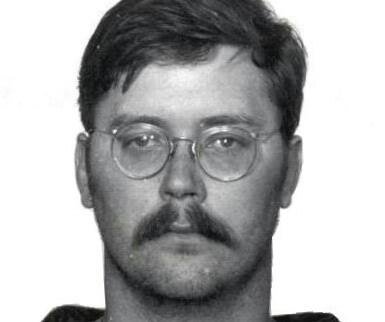
| Full Legal Name | Tommy Lynn Sells |
| Criminological Monikers | The Coast to Coast Killer, The Railroad Slasher |
| Nationality | American |
| Date of Birth | June 28, 1964, Statesville, North Carolina, United States |
| Date of Execution | April 3, 2014 (aged 49), Huntsville Unit, Texas, United States |
| Execution Method | Lethal injection (single-dose pentobarbital) |
| Active Offending Period | 1980 – 1999 (spanning two decades of transient serial predation) |
| Geographic Footprint | Texas, Missouri, Illinois, Kentucky, Tennessee, Nevada, Wyoming, West Virginia |
| Confirmed Homicides | 22 forensically confirmed (confessed to over 70 homicides nationwide) |
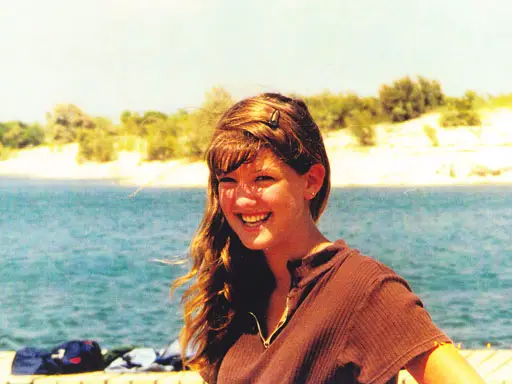
| Pivotal Offense | Murder of Kaylene Harris (13) and attempted murder of Krystal Surles (10) |
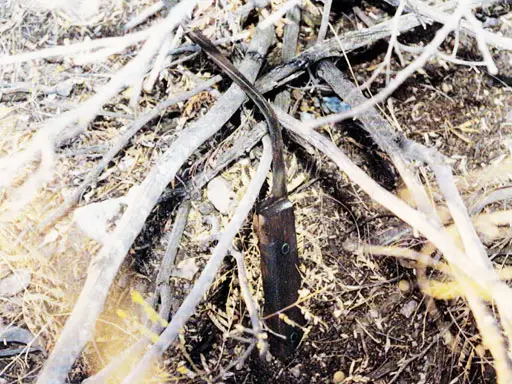
| Preferred Weaponry | Kitchen knives acquired inside victim residences, straight razors, picks, manual strangulation |
| Criminological Classification | Itinerant disorganized serial killer, predatory psychopath targeting vulnerable families and juveniles |
Childhood Trauma and Transcontinental Vagrancy
Tommy Lynn Sells was born in North Carolina alongside a twin sister. At eighteen months of age, he contracted a life-threatening bout of measles that left persistent neurological developmental anomalies. His formative years were steeped in severe abuse: abandoned by his mother, he was placed under the guardianship of an abusive local acquaintance who subjected him to pervasive sexual assault.
At age fourteen, Sells absconded from home, initiating a transient lifestyle hopping freight trains across the continental United States. He worked intermittently as a traveling carnival laborer, sheep shearer, and day laborer. For nearly twenty years, his continuous mobility along railroad corridors provided effective criminological camouflage, allowing him to evade multi-jurisdictional law enforcement scrutiny while battling chronic addiction to methamphetamine and alcohol.
Modus Operandi of the Transient Killer
Sells's predatory strategy relied on radical opportunism. He arrived in rural or exurban communities via freight trains or hitchhiking, prowling residential trailer parks and suburban subdivisions during pre-dawn hours for unlocked rear doors or open windows.
Crucially, Sells rarely carried personal weapons. He infiltrated kitchens, selected the heaviest chef knives available, and proceeded to bedroom areas. Sells annihilated entire sleeping families with explosive violence, severing carotid arteries and bludgeoning victims. He exhibited a compulsive propensity to sexually assault and murder young girls and teenage females. Following the assaults, he boarded early morning freight trains, leaving forensic investigators with disconnected crime scenes lacking local motives or usable fingerprint matches.
Forensic investigations subsequently linked Sells to notorious cold cases, including the 1987 Dardeen family slayings in Ina, Illinois, the 1992 homicide of 13-year-old Stephanie Mahaney in Missouri, and the 1999 abduction and slaying of 9-year-old Mary Perez in San Antonio, Texas.
The Del Rio Attack and Krystal Surles's Heroism
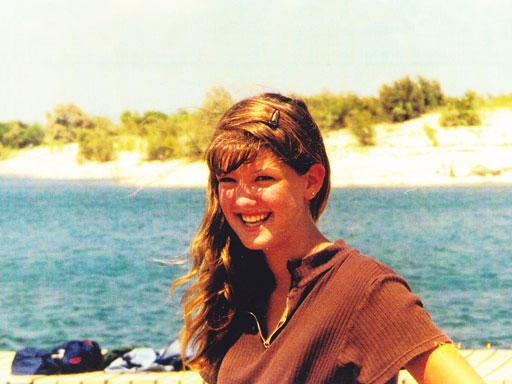
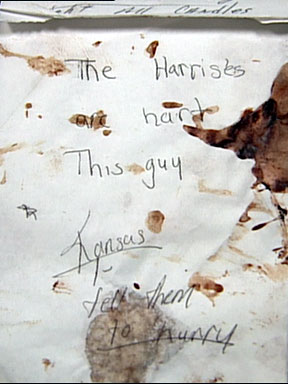
On December 31, 1999, Sells broke into the Harris family trailer home in Del Rio, Texas. Thirteen-year-old Kaylene Harris and her ten-year-old friend Krystal Surles were asleep inside the bedroom on New Year's Eve.
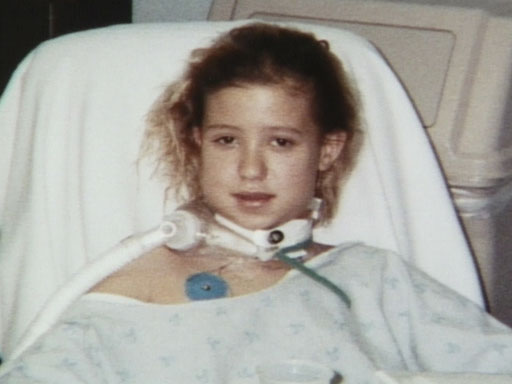
Sells slashed Kaylene's throat with a kitchen knife, inflicting a catastrophic 16-centimeter laceration that severed her windpipe and jugular vein. He then turned upon young Krystal, slicing her throat from ear to ear, slicing through trachea tissue, and leaving her for dead before fleeing.
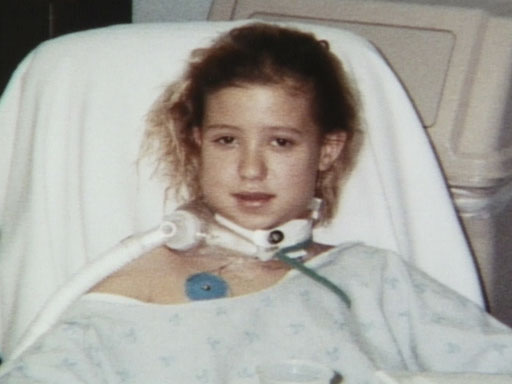
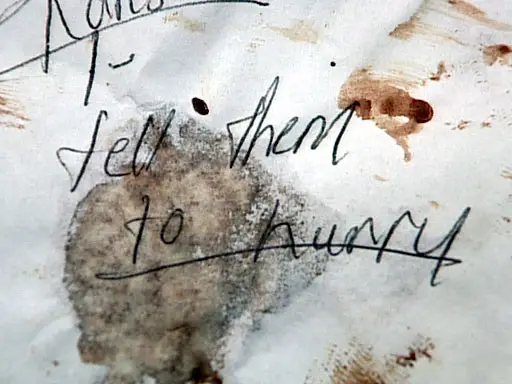
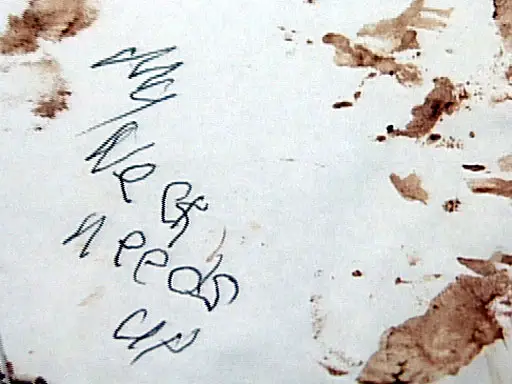
Displaying superhuman fortitude, ten-year-old Krystal remained conscious. Holding a blood-soaked towel firmly against her exposed neck to stems the hemorrhaging, she walked barefoot through the dark to a neighboring home for emergency assistance. Surgeons successfully repaired her lacerations, and Krystal worked closely with a Texas Ranger forensic composite artist to generate an exact sketch of Tommy Lynn Sells. Days later, a community member recognized Sells, resulting in his capture on January 2, 2000.
Interrogations, Confessions, and Execution
In the custody of the Texas Rangers and facing capital murder charges, Sells delivered chillingly casual confessions to dozens of unsolved homicides across America. He provided intimate, non-public details regarding crime-scene layouts, victim clothing, and weapon locations, enabling detectives in Illinois, Missouri, Kentucky, and Nevada to formally close more than twenty cold cases.
Sentenced to death in Val Verde County for the aggravated murder of Kaylene Harris, Sells was remanded to the Polunsky Unit death row in Livingston, Texas, for fourteen years.
On April 3, 2014, Tommy Lynn Sells was executed by lethal injection at the Huntsville Unit in Texas. Declining to deliver formal final words, he was pronounced dead at 6:27 PM, terminating the trajectory of one of the deadliest transient serial killers in American history.