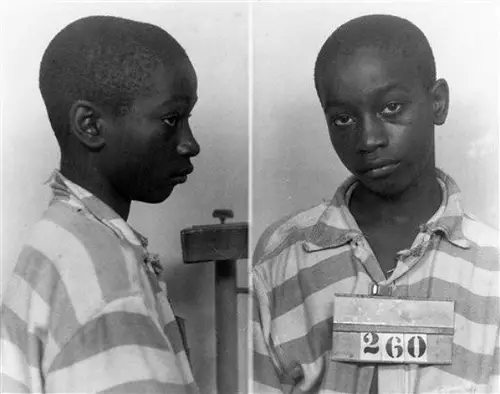




Forensic & Criminological Matrix
| Parameter | Forensic Detail |
|---|---|
| Forensic Heading / Aliases | N/A |
| Legal Identity | George Junius Stinney Jr. |
| Confirmed Victims | 2 |
| Attributed / Indicted Victims | 2 |
| Active Timeline | March 24, 1944 |
| Jurisdiction / Area of Operations | Alcolu, South Carolina |
| Criminological Classification | Juvenile offender (executed) |
| Forensic Modus Operandi | Blunt force trauma to the head |
| Weapon / Mechanism of Death | 15-inch railroad spike |
| Motive / Behavioral Dynamics | Coerced confession |
| Judicial Outcome | Death sentence; executed via electric chair |
1. Background and Profile
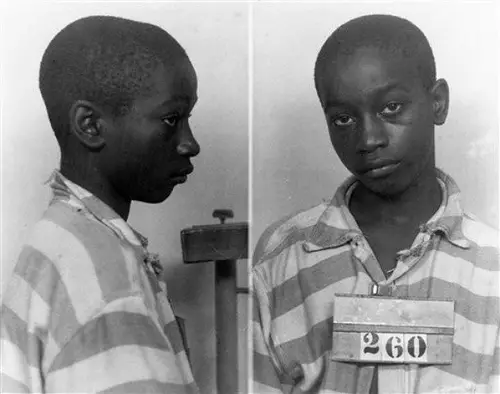
George Junius Stinney Jr. was born on October 21, 1929. He was an African American youth living in the small town of Alcolu, Clarendon County, South Carolina. His father was employed at the local Alderman Lumber Company. Stinney was physically slight, standing 5'1" and weighing approximately 90 lbs.
2. Crime Spree
On March 24, 1944, Betty June Binnicker (11) and Mary Emma Thames (8) went missing while riding bicycles to pick flowers. Their bodies were discovered the following morning in a water-filled ditch, both having suffered massive head trauma. A 15-inch railroad spike was recovered near the scene and identified as the murder weapon.
3. Investigation and Arrest
Stinney was arrested shortly after the discovery. He was interrogated by white officers in a locked room without legal counsel or parental presence. Within an hour, authorities claimed a confession. The lack of forensic evidence and the high racial tension of the era cast significant doubt on the validity of the interrogation process.
4. Legal Proceedings and Outcome
The trial took place on April 24, 1944, at the Clarendon County Courthouse. The proceedings lasted less than three hours. Court-appointed attorney Charles Plowden failed to cross-examine witnesses or present a substantive defense, citing only Stinney's age, which was insufficient under existing state law. An all-white jury returned a guilty verdict after ten minutes of deliberation.
5. Forensic Conclusion
George Stinney was executed on June 16, 1944, at the South Carolina State Penitentiary. At 14, he remains the youngest person legally executed in the United States in the 20th century. The execution was marred by technical difficulties due to his small stature. The case remains a landmark example of systemic failure and racial bias in the American judicial system.