Forensic & Criminological Matrix
| Parameter | Forensic Detail |
|---|---|
| Forensic Heading / Aliases | The Syracuse Serial Killer |
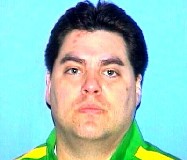
| Legal Identity | Nicholas Lee Wiley |
| Confirmed Victims | 3 |
| Attributed / Indicted Victims | 7 |
| Active Timeline | April - May 2004 |
| Jurisdiction / Area of Operations | Syracuse, New York, USA |
| Criminological Classification | Serial Killer / Level 3 Sex Offender |
| Forensic Modus Operandi | Stabbing and body concealment |
| Weapon / Mechanism of Death | Knife |
| Motive / Behavioral Dynamics | Sexual predator / Psychopathy |
| Judicial Outcome | Life imprisonment without parole |
1. Background and Profile
Nicholas Lee Wiley (born 1962) has a long criminal history dating back to 1979. As a Level 3 sex offender, he has been convicted multiple times for violent and sexual assaults, including a 1983 attack on a 67-year-old woman with a claw hammer and a 1991 sexual assault on a 16-year-old girl. His history of successful appeals allowed him to serve shorter sentences, facilitating his return to the community.
2. Crime Spree
In the spring of 2004, shortly after his release, Wiley murdered three women: Lottie Thompson, Hannah Finnerty, and Tammy Passineau. The crimes involved multiple stab wounds. The bodies were disposed of in dumpsters or left in apartments. Passineau's body was never recovered, and authorities believe it was destroyed at a trash-burning facility.
3. Investigation and Arrest
Police investigation began after Lottie Thompson's body was discovered in her apartment. Wiley, who worked as a handyman at the building, had alerted the manager to the odor. Further investigation led to the discovery of Hannah Finnerty's body in a dumpster. Wiley confessed during interrogation, though he later claimed psychological coercion.
4. Legal Proceedings and Outcome
Wiley was arrested on June 2, 2004. In October 2006, he was sentenced to life in prison without the possibility of parole. Judge Joseph Fahey's sentencing remarks highlighted the severity of his crimes. In 2009, an appellate court upheld the conviction, confirming the sufficiency of the evidence against him.