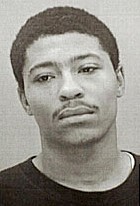




Forensic & Criminological Matrix
| Parameter | Forensic Detail |
|---|---|
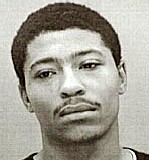
| Full Name | Darrell L. Brooks |
| Date of Birth | 1980 (Age 21 at time of crime) |
| Nationality | American |
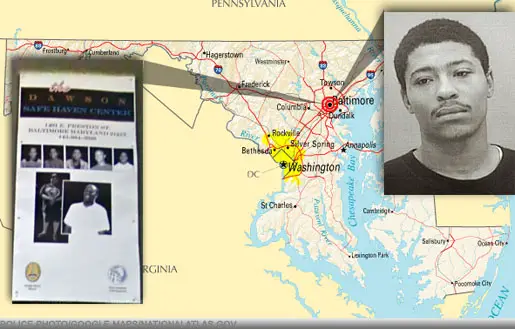
| Crime Location | Oliver, East Baltimore, Maryland, United States |
| Date of Crime | October 16, 2002 |
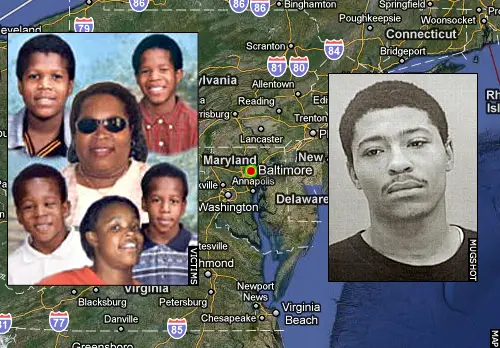
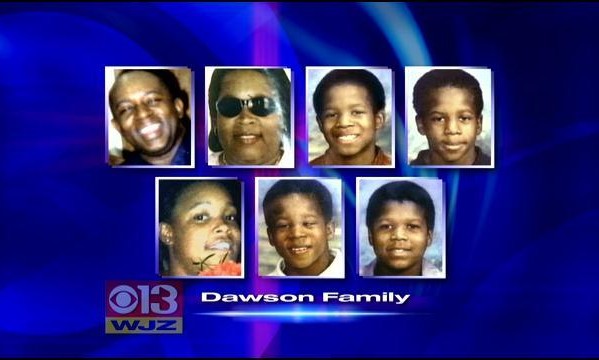
| Confirmed Fatalities | 7 (Carnell Dawson, 43; Angela Dawson, 36; LaWanda Ortiz, 14; Juan Ortiz, 12; Carnell Dawson Jr., 10; Keith Dawson, 9; Kevin Dawson, 9) |
| Weapon / Method | Arson with gasoline accelerant and Molotov cocktails |
| Criminological Motive | Witness intimidation and retaliation for reporting drug trafficking |
| Judicial Status | Incarcerated (Federal life imprisonment without parole) |
1. Background and Neighborhood Conflict
Darrell L. Brooks was a local drug dealer in the Oliver neighborhood of East Baltimore. In 2002, resident Angela Dawson and her husband Carnell took a resolute public stand against street-level drug dealing outside their residence at 1401 E. Preston Street, contacting police over 35 times. Local traffickers retaliated with vandalism and violent threats. On October 3, 2002, Brooks firebombed the house with two Molotov cocktails, which the family extinguished.
2. The Fatal Arson of October 16, 2002
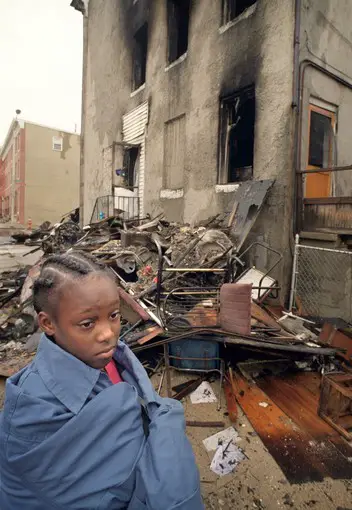
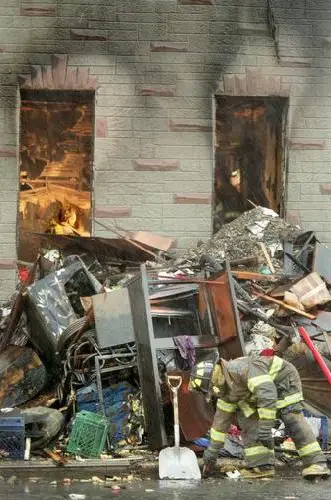
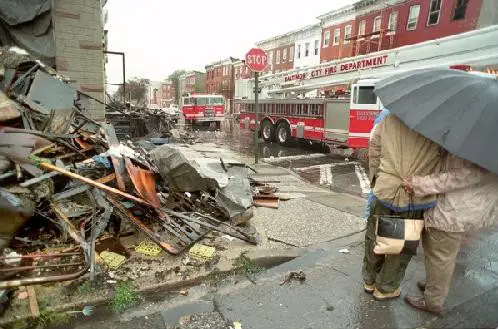
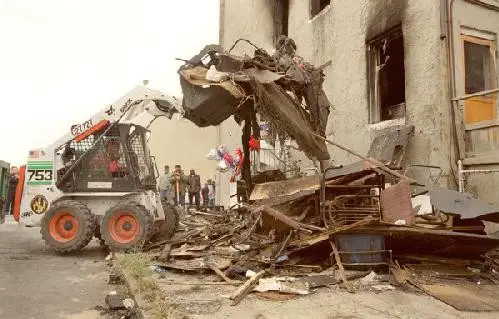
At roughly 2:20 a.m. on October 16, 2002, Brooks kicked open the front door of the Dawson rowhouse, poured gasoline across the ground floor hallway, and ignited the accelerant. The blaze rapidly engulfed the stairwells, trapping the family upstairs. Angela Dawson (36) and five children—LaWanda Ortiz (14), Juan Ortiz (12), Carnell Dawson Jr. (10), and 9-year-old twins Keith and Kevin Dawson—died inside from carbon monoxide inhalation and thermal burns. Carnell Dawson Sr. (43) leapt from a second-story window and died from catastrophic injuries a week later.
3. Investigation, Federal Conviction, and Legacy
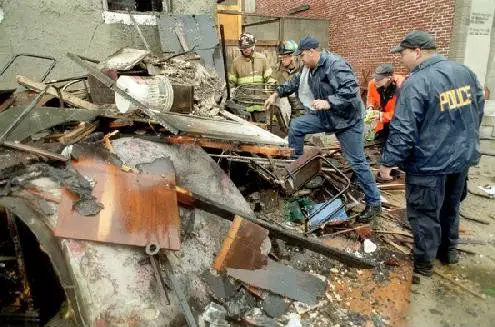
Hours after the blaze, investigators recovered gasoline equipment from Brooks' bedroom and secured witness testimonies detailing his admissions. On August 27, 2003, Brooks pleaded guilty in federal court to arson resulting in death, receiving a life sentence without the possibility of parole. The Dawson tragedy spurred significant federal and state legislative reforms targeting witness intimidation. The site of the rowhouse was subsequently rebuilt and dedicated as the Dawson Safe Haven Community Center.