



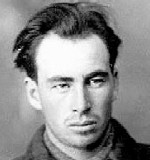
Forensic & Criminological Matrix
| Parameter | Forensic Detail |
|---|---|
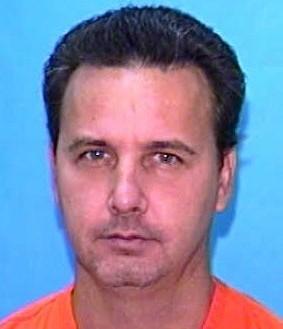
| Forensic Heading / Aliases | Keith Eugene Wells |
| Legal Identity | Keith Eugene Wells |
| Confirmed Victims | 2 |
| Attributed / Indicted Victims | 2 |
| Active Timeline | 1990 |
| Jurisdiction / Area of Operations | Boise, Idaho, USA |
| Criminological Classification | Multiple murderer |
| Forensic Modus Operandi | Surprise attack with a baseball bat in a public setting |
| Weapon / Mechanism of Death | Baseball bat |
| Motive / Behavioral Dynamics | Psychotic delusions and demonic possession |
| Judicial Outcome | Death penalty via lethal injection |
1. Background and Profile
Keith Eugene Wells (1962–1994) was a troubled individual with a criminal history involving robbery. At the time of the murders, he was on parole. Forensic evaluations indicated he suffered from schizophrenia and delusions, specifically believing he was possessed by demons that could only be exorcised through his own death.
2. Crime Spree
In 1990, Wells entered a tavern in Boise, Idaho. After spending two hours at the bar, he concluded it was "time for them to die." He used a baseball bat to beat John Justad to death as he exited the restroom, and subsequently attacked Brandi Rains, a tavern employee, when she investigated the noise. Wells later described himself as a "predator on the prowl for prey."
3. Investigation and Arrest
The investigation was straightforward due to the nature of the crime and the perpetrator's admissions. Forensic evidence, including the murder weapon, was secured at the scene. Defense counsel Rolf Kehne argued that Wells was incompetent to stand trial, citing his delusions, but court-appointed experts, including Dr. Dave Sanford, deemed him competent to make decisions regarding his life and legal proceedings.
4. Legal Proceedings and Outcome
Wells was convicted of felony murder on October 23, 1991. Judge Gerald Schroeder sentenced him to death. Wells famously waived his rights to further post-conviction relief, stating that appeals would only prolong the grief of the victims' families. The U.S. Supreme Court rejected an appeal filed against his wishes.
5. Psychiatric Evaluation and Execution
On January 6, 1994, Keith Eugene Wells was executed by lethal injection at the Idaho Maximum Security Institution. It was Idaho's first execution since 1957. Prior to his death, he expressed remorse to the victims' families, though he remained consistent in his claims regarding his internal struggle with perceived demonic possession.