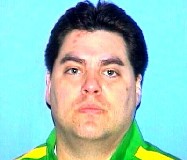
Forensic & Criminological Matrix
| Parameter | Forensic Detail |
|---|---|
| Forensic Heading / Aliases | James Granvil Wallace |
| Legal Identity | James Granvil Wallace |
| Confirmed Victims | 3 |
| Attributed / Indicted Victims | 3 |
| Active Timeline | February 1, 1984 |
| Jurisdiction / Area of Operations | Tucson, Arizona, USA |
| Criminological Classification | Multiple Murderer (Familial) |
| Forensic Modus Operandi | Ambush with blunt force instruments |
| Weapon / Mechanism of Death | Baseball bat, steel pipe wrench |
| Motive / Behavioral Dynamics | Domestic dispute / Antisocial Personality Disorder |
| Judicial Outcome | Sentenced to death (1985), commuted to life without parole (2012) |
1. Background and Psychopathy
Born on April 28, 1950, James Granvil Wallace was raised in a highly dysfunctional environment. His parents suffered from severe mental illness, alcoholism, and extreme violence. Clinical evaluations later revealed that Wallace himself suffered from antisocial personality disorder, polysubstance abuse, and potential organic brain damage resulting from childhood head traumas.
2. Crime Spree
On February 1, 1984, following a domestic dispute where he was ordered to move out, Wallace lay in wait at the apartment he shared with Susan Insalaco. He systematically killed the victims as they arrived home: first Anna (16), then Gabriel (12), and finally Susan. He used a baseball bat and a steel pipe wrench, inflicting fatal blunt force trauma.
3. Investigation and Arrest
Wallace surrendered to the police the day after the murders. He confessed to the crimes and never denied his role as the perpetrator. The investigation focused on the brutality of the acts and the lack of a rational motive, which led to intense scrutiny of his mental state during the sentencing phase.
4. Legal Proceedings and Outcome
Wallace pleaded guilty to three counts of first-degree murder. He was sentenced to death in 1985. After years of appeals regarding ineffective assistance of counsel—specifically the failure to present mitigating evidence of his traumatic upbringing—the Arizona Supreme Court commuted his sentence to life imprisonment without parole in 2012.