Forensic & Criminological Matrix
| Parameter | Forensic Detail |
|---|---|
| Forensic Heading / Aliases | N/A |
| Legal Identity | Arthur Vaganov |
| Confirmed Victims | 10 |
| Attributed / Indicted Victims | 13 (10 fatalities, 3 wounded) |
| Active Timeline | June 2, 1997 |
| Jurisdiction / Area of Operations | Sida, Gali, Abkhazia, Georgia |
| Criminological Classification | Mass murderer |
| Forensic Modus Operandi | Sabotage of communications and weapons, surprise attack on sleeping targets |
| Weapon / Mechanism of Death | Service firearm |
| Motive / Behavioral Dynamics | Mental instability, potential retaliation for hazing |
| Judicial Outcome | Case closed due to perpetrator's suicide |
1. Background and Profile
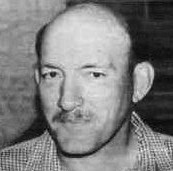
Arthur Vaganov was a sergeant serving with the Russian peacekeeping forces stationed in the breakaway region of Abkhazia, Georgia. Born in 1955, he was described by military officials as mentally unstable. His actions occurred against a backdrop of widespread reports of low morale, bullying, and systemic abuse within the Russian military ranks during the 1990s.
2. Criminal Career and Modus Operandi
On June 2, 1997, at a remote military post in the village of Sida, Vaganov executed a calculated attack. He deliberately severed the post's communication lines and disabled the weapons of his fellow conscripts. He then opened fire on his comrades while they were asleep in their bunks. The rampage resulted in the deaths of 10 soldiers and left three others wounded. It was reported that Vaganov intended to kill all 19 men on duty at the 203rd post.
3. Investigation and Arrest
Russian military authorities, including Lt. Gen. Dolia Babenkov, confirmed that Vaganov had prepared for the massacre in advance. Eyewitnesses reported that the crime scene was heavily bloodstained. The investigation concluded that Vaganov acted alone, driven by a combination of intoxication and resentment toward the military's hazing culture.
4. Legal Proceedings and Outcome
There were no legal proceedings as Vaganov turned his weapon on himself immediately following the shooting. The case was officially closed by the military command upon confirmation of his suicide and sole responsibility for the massacre.