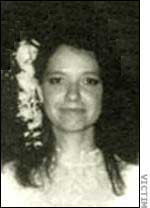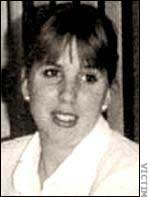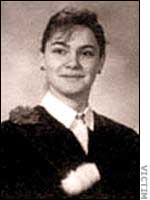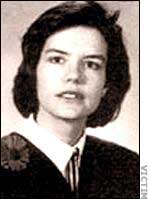


Forensic & Criminological Matrix
| Parameter | Forensic Detail |
|---|---|
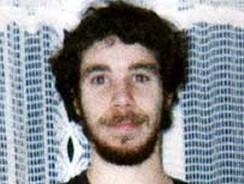
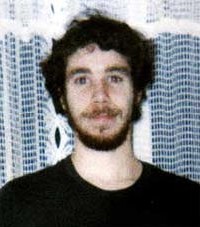
| Forensic Heading / Aliases | Marc Lepine |
| Legal Identity | Gamil Rodrigue Liass Gharbi |
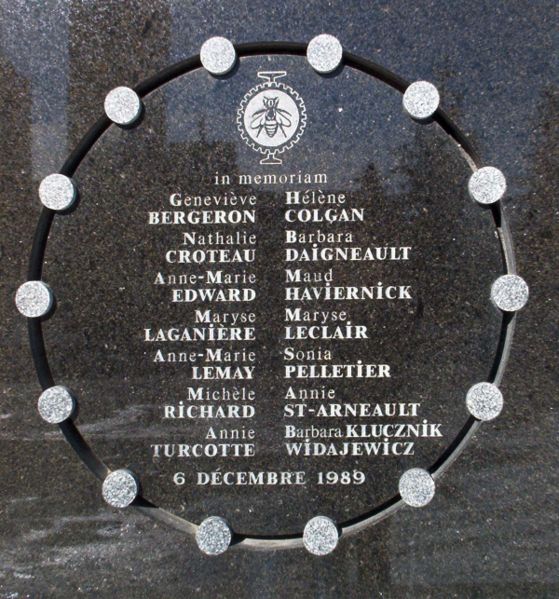
| Confirmed Victims | 14 |
| Attributed / Indicted Victims | 14 |
| Active Timeline | December 6, 1989 |
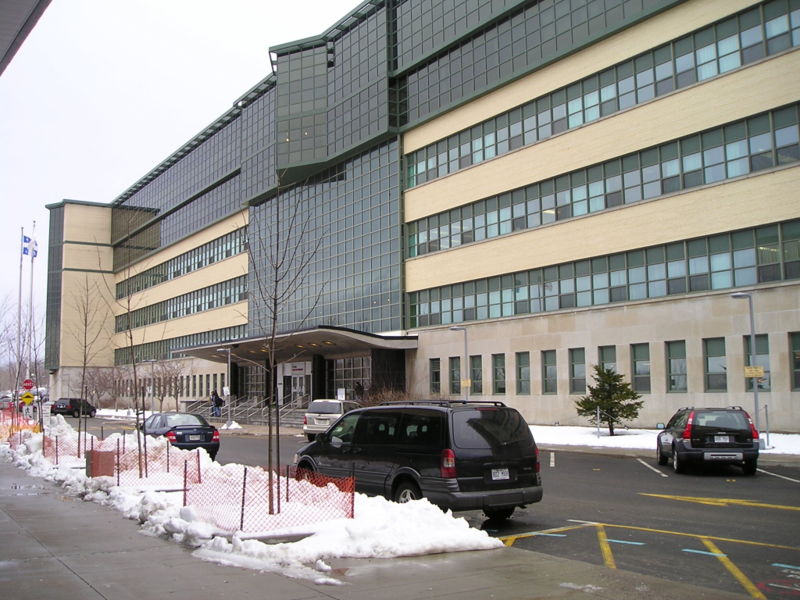
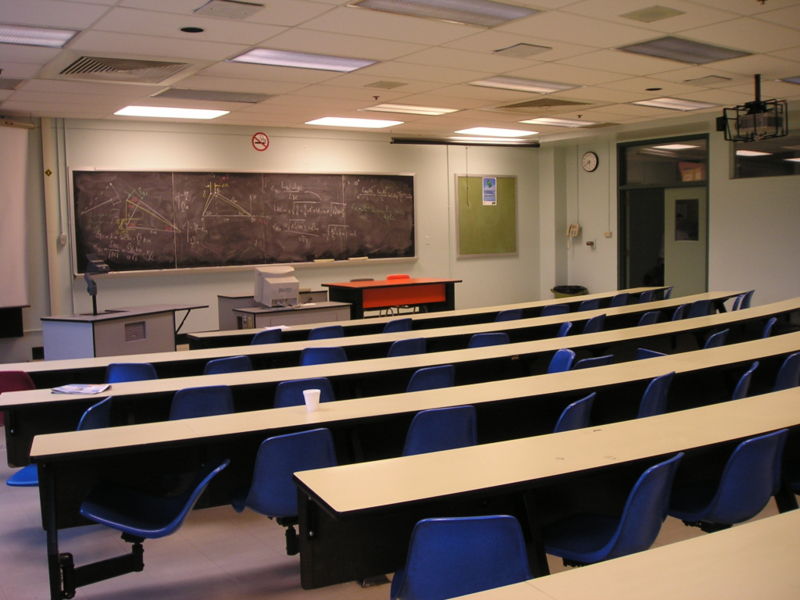
| Jurisdiction / Area of Operations | École Polytechnique, Montreal, Quebec |
| Criminological Classification | Mass Murderer |
| Forensic Modus Operandi | Active shooter with semi-automatic long gun |
| Weapon / Mechanism of Death | Sturm Ruger Mini-14 rifle and hunting knife |
| Motive / Behavioral Dynamics | Misogyny, resentment, anti-feminist ideology |
| Judicial Outcome | Perpetrator suicide at the scene |
1. Background and Profile
Born Gamil Rodrigue Liass Gharbi, the subject was raised in a household characterized by physical and psychological abuse from his father, who held deep-seated contempt for women. Following his parents' divorce in 1976, he legally changed his name to Marc Lépine in 1982. Psychologically, he was described as a withdrawn, socially isolated individual with a fixation on technology and war literature. He was noted for his lack of substance abuse but exhibited extreme behavioral rigidity.
2. Crime Spree and Modus Operandi
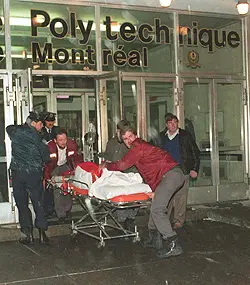
On December 6, 1989, Lépine entered the École Polytechnique de Montréal armed with a Sturm Ruger Mini-14 semi-automatic rifle and a hunting knife. He systematically targeted female students, separating them from male students before opening fire. He murdered 14 women and wounded 10 other women and 4 men. His actions were calculated and specifically targeted at women whom he blamed for his perceived life failures.
3. Investigation and Forensic Analysis
Law enforcement arrived at the scene to find a mass casualty event. A three-page suicide note was recovered from Lépine's pocket, detailing his political and misogynistic motives, including a list of women he intended to kill. Forensic investigation confirmed the weapon was purchased legally through a standard firearms acquisition certificate process.
4. Legal Proceedings and Outcome
No criminal trial occurred as Lépine committed suicide at the scene immediately following the massacre. The case was officially closed following the coroner's investigation, which confirmed his sole responsibility and subsequent death.
5. Psychiatric Assessment and Conclusion
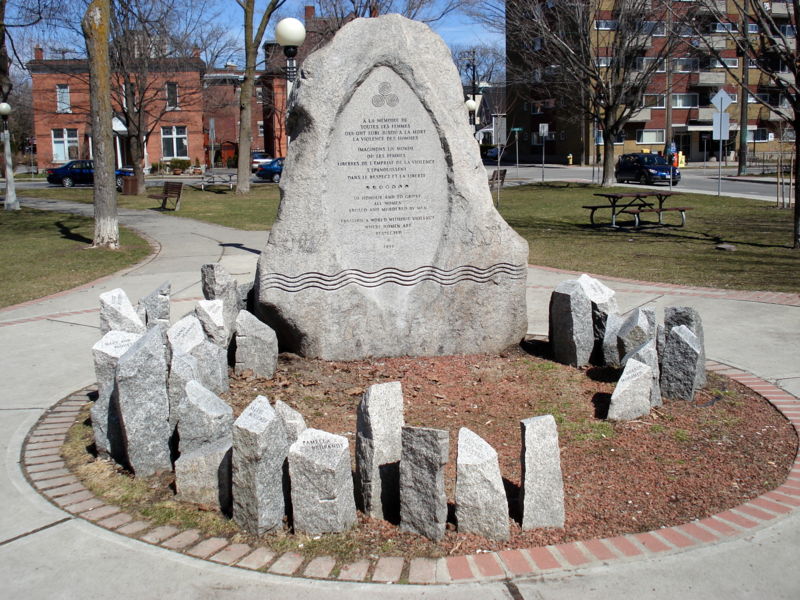
Post-mortem analysis suggests a personality profile consistent with narcissistic traits and severe social maladjustment, fueled by radicalized misogyny. The massacre remains a pivotal event in Canadian history, leading to significant legislative changes regarding gun control and national discourse on gender-based violence.