Forensic & Criminological Matrix
| Parameter | Forensic Detail |
|---|---|
| Forensic Heading / Aliases | null |
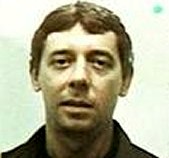
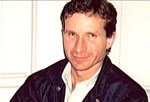
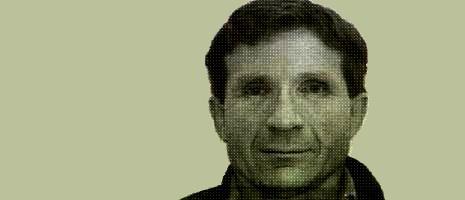
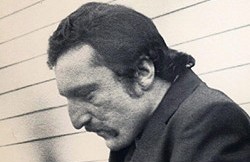
| Legal Identity | James Michael Roszko |
| Confirmed Victims | 4 |
| Attributed / Indicted Victims | 4 |
| Active Timeline | 1976 - 2005 |
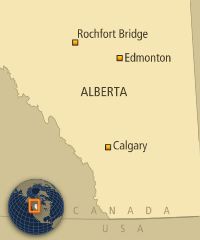
| Jurisdiction / Area of Operations | Rochfort Bridge, Alberta, Canada |
| Criminological Classification | Mass Murderer / Sexual Predator |
| Forensic Modus Operandi | Armed ambush with semi-automatic rifle on private property |
| Weapon / Mechanism of Death | Heckler & Koch 91 (.308 caliber) |
| Motive / Behavioral Dynamics | Anti-authority hatred, paranoia, antisocial personality |
| Judicial Outcome | Suicide following the shootout |
1. Background and Psychopathy
James Michael Roszko was a career criminal with a long history of violence, sexual predation, and property crimes. His psychological profile, documented in 2000, highlighted his refusal to accept responsibility for his actions and a deep-seated, paranoid hatred for the Royal Canadian Mounted Police (RCMP).
2. Crime Spree
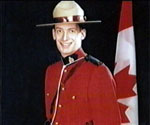
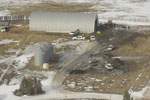
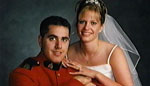
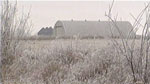
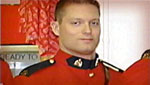
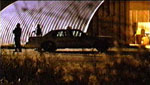
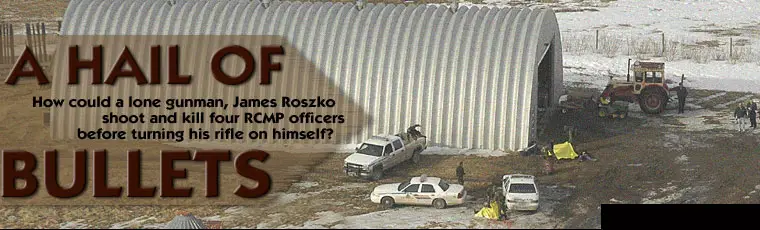
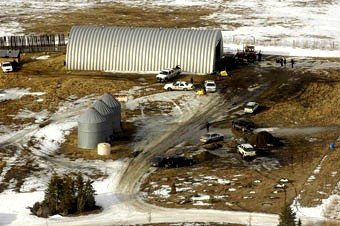
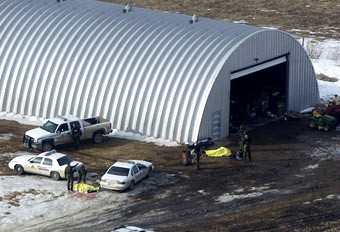
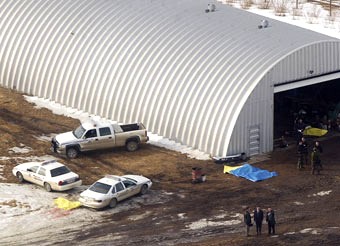
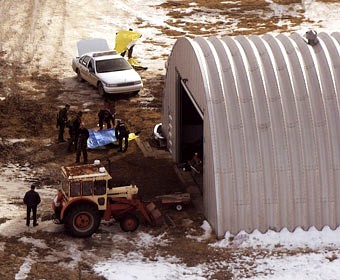
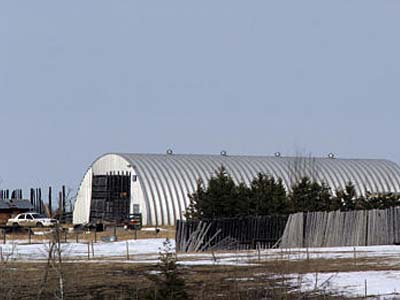
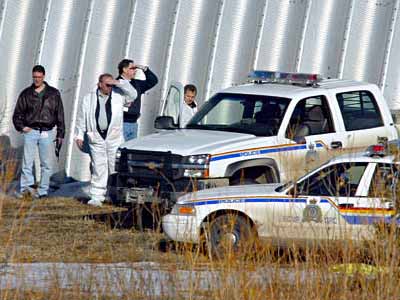
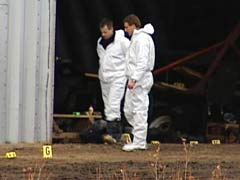
On March 3, 2005, Roszko lured RCMP officers to his farm in Rochfort Bridge under the guise of a property seizure investigation. He had prepared an ambush inside a Quonset hut on his property. When the officers arrived, he opened fire with a Heckler & Koch 91 rifle, killing four junior constables: Peter Schiemann, Anthony Gordon, Lionide Johnston, and Brock Myrol.
3. Investigation and Arrest
Following the massacre, the RCMP launched an extensive investigation. It was determined that Roszko had returned to the farm with the assistance of accomplices. The perpetrator committed suicide shortly after the shooting. The investigation later expanded to include the roles of Shawn Hennessey and Dennis Cheeseman, who were charged as parties to the offenses.
4. Legal Proceedings and Outcome
Due to Roszko's suicide, he was never brought to trial. The incident led to significant changes in RCMP training and operational procedures. The tragedy remains a landmark case in Canadian law enforcement history, prompting national discourse on officer safety and the risks associated with rural policing.