



Forensic & Criminological Matrix
| Parameter | Forensic Detail |
|---|---|
| Forensic Heading / Aliases | null |
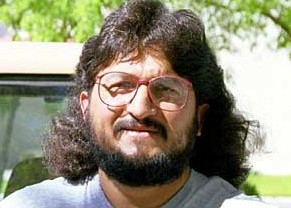
| Legal Identity | Friedrich Heinz Leibacher |
| Confirmed Victims | 14 |
| Attributed / Indicted Victims | 14 |
| Active Timeline | September 27, 2001 |
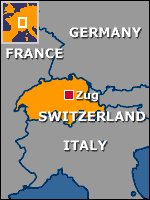
| Jurisdiction / Area of Operations | Zug, Switzerland |
| Criminological Classification | Mass Murderer |
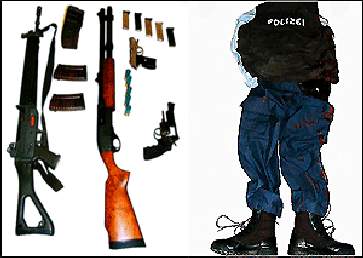
| Forensic Modus Operandi | Armed infiltration disguised as police, use of automatic weapons and explosives |
| Weapon / Mechanism of Death | Stgw 90 assault rifle, shotgun, SIG-Sauer pistols, homemade bomb |
| Motive / Behavioral Dynamics | Paranoid personality disorder, institutional resentment |
| Judicial Outcome | Suicide of the perpetrator |
1. Background and Profile
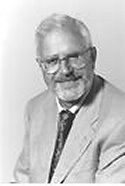
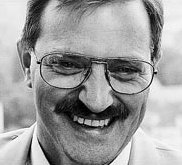
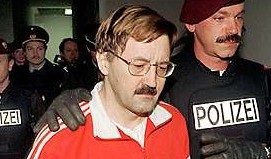
Friedrich Heinz Leibacher (1944–2001) had a history of criminal behavior dating back to 1970, when he was convicted of fraud and sexual offenses involving minors. Following his release, he suffered from chronic unemployment and was diagnosed with personality disorders and alcoholism. His obsession with local authorities began in 1998 after a trivial dispute with a bus driver, which escalated into a series of failed lawsuits and harassing letters directed at government officials.
2. Crime Spree
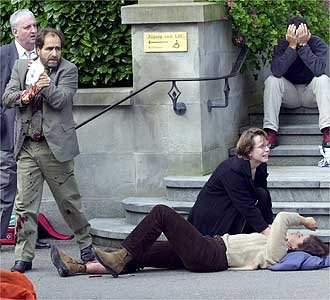
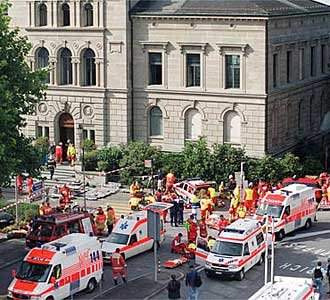
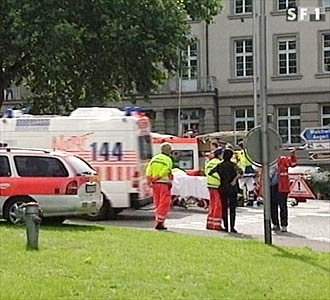
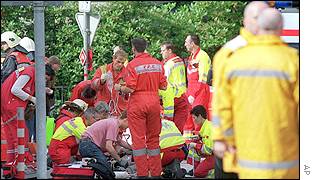
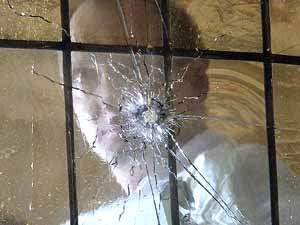
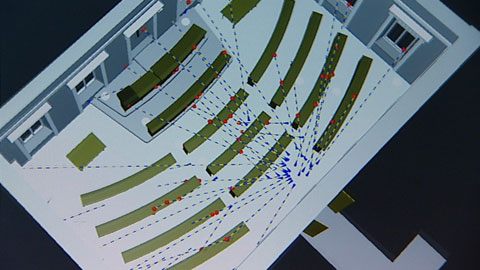
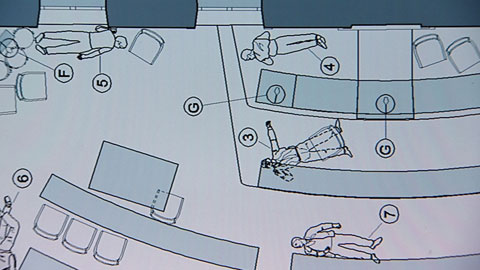
On September 27, 2001, Leibacher entered the Zug cantonal parliament disguised as a police officer. Armed with a military-grade assault rifle, a shotgun, and handguns, he opened fire on the assembly, killing 14 officials and injuring many others. He concluded the attack by detonating a homemade bomb and taking his own life. He left a note describing the act as a "Day of wrath for the Zug mafia."
3. Investigation and Forensic Analysis
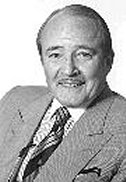
Investigators found that Leibacher had legally acquired his weapons despite his documented history of threats and mental instability. The attack was a calculated act of revenge against the local government, specifically targeting Robert Bisig. The forensic evidence highlighted the lack of security measures in public buildings at the time.
4. Legal Proceedings and Outcome
Due to the perpetrator's suicide, no criminal trial took place. The event led to significant legislative changes in Switzerland regarding security protocols for government buildings and the monitoring of individuals with histories of persistent, aggressive complaints against the state.
5. Psychiatric Evaluation and Aftermath
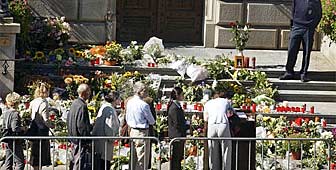
Post-mortem evaluations confirmed a paranoid personality disorder. The massacre remains a watershed moment in Swiss history, leading to the establishment of national security sections for parliament buildings and more stringent background checks for weapon licenses.