Forensic & Criminological Matrix
| Parameter | Forensic Detail |
|---|---|
| Forensic Heading / Aliases | N/A |
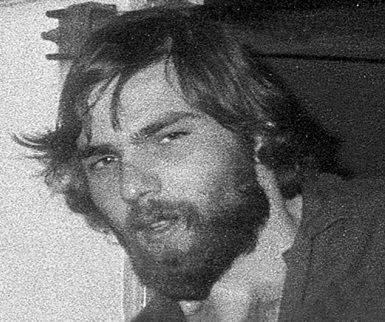
| Legal Identity | Robert Stewart Flores Jr. |
| Confirmed Victims | 3 |
| Attributed / Indicted Victims | 3 |
| Active Timeline | October 28, 2002 |
| Jurisdiction / Area of Operations | Tucson, Arizona, USA |
| Criminological Classification | Mass Murderer |
| Forensic Modus Operandi | Targeted execution with firearms in an academic setting |
| Weapon / Mechanism of Death | Handguns |
| Motive / Behavioral Dynamics | Academic failure, resentment, psychological instability |
| Judicial Outcome | Perpetrator suicide |
1. Background and Psychopathy
Robert Stewart Flores Jr., a 41-year-old Gulf War veteran and nursing student, exhibited a history of emotional instability and academic struggle. Faculty members had previously documented concerns regarding his aggressive behavior and intimidating demeanor. A formal report was filed with the University of Arizona Police Department in 2001 after he made threats regarding his intent to harm the college.
2. Crime Spree
On October 28, 2002, Flores entered the University of Arizona College of Nursing armed with five handguns. He systematically executed assistant professor Robin Rogers in her office, then proceeded to a classroom where he murdered Cheryl McGaffic and Barbara Monroe. He engaged in psychological torment before the final shots. He spared specific students before committing suicide.
3. Investigation and Arrest
Law enforcement arrived shortly after the 911 calls. A 22-page manifesto was recovered, which Flores had mailed to the Arizona Daily Star. The document detailed his grievances and rationalized the murders as a "reckoning." Forensic teams cleared his vehicle of suspected explosives.
4. Legal Proceedings and Outcome
Due to the perpetrator's suicide, no criminal trial occurred. The investigation concluded that the murders were premeditated and that Flores acted alone.