Forensic & Criminological Matrix
| Parameter | Forensic Detail |
|---|---|
| Forensic Heading / Aliases | The Poisoner of Berlin |
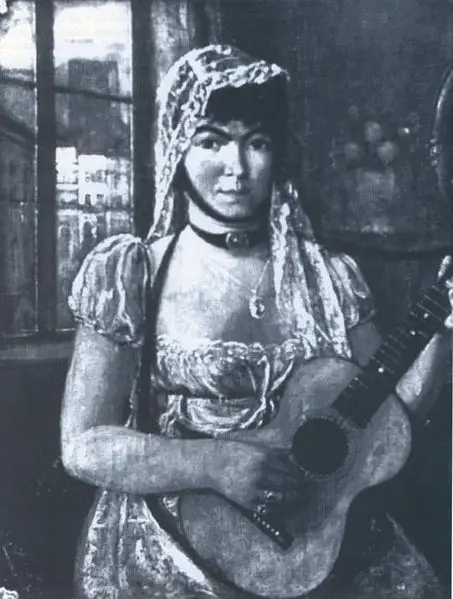
| Legal Identity | Sophie Charlotte Elisabeth Weingarten |
| Confirmed Victims | 1 (Christiane Witte) |
| Active Timeline | 1798 - 1803 |
| Jurisdiction / Area of Operations | Berlin, Prussia |
| Criminological Classification | Serial Killer (Poisoner) |
| Forensic Modus Operandi | Systematic administration of arsenic |
| Weapon / Mechanism of Death | Arsenic (arsenic trioxide) |
| Motive / Behavioral Dynamics | Financial gain and interpersonal control |
| Judicial Outcome | Life imprisonment (1803), pardoned 1833 |
1. Background and Psychopathy
Born in 1760 in Glatz, Sophie Weingarten was the daughter of an Austrian diplomat. Her marriage to the elderly Privy Councilor Theodor Ursinus was a loveless arrangement. Her psychological profile suggests a calculated individual who prioritized social status and financial independence over human life.
2. Crime Spree
Ursinus is believed to have poisoned her lover, Rogay, her husband, and her aunt, Christiane Witte. Her method involved the slow administration of arsenic, which allowed her to avoid immediate detection by contemporary physicians who often misdiagnosed the symptoms as natural illnesses.
3. Investigation and Arrest
Her downfall occurred when her servant, Benjamin Klein, survived an attempt on his life. Klein’s suspicion and subsequent chemical analysis of the poisoned food provided the necessary evidence for authorities to exhume the bodies of her previous victims, leading to her arrest in 1803.
4. Legal Proceedings and Outcome
During her trial, the forensic evidence provided by chemists Martin Heinrich Klaproth and Valentin Rose was groundbreaking. Although she denied all charges, she was convicted of murder and attempted murder. She served her sentence in relative luxury in Glatz until her pardon in 1833, dying in 1836.