

Forensic & Criminological Matrix
| Parameter | Forensic Detail |
|---|---|
| Forensic Heading / Aliases | N/A |
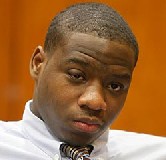
| Legal Identity | Shawn Tyson |
| Confirmed Victims | 2 |
| Attributed / Indicted Victims | 2 |
| Active Timeline | 2011 |
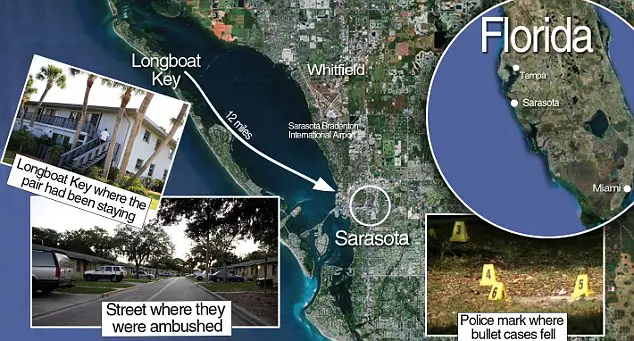
| Jurisdiction / Area of Operations | Sarasota, Florida, USA |
| Criminological Classification | Juvenile murderer |
| Forensic Modus Operandi | Armed robbery and summary execution |
| Weapon / Mechanism of Death | .22 caliber revolver |
| Motive / Behavioral Dynamics | Failed robbery and gratuitous violence |
| Judicial Outcome | Life imprisonment without parole |
1. Background and Psychopathy
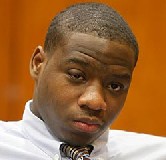
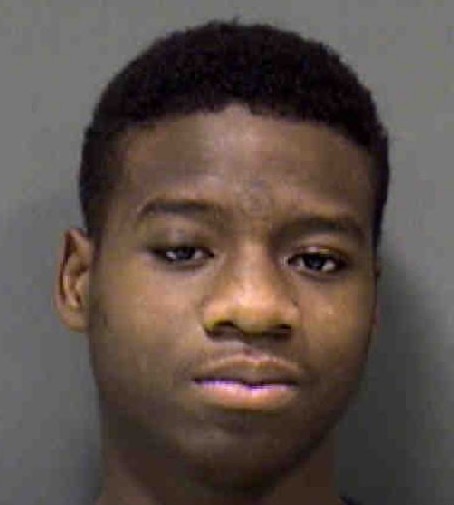
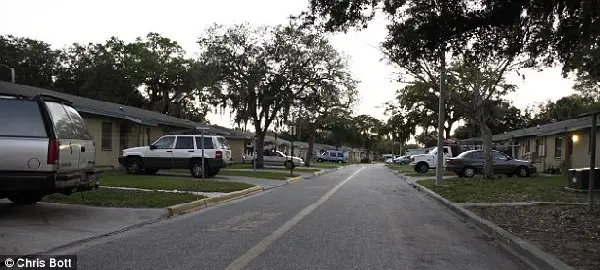
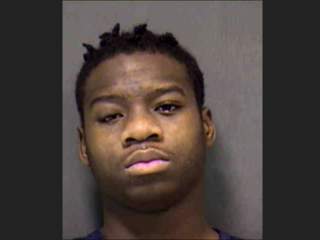
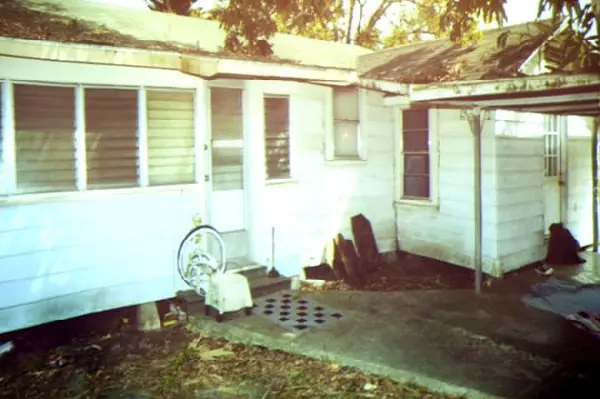
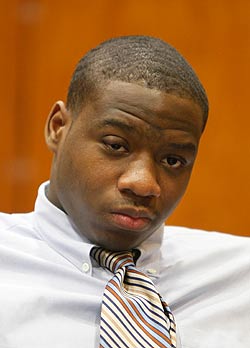
Shawn Tyson (born March 19, 1995) was a resident of the Newtown area in Sarasota, a neighborhood plagued by gang activity and high crime rates. Prior to the murders, Tyson had a documented history of violence, including a shooting incident on April 7, 2011, involving a firearm. Due to administrative errors within the Sarasota court system, he was released from custody shortly before the double homicide, a decision that drew significant public and judicial criticism.
2. Crime Spree
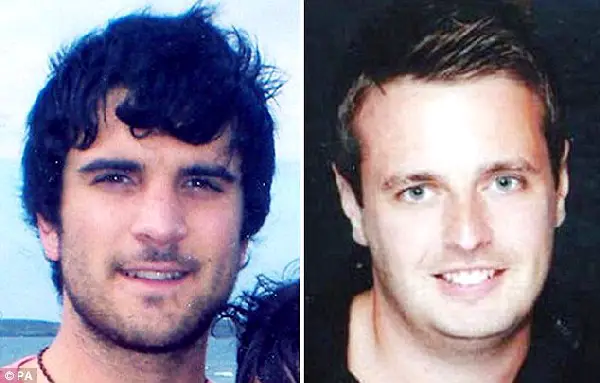
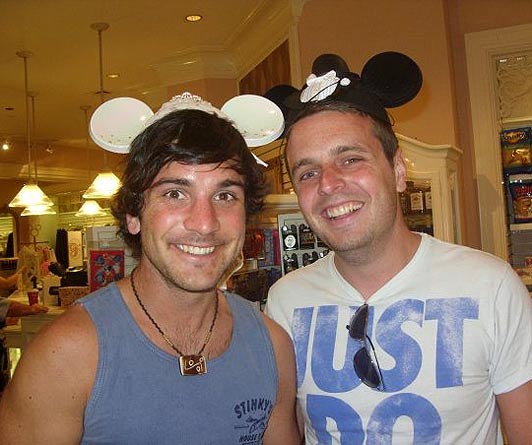
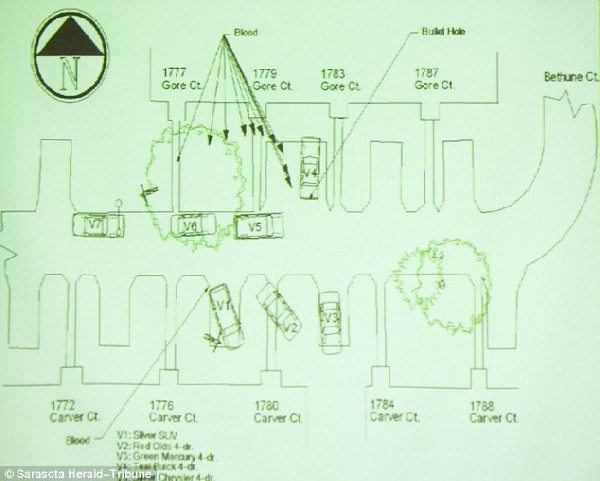
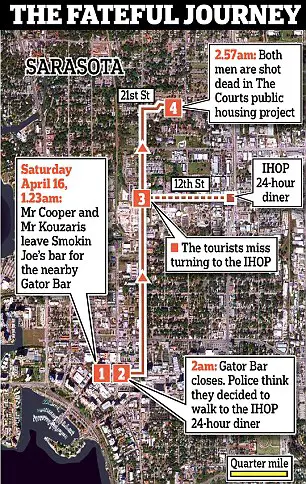
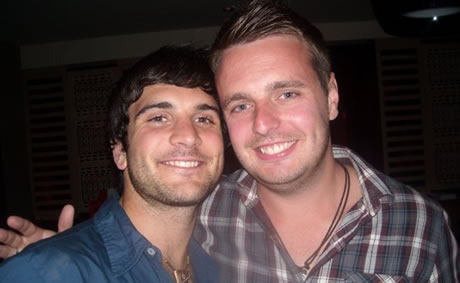
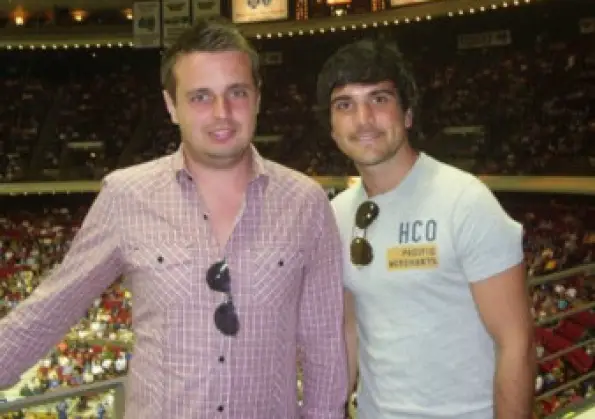
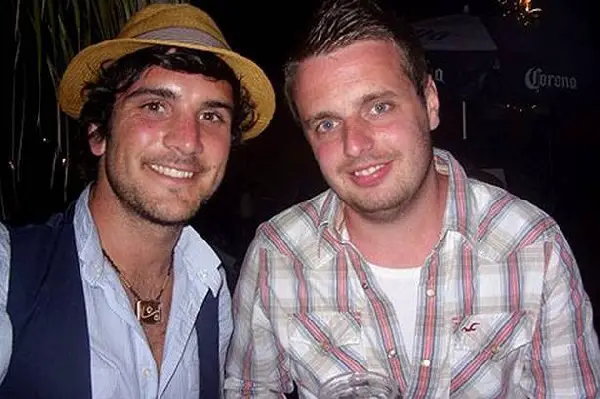
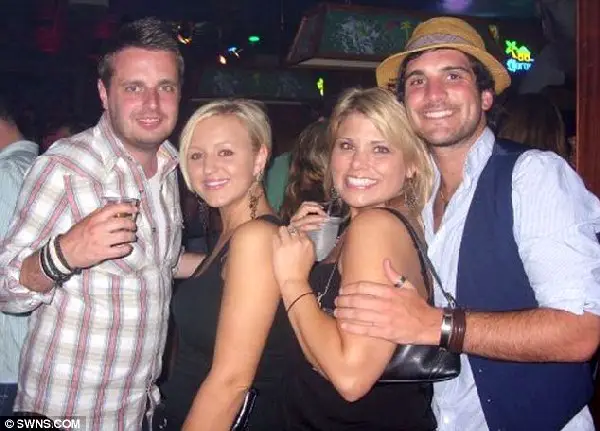
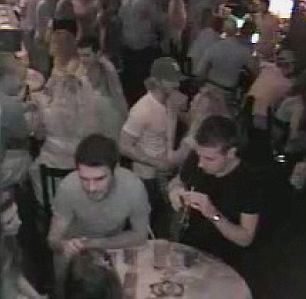
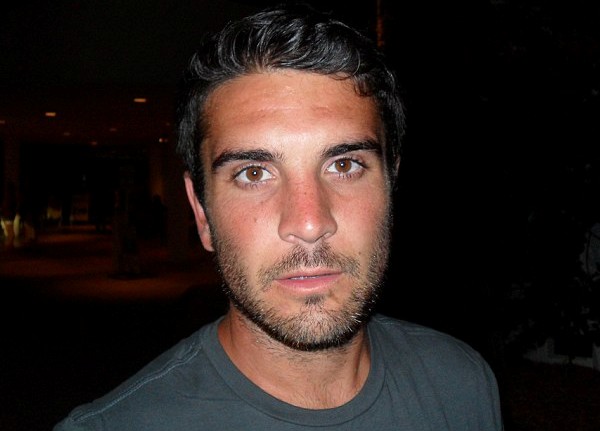
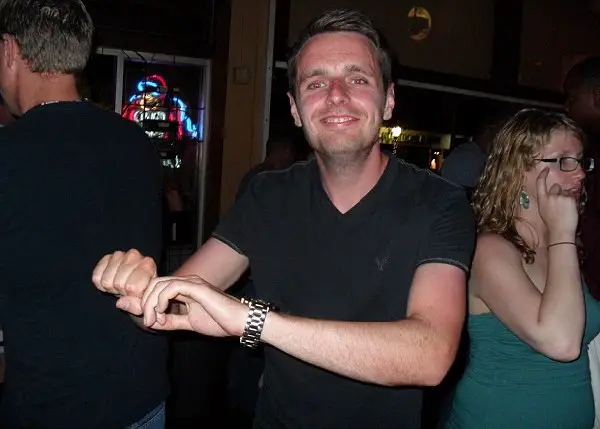
In the early hours of April 16, 2011, British tourists James Cooper and James Kouzaris, who were vacationing in Florida, wandered into the Newtown area. Tyson confronted the pair, intending to rob them. Upon realizing they possessed minimal cash, Tyson shot both men multiple times with a .22 caliber handgun. The victims were found partially undressed, and witnesses later testified that Tyson had boasted about the killings, noting that one victim had begged for his life before being shot.
3. Investigation and Arrest
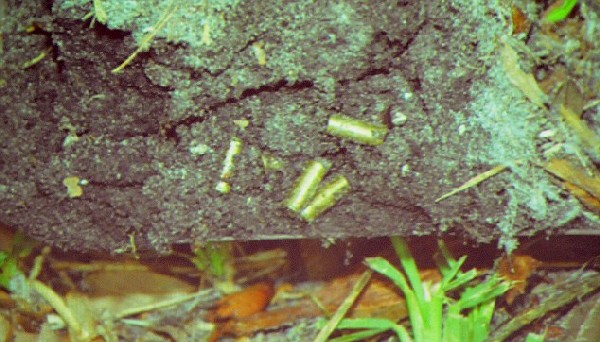
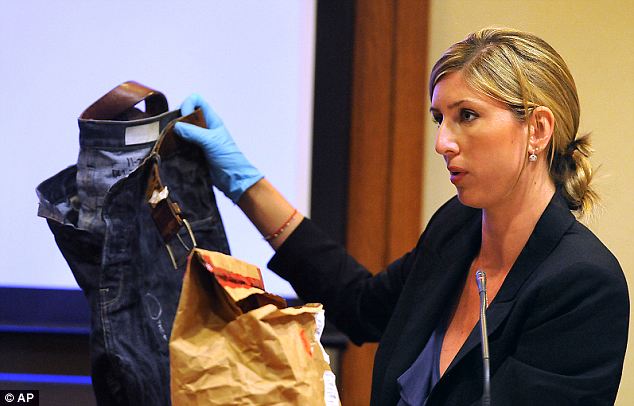
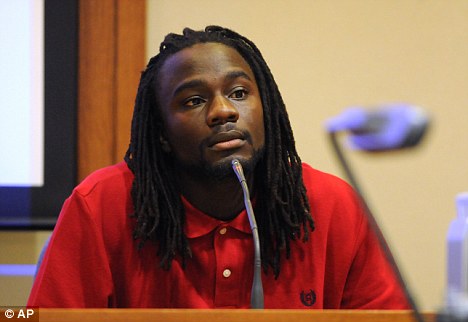
The investigation faced significant hurdles due to witness intimidation and the local 'no-snitching' culture. However, detectives successfully secured testimony from Tyson's associates, including Marvin Gaines, who admitted to disposing of the murder weapon and shell casings. Forensic evidence, including DNA found on the victims' clothing and ballistic analysis of the recovered casings, directly linked Tyson to the crime scene.
4. Legal Proceedings and Outcome
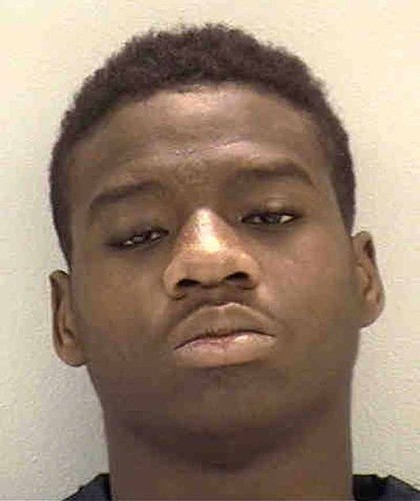
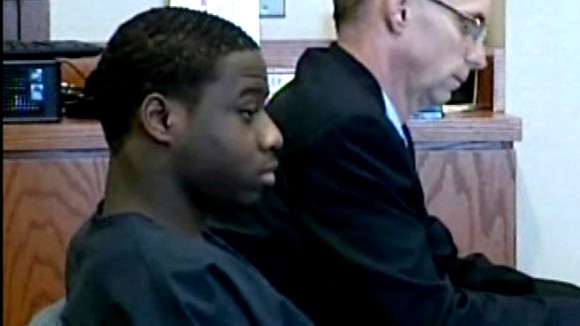
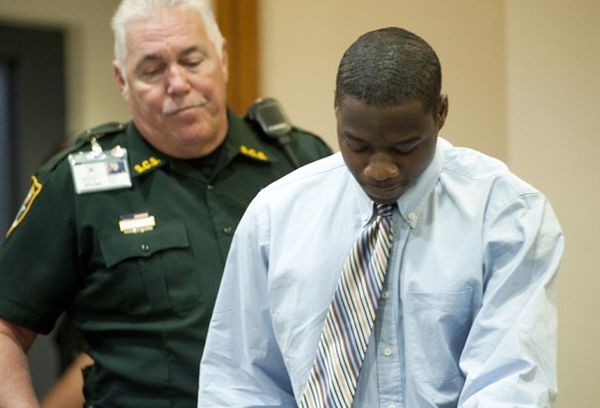
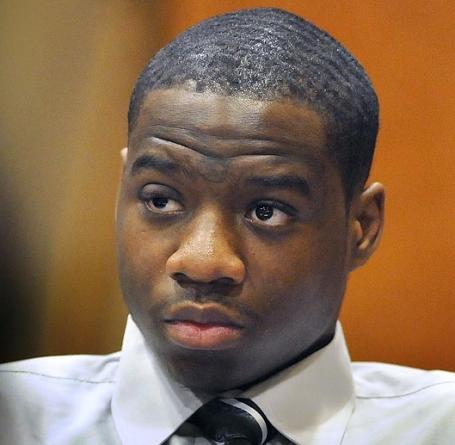
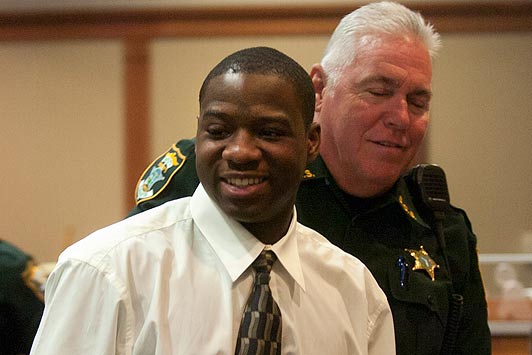
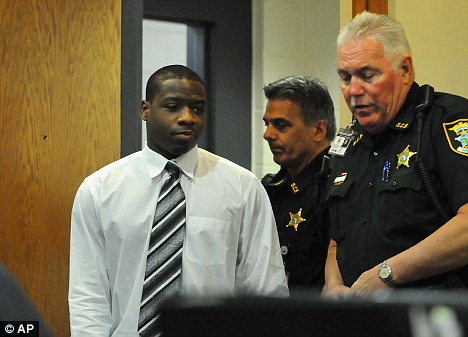
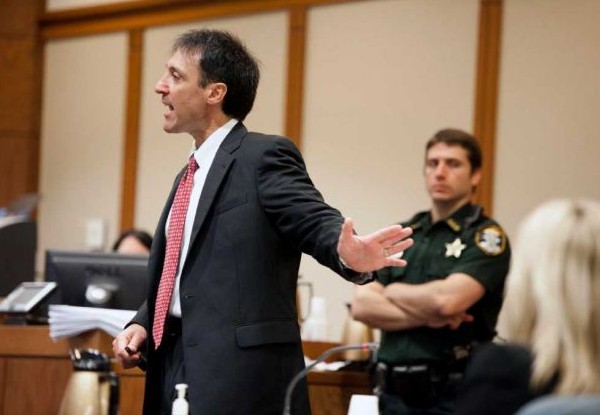
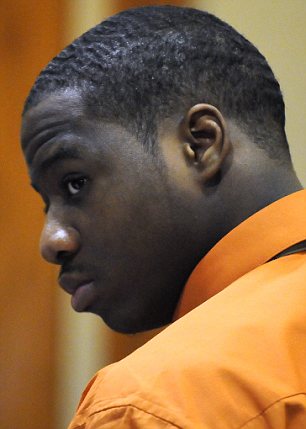
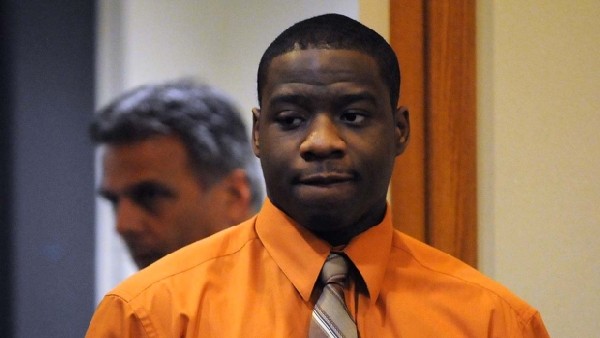
Tyson was charged as an adult despite being 16 at the time of the murders. The trial featured testimony from friends who had been threatened or coerced by the defendant. On March 29, 2012, Tyson was found guilty of two counts of first-degree murder and received two consecutive life sentences without the possibility of parole. The case remains a landmark example of the consequences of judicial oversight in juvenile criminal cases.