Forensic & Criminological Matrix
| Parameter | Forensic Detail |
|---|---|
| Forensic Heading / Aliases | N/A |
| Legal Identity | Soghomon Tehlirian |
| Confirmed Victims | 1 |
| Attributed / Indicted Victims | 2 |
| Active Timeline | 1921 |
| Jurisdiction / Area of Operations | Berlin, Germany |
| Criminological Classification | Political Assassin / Avenger |
| Forensic Modus Operandi | Public execution via firearm |
| Weapon / Mechanism of Death | Luger P08 Pistol |
| Motive / Behavioral Dynamics | Vengeance for the Armenian Genocide |
| Judicial Outcome | Acquitted on grounds of temporary insanity |
1. Background and Profile
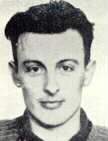
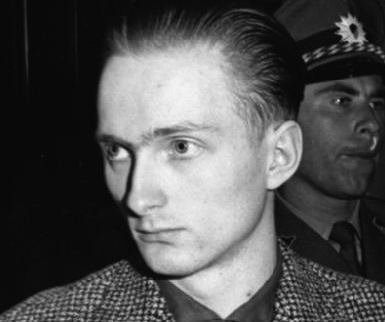
Born on April 2, 1897, in Pakarish, Ottoman Empire, Soghomon Tehlirian was an Armenian Genocide survivor. His background as an Armenian Evangelical and his direct experience with the systematic extermination of his people formed the basis of his psychological drive to seek justice for the victims of the genocide.
2. Crime Spree
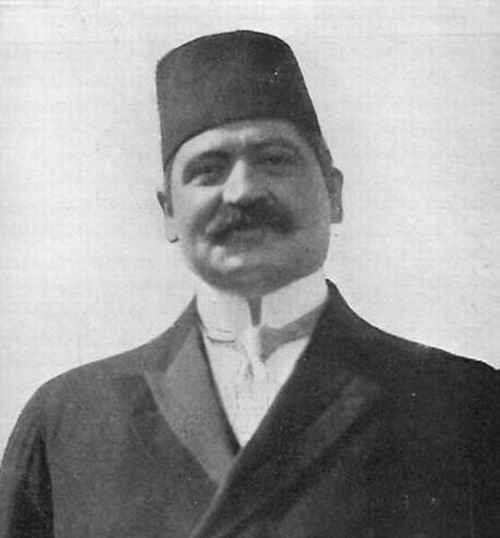
On March 15, 1921, in Berlin's Charlottenburg district, Tehlirian assassinated Talat Pasha, the former Grand Vizier of the Ottoman Empire, who was widely considered the primary architect of the Armenian Genocide. The assassination was a calculated act under the Dashnak Party's 'Operation Nemesis'. He is also attributed with the earlier killing of Harutian Mgrditichian, an Ottoman secret police collaborator.
3. Investigation and Arrest
Tehlirian was apprehended immediately at the scene in Berlin by local authorities. The investigation revealed a highly organized network of Armenian activists seeking retribution for the unpunished crimes of the Ottoman leadership.
4. Legal Proceedings and Outcome
The trial was a sensationalized legal event. Defense attorneys, including Dr. Theodor Niemeyer, focused on Tehlirian's mental state, arguing that the trauma of the genocide rendered him temporarily insane. The jury acquitted him after deliberating for just over an hour.
5. Psychiatric Evaluation and Legacy
The case set a significant legal precedent regarding the lack of international tribunals for mass atrocities. Tehlirian was released and eventually emigrated to the United States, where he lived until his death in San Francisco on May 23, 1960.