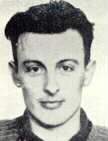





Forensic & Criminological Matrix
| Parameter | Forensic Detail |
|---|---|
| Forensic Heading / Aliases | The Couples Killer |
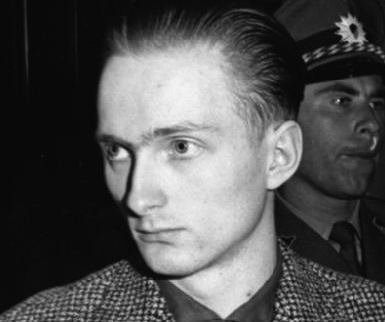
| Legal Identity | Werner Boost |
| Confirmed Victims | 1 (Bernd Servé) |
| Attributed / Indicted Victims | 3 |
| Active Timeline | 1950s |
| Jurisdiction / Area of Operations | Düsseldorf and surrounding areas, Germany |
| Criminological Classification | Serial offender with mixed motive (robbery/predatory violence) |
| Forensic Modus Operandi | Nighttime stalking of couples in secluded areas or parked vehicles, sudden armed coercion and execution |
| Weapon / Mechanism of Death | Firearms and bladed weapons |
| Motive / Behavioral Dynamics | Financial gain, psychopathic deviance, and predatory aggression |
| Judicial Outcome | Convicted and later released upon completion of sentence |
1. Background and Profile
Born in Germany in 1928, Werner Boost matured amidst the societal upheaval and economic strains of post-war Europe. His early life was characterized by petty criminality that progressively escalated toward severe violence. Contemporary psychological evaluations depicted him as a cold, remorseless individual exhibiting deep-seated psychopathic traits, utilizing intimidation and violence to satisfy material desires and exert absolute control over vulnerable targets.
2. Crime Spree
During the 1950s, Düsseldorf and its environs were terrorized by a wave of violent assaults targeting couples in secluded nocturnal settings. Boost's modus operandi relied on surprising victims in darkness, threatening them with weapons to effect robberies, and executing or attempting to murder occupants to eliminate witnesses. Although suspected in multiple unsolved double-assault cases that earned him the moniker 'The Couples Killer', investigators could definitively substantiate his guilt in the murder of lawyer Bernd Servé in January 1953.
3. Investigation and Manhunt
German criminal police faced significant pressure amid public panic. Investigators implemented targeted nocturnal surveillance in known lovers' lanes and wooded areas. Rigorous ballistics analysis and witness statements from surviving victims ultimately enabled detectives to connect physical evidence to Boost, culminating in his identification and apprehension.
4. Legal Proceedings and Outcome
Boost's arrest followed a meticulous investigation linking forensic evidence and witness testimonies. During judicial proceedings, prosecutors built a robust case substantiating his role in violent armed robberies and lethal attacks. Although linked by suspicion to several other assaults, he faced formal conviction on substantiated murder charges, leading to a significant prison sentence.
5. Psychiatric Evaluation and Final Disposition
Forensic psychiatrists concluded that Boost was fully cognizant of his actions, displaying a pervasive antisocial personality disorder. After serving his prison term under the German correctional framework, Boost was eventually released, sparking ongoing criminological debate regarding recidivism risks and the limits of penal rehabilitation for predatory serial offenders.