Forensic & Criminological Matrix
| Parameter | Forensic Detail |
|---|---|
| Forensic Heading / Aliases | Oma-Mörder (Granny-Killer) |
| Legal Identity | Olaf Däter |
| Confirmed Victims | 5 |
| Attributed / Indicted Victims | 6 (including one survivor) |
| Active Timeline | June 2001 |
| Jurisdiction / Area of Operations | Bremerhaven, Germany |
| Criminological Classification | Serial Killer |
| Forensic Modus Operandi | Mechanical asphyxiation via thoracic compression |
| Weapon / Mechanism of Death | Physical force (body weight) |
| Motive / Behavioral Dynamics | Financial gain (debt) |
| Judicial Outcome | Life imprisonment (November 2001) |
1. Background and Profile
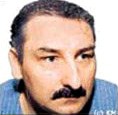
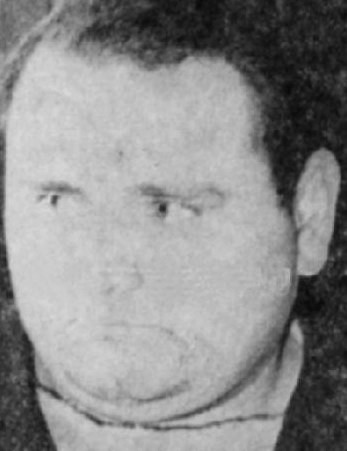
Olaf Däter (born September 25, 1969, in Bremerhaven) is a German serial killer. A former geriatric nurse, Däter was known for his obese physique, which he weaponized during his crimes. He was suffering from severe financial distress at the time of his spree, which he cited as the primary motivation for his actions.
2. Criminal Career and Modus Operandi
Within a ten-day window in June 2001, Däter murdered five elderly women. He gained access to their homes by leveraging the trust established through his professional role. Once inside, he would attack the victims from behind, using his significant body weight to compress their chests, leading to death by asphyxiation. His attempts to steal money were often thwarted by external interruptions, such as doorbells, causing him to flee the scene.
3. Investigation and Arrest
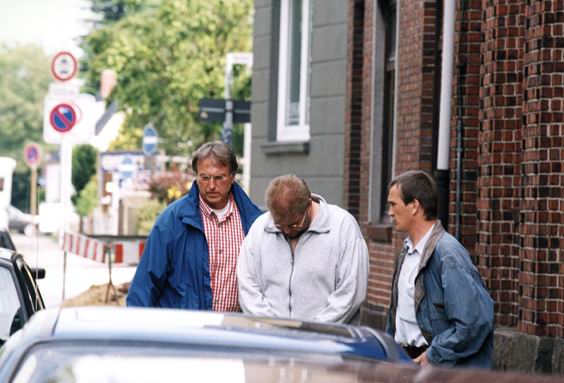
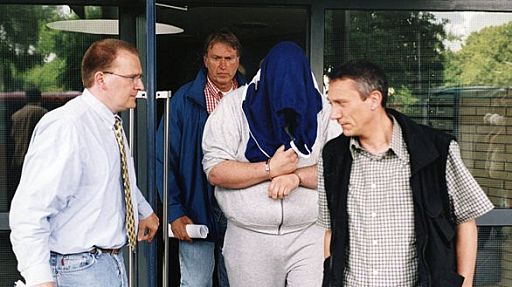
The investigation was initially hampered by medical oversight; the first four victims were incorrectly declared to have died of natural causes. The pattern was only identified after a sixth victim survived an attack and provided police with Däter's identity. He was arrested on June 14, 2001, and subsequently confessed to the murders.
4. Legal Proceedings and Outcome
In November 2001, the Landgericht Bremen sentenced Däter to life imprisonment. The case sparked significant public discourse regarding the vetting of healthcare workers and the rigor of forensic examinations in cases involving elderly deaths.