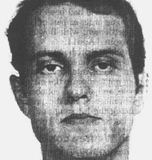



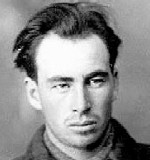
Forensic & Criminological Matrix
| Parameter | Forensic Detail |
|---|---|
| Forensic Heading / Aliases | None |
| Legal Identity | Jesse Joseph Tafero |
| Confirmed Victims | 2 |
| Attributed / Indicted Victims | 2 |
| Active Timeline | February 20, 1976 |
| Jurisdiction / Area of Operations | Broward County, Florida, USA |
| Criminological Classification | Murderer / Fugitive |
| Forensic Modus Operandi | Use of 9mm firearm against law enforcement officers |
| Weapon / Mechanism of Death | Gunshot wounds |
| Motive / Behavioral Dynamics | Avoidance of arrest and return to prison |
| Judicial Outcome | Death sentence; execution by electrocution |
1. Background and Profile
Jesse Joseph Tafero (1945–1990) had a prior criminal history involving attempted robbery and crimes against nature. At the time of the 1976 incident, he was on parole, which served as the primary driver for his violent reaction to the police encounter.
2. Crime Spree
On February 20, 1976, while parked at a rest stop in Florida, Tafero and his associates were approached by Florida Highway Patrolman Phillip Black and Canadian Constable Donald Irwin. Upon the discovery of a firearm in the vehicle, a confrontation ensued, resulting in the fatal shooting of both officers. The group subsequently fled, engaged in a kidnapping, and were eventually apprehended at a police roadblock.
3. Investigation and Arrest
Walter Rhodes, a co-defendant, provided testimony against Tafero and Sonia Jacobs in exchange for a plea deal. Forensic evidence, including gunpowder residue tests and conflicting eyewitness accounts, cast doubt on the state's narrative that Tafero was the triggerman. Rhodes later recanted his testimony multiple times, claiming sole responsibility.
4. Legal Proceedings and Outcome
The trial was marred by prosecutorial misconduct, including the suppression of exculpatory evidence and the use of unreliable jailhouse informants. Despite these issues, Tafero was sentenced to death. His co-defendant, Sonia Jacobs, eventually had her conviction overturned due to the discovery of suppressed evidence.
5. Execution and Aftermath
Tafero was executed on May 4, 1990. The execution was notoriously botched; the electric chair malfunctioned, causing flames to erupt from his head and requiring multiple jolts of electricity. The incident sparked international debate regarding the constitutionality of the death penalty and the potential execution of an innocent man.