Forensic & Criminological Matrix
| Parameter | Forensic Detail |
|---|---|
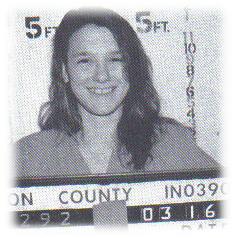
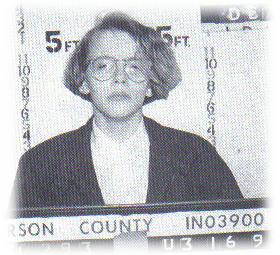
| Forensic Heading / Aliases | Laurie Tackett |
| Legal Identity | Mary Laurine Tackett |
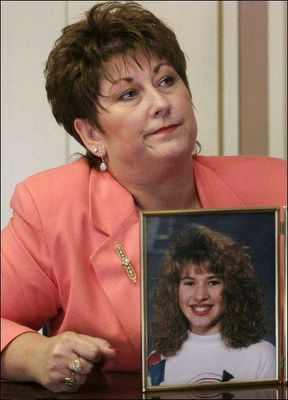
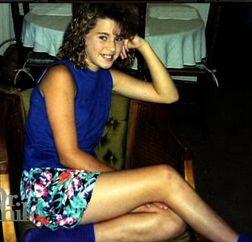
| Confirmed Victims | 1 (Shanda Sharer) |
| Active Timeline | 1992 |
| Jurisdiction / Area of Operations | Indiana, USA |
| Criminological Classification | Juvenile offender (co-conspirator) |
| Forensic Modus Operandi | Kidnapping, torture, and arson-homicide |
| Weapon / Mechanism of Death | Gasoline and fire |
| Motive / Behavioral Dynamics | Interpersonal conflict and group dynamics |
| Judicial Outcome | Imprisoned, currently released |
1. Background and Profile
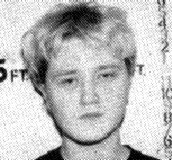
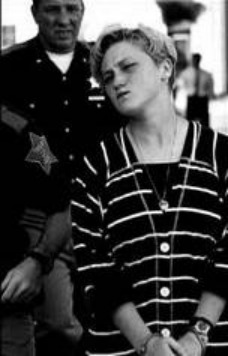
Laurie Tackett was a key participant in the 1992 murder of Shanda Sharer. Her involvement is studied as a case of extreme juvenile delinquency driven by peer pressure and pathological group dynamics.
2. Crime Spree
On January 11, 1992, Tackett and three other teenagers abducted 12-year-old Shanda Sharer. The victim was subjected to severe physical abuse and torture before being burned to death in a remote area of Shelby Township. The brutality of the act shocked the nation.
3. Investigation and Arrest
Law enforcement quickly identified the perpetrators through witness statements and forensic evidence collected at the crime scene. The investigation revealed a clear premeditation by the group.
4. Legal Proceedings and Outcome
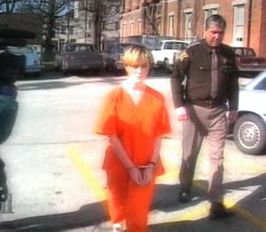
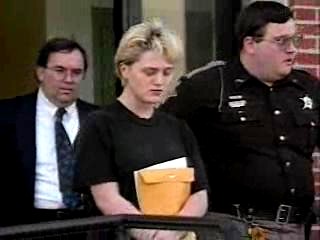
Despite her age, Tackett was tried as an adult. She was sentenced to prison and served a portion of her term before being released on parole, a decision that remains controversial in the American legal system.
5. Behavioral Analysis
Forensic psychologists often cite this case as a prime example of how adolescent group dynamics can escalate into lethal violence, where individual accountability is diffused within the collective.