



Forensic & Criminological Matrix
| Parameter | Forensic Detail |
|---|---|
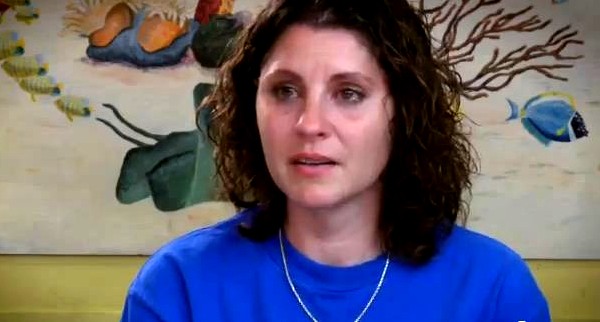
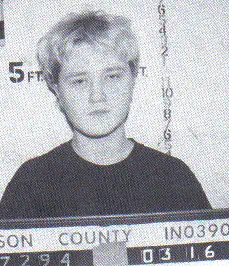
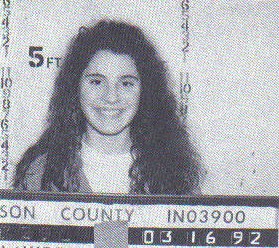
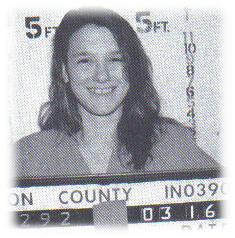
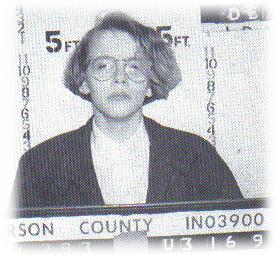
| Forensic Heading / Aliases | Melinda Loveless |
| Legal Identity | Melinda Loveless |
| Confirmed Victims | 1 (Shanda Sharer) |
| Active Timeline | 1992 |
| Jurisdiction / Area of Operations | Jeffersonville and Shelby County, Indiana, USA |
| Criminological Classification | Group offender / Violent juvenile delinquent |
| Forensic Modus Operandi | Decoy abduction, prolonged torture, and live incineration |
| Weapon / Mechanism of Death | Gasoline, fire, blunt force trauma, and edged weapons |
| Motive / Behavioral Dynamics | Obsessive jealousy, emotional rivalry, and peer-group dynamics |
| Judicial Outcome | Sentenced to 60 years in prison; later released on parole |
1. Background and Profile
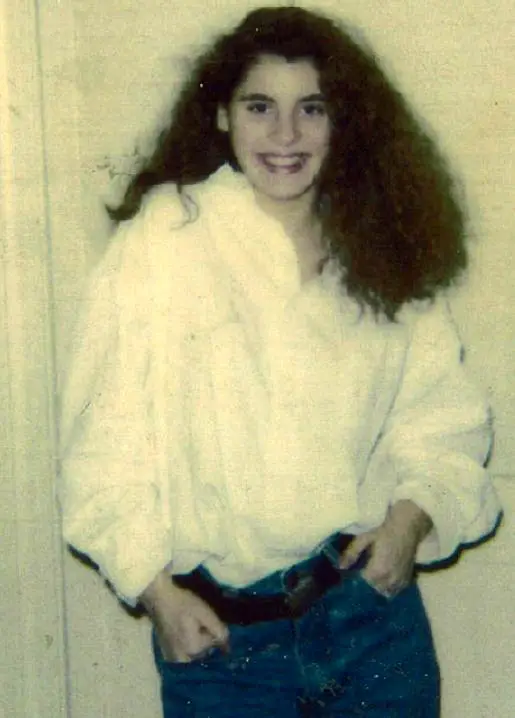
Melinda Loveless was born in 1975 in the United States. Growing up amidst familial instability and early childhood trauma, she developed a highly aggressive relational style and a tendency toward intense emotional dependencies. During her adolescence in Indiana, Loveless exhibited controlling behaviors within her interpersonal relationships, displaying a severe intolerance to perceived romantic slights or abandonment.
2. Crime Spree
In January 1992, fueled by intense jealousy toward 12-year-old Shanda Sharer—who had become romantically involved with Loveless's former girlfriend—Loveless orchestrated a calculated revenge plot alongside three other teenage accomplices (Laurie Tackett, Hope Rippey, and Toni Lawrence). On January 11, 1992, the group lured Sharer into a car under false pretenses. They transported her to a secluded wooded area in Shelby Township, where she was subjected to hours of horrific physical torture before being doused in gasoline and burned alive.
3. Investigation and Forensic Pursuit
The extreme brutality of the crime sparked an immediate and intensive police investigation. Law enforcement quickly linked the suspects to the disappearance through witness testimonies, forensic evidence at the crime scene, and recovery of material traces. Investigators successfully mapped out the hierarchy of the group, identifying Loveless as the primary instigator and mastermind behind the abduction and murder.
4. Legal Proceedings and Outcome
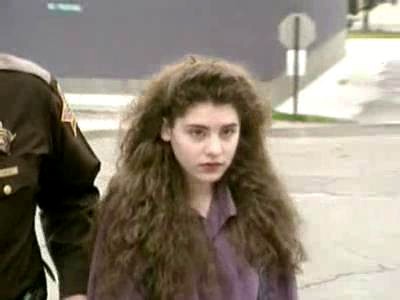
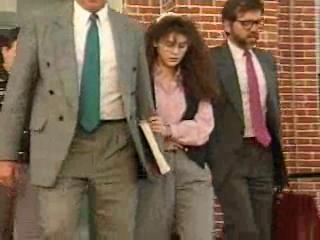
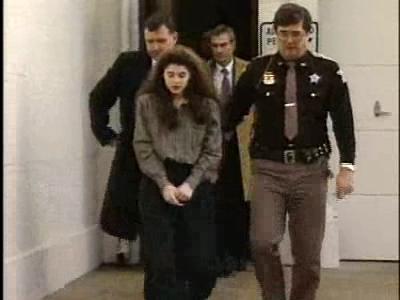
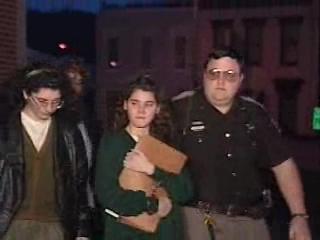
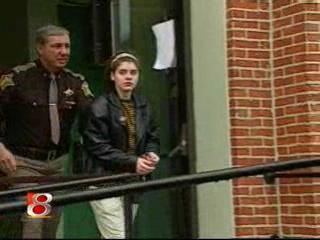
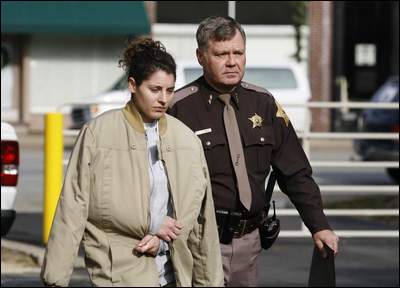
Loveless and her co-conspirators were swiftly arrested and charged as adults due to the heinous nature of the crime. The case attracted international media attention, highlighting issues of juvenile violence and extreme cruelty. Facing overwhelming evidence, Loveless pleaded guilty and was sentenced to 60 years in prison, which was the maximum sentence for juveniles under Indiana law at the time.
5. Psychiatric Evaluation and Final Disposition
Forensic psychiatric evaluations indicated that Loveless possessed a controlling personality with significant impulse control deficits and a capacity for calculated malice. Despite her lengthy sentence, changes in legal parameters and subsequent parole board reviews eventually led to her release after serving less than half of her sentence, prompting widespread public debate regarding juvenile justice and victim advocacy.