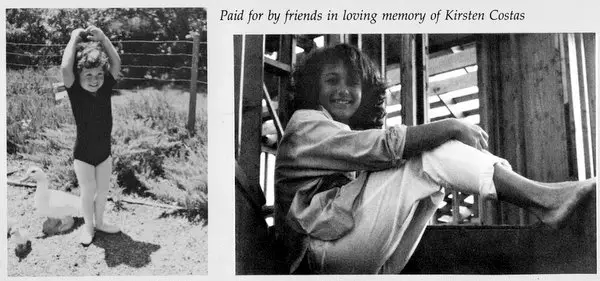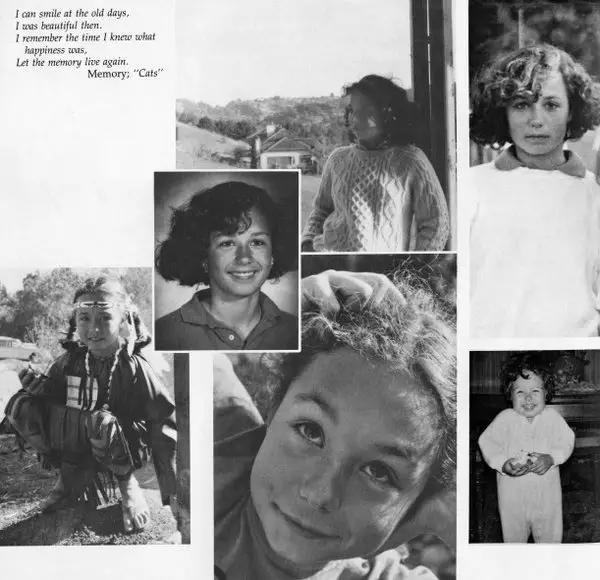





Forensic & Criminological Matrix
| Parameter | Forensic Detail |
|---|---|
| Forensic Heading / Aliases | Bernadette Protti |
| Legal Identity | Bernadette Marie Protti |
| Confirmed Victims | 1 (Kirsten Costas) |
| Active Timeline | June 21, 1984 |
| Jurisdiction / Area of Operations | Orinda and Moraga, California, United States |
| Criminological Classification | Adolescent offender / Interpersonal homicide driven by jealousy |
| Forensic Modus Operandi | Deceptive phone summons under a group alibi, transportation in a family vehicle (Ford Pinto), and nighttime ambush with a knife |
| Weapon / Mechanism of Death | Large kitchen knife / Exsanguination via multiple stab wounds |
| Motive / Behavioral Dynamics | Extreme jealousy, acute social maladjustment, and pathological frustration over peer rejection |
| Judicial Outcome | Sentenced to 9 years in the California Youth Authority in 1985; paroled in 1992 |
1. Background and Profile
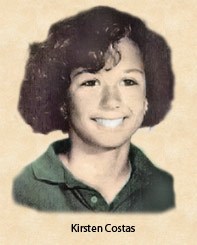
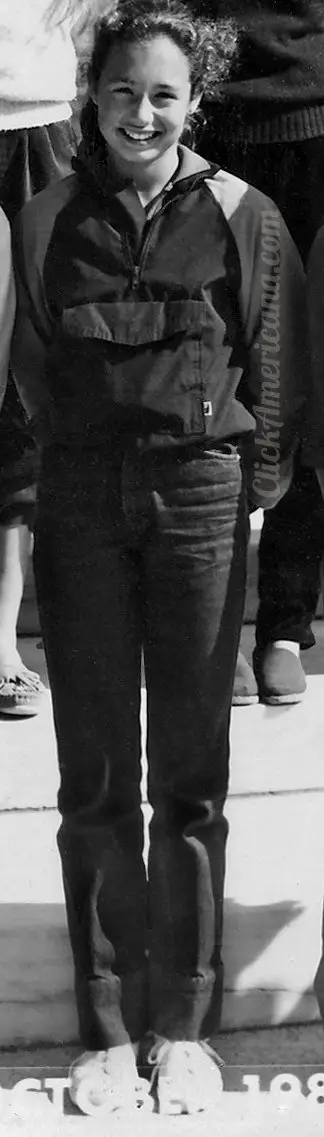
Bernadette Protti was a teenager residing in the affluent, low-crime suburb of Orinda, Northern California, attending Miramonte High School. Like many of her peers, she operated within a high-pressure social ecosystem. However, Protti harbored deep-seated insecurities, intense feelings of inadequacy, and an overwhelming obsession to gain entry into elite high school cliques, specifically the prestigious 'Bobbies' social club. Her failure to secure a spot on the school's cheerleading squad and the perceived superiority of more popular girls like Kirsten Costas fostered an internal psychological pressure cooker defined by resentment and social envy.
2. Crime Spree and Modus Operandi
On June 21, 1984, Protti executed a calculated plan to lure Kirsten Costas under false pretenses. Posing over the telephone as a member of the Bobbies, she invited Costas to an exclusive initiation dinner. Protti picked her up in a mustard-colored Ford Pinto owned by her family and drove her toward a secluded area between Orinda and Moraga.
When the victim realized the deception or attempted to withdraw, Protti ambushed her near a residential property, wielding a large kitchen knife. Costas suffered five severe stab wounds before collapsing. The modus operandi exhibited premeditation in the entrapment phase combined with a violent, passion-driven execution.
3. Investigation and Forensics
The murder shocked the quiet community of Orinda. For weeks, the Contra Costa County Sheriff's Department struggled to uncover definitive physical evidence, leaving law enforcement vulnerable to intense public rumors. Initial community suspicion unjustly targeted another student, Heather Crane, whose non-conformist punk aesthetic and social alienation made her an easy scapegoat in the eyes of grieving parents and peers.
The investigation stalled until psychological distress, internal guilt, and confidential disclosures eventually directed investigators toward Protti as a prime suspect.
4. Legal Proceedings and Outcome
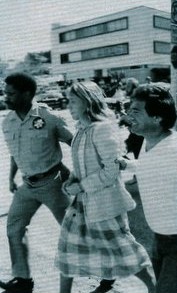
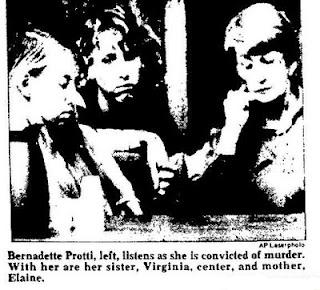
Following mounting circumstantial evidence and admissions made to confidants, Bernadette Protti was arrested in 1985. Due to her juvenile status at the time of the offense, her case was processed through the California juvenile justice system.
In 1985, a juvenile court judge sentenced Protti to a maximum term of nine years at the California Youth Authority, the stiffest penalty available under state law for youthful offenders at the time.
5. Psychiatric Evaluation and Aftermath
Forensic psychiatrists concluded that Protti acted under an acute emotional disturbance fueled by pathological envy and social rejection, devoid of major psychotic disorders but marked by severe adolescent identity crisis. During her incarceration, Protti maintained exemplary behavior and expressed remorse. She was released on parole in 1992 after serving seven years, subsequently assuming a new legal identity to reintegrate into society under parole supervision.