




Forensic & Criminological Matrix
| Parameter | Forensic Detail |
|---|---|
| Forensic Heading / Aliases | Ringleader of the Amagasaki Serial Murder Incident |
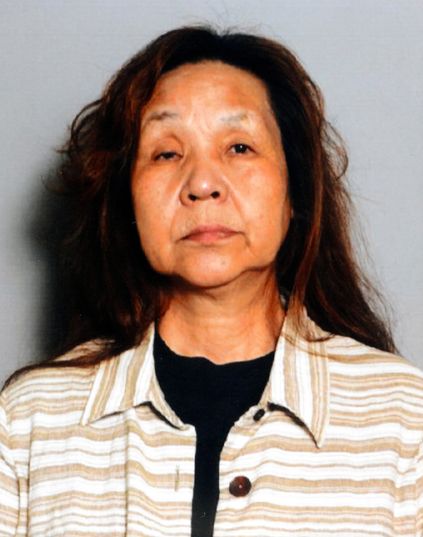
| Legal Identity | Miyoko Sumida |
| Confirmed Victims | 8 |
| Active Timeline | c. 1987 – 2012 |
| Jurisdiction / Area of Operations | Amagasaki, Hyōgo Prefecture, and other regions in Japan |
| Criminological Classification | Serial killer / Cult-like psychological manipulator |
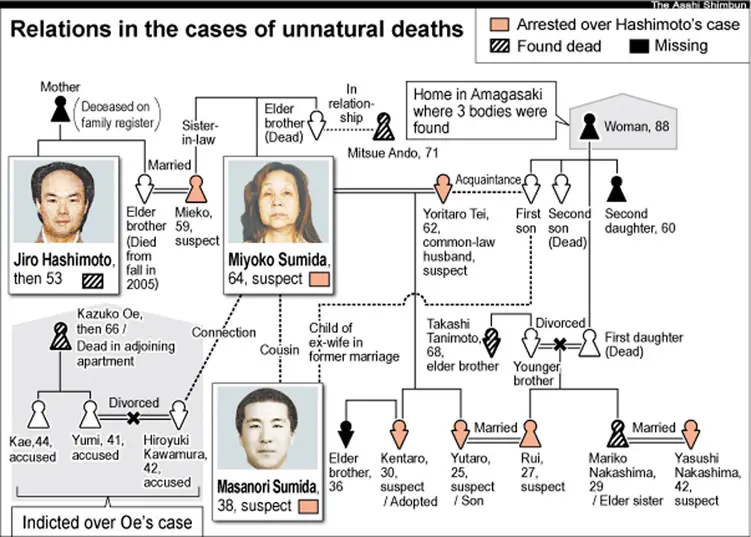
| Forensic Modus Operandi | Psychological domination, coercing family members to torture relatives, confinement in sheds, starvation, and concealing corpses in concrete-filled metal drums |
| Weapon / Mechanism of Death | Blunt force trauma, physical abuse, dehydration, starvation, and suffocation |
| Motive / Behavioral Dynamics | Financial enrichment, extortion, and pathological need for absolute interpersonal control |
| Judicial Outcome | Indicted on multiple counts; committed suicide in custody in December 2012 before trials concluded |
1. Background and Profile
Miyoko Sumida (1948–2012) emerged as the central figure in one of the most disturbing multi-victim criminal cases in modern Japanese history. Operating without conventional weaponry, Sumida utilized intense psychological manipulation and fear to establish a domestic totalitarian environment, effectively running a destructive family cult centered around coercion and financial extortion.
2. Crime Spree and Modus Operandi
Beginning around 1987 and extending until her arrest, Sumida targeted vulnerable individuals and entire family networks. Her modus operandi involved breaking down victims' psychological resilience through sustained intimidation, forcing family members to physically assault and torture one another. Victims were frequently confined in balcony sheds, subjected to starvation and dehydration, and eventually beaten to death. Corpses were disposed of by encasing them in concrete inside oil drums or burying them beneath floorboards.
3. Police Investigation and Forensic Hunt
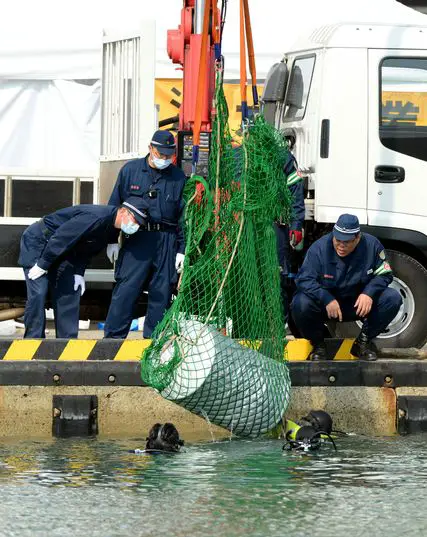
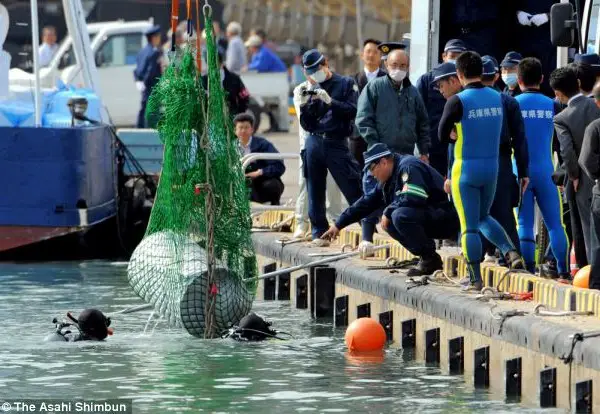
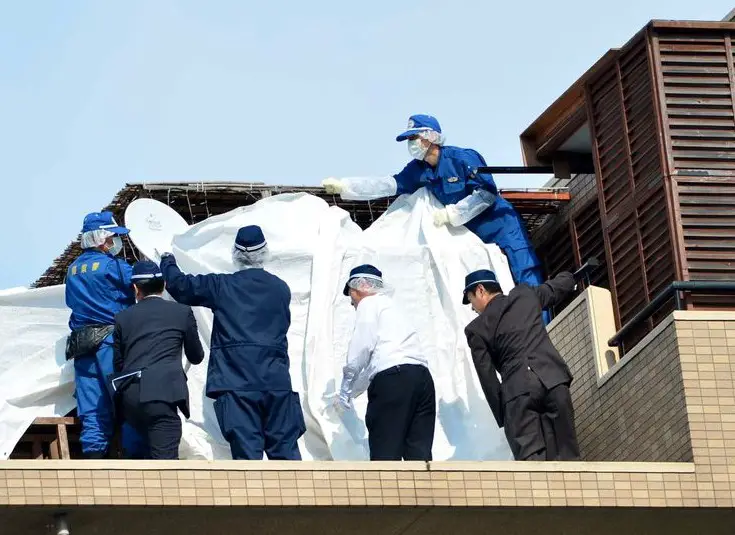
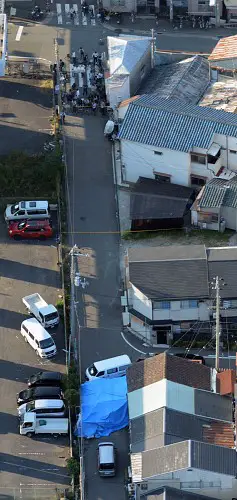
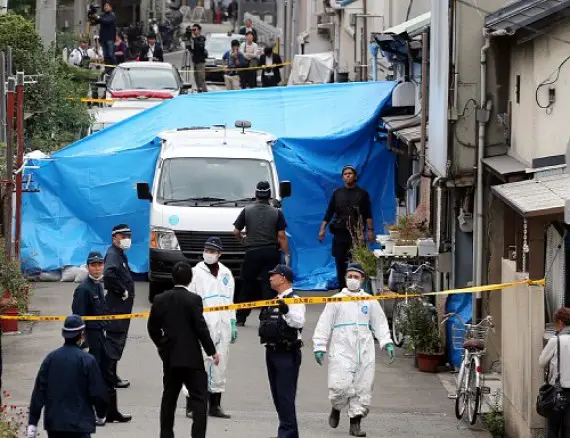
The atrocities unraveled in November 2011 when authorities discovered the concrete-encased body of Kazuko Oe in an oil drum in Amagasaki. Subsequent intelligence and source disclosures led forensic investigators in October 2012 to unearth additional skeletal remains beneath a residence in Amagasaki. The ensuing prefecture-wide investigation uncovered a network of at least eight confirmed murders and numerous suspicious disappearances.
4. Legal Proceedings and Outcome
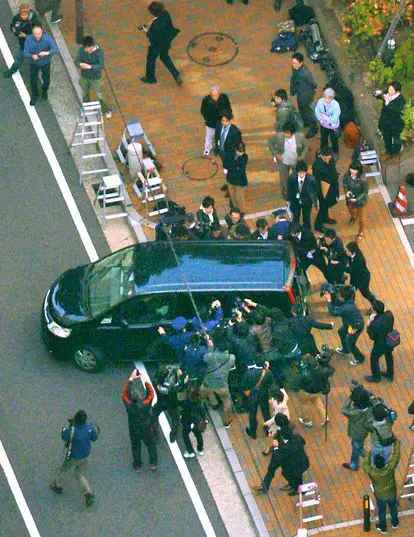
Sumida and several co-defendants—including coerced relatives and accomplices—were arrested and indicted on multiple charges including physical assault resulting in death, unlawful confinement, and corpse abandonment. The complexity of the multi-jurisdictional crimes required extensive forensic excavation across several Japanese prefectures.
5. Psychiatric Assessment and Resolution
Before the judicial system could deliver final verdicts on all charges, Miyoko Sumida committed suicide while in police custody in December 2012 at the age of 64. Her death closed the criminal case against her personally, though investigations into her network of accomplices continued.