Forensic & Criminological Matrix
| Parameter | Forensic Detail |
|---|---|
| Forensic Heading / Aliases | Rupert Maxwell Stuart |
| Legal Identity | Rupert Maxwell Stuart |
| Confirmed Victims | 1 |
| Attributed / Indicted Victims | 1 |
| Active Timeline | 1958 |
| Jurisdiction / Area of Operations | Ceduna, South Australia |
| Criminological Classification | Sexual Homicide |
| Forensic Modus Operandi | Sexual assault followed by blunt force trauma homicide |
| Weapon / Mechanism of Death | Stone |
| Motive / Behavioral Dynamics | Alcohol-induced impulsivity |
| Judicial Outcome | Death sentence commuted to life imprisonment |
1. Background and Psychopathy
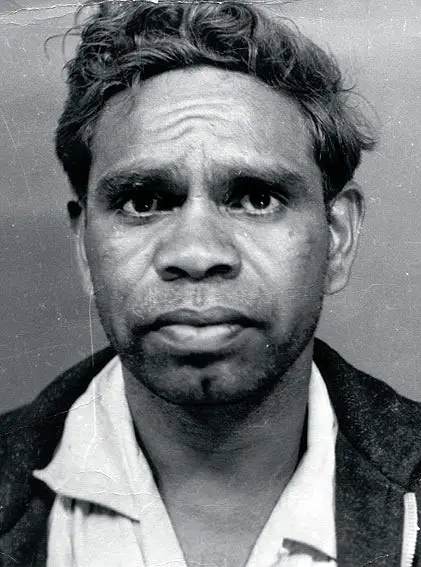
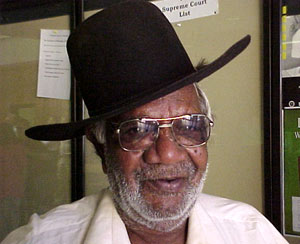
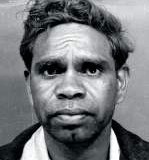
Rupert Maxwell Stuart was an Arrernte Aboriginal man born in Jay Creek. Despite his traditional initiation, he lived on the fringes of white society, working as a stockman and carnival boxer. He was largely illiterate and struggled with alcohol dependency, with a prior conviction for indecent assault in 1957.
2. Crime Spree
On December 20, 1958, nine-year-old Mary Olive Hattam was abducted and murdered near Ceduna. The crime scene suggested a brutal sexual assault. Stuart, who was working at a local carnival, became the primary suspect after police interrogation.
3. Investigation and Arrest
Police relied on tracker evidence and a typed confession. The confession was highly controversial, as it contained complex English vocabulary inconsistent with Stuart's limited grasp of the language. Allegations of police brutality and coerced statements emerged early in the investigation.
4. Legal Proceedings and Outcome
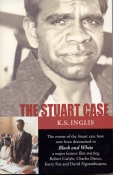
Stuart was sentenced to death in 1959. The case sparked a massive public outcry and media campaign, notably by Rupert Murdoch's The News. Despite a Royal Commission upholding the conviction, the death sentence was commuted to life imprisonment due to intense political and public pressure.
5. Psychiatric Evaluation and Aftermath
Stuart was paroled in 1973. He spent his later years as a prominent Arrernte elder and advocate for Indigenous rights, serving as chairman of the Central Land Council. The case remains a significant point of debate regarding the Australian judicial system's treatment of Indigenous defendants.