Forensic & Criminological Matrix
| Parameter | Forensic Detail |
|---|---|
| Forensic Heading / Aliases | N/A |
| Legal Identity | Graham Stuart Stafford |
| Confirmed Victims | 0 (Conviction quashed) |
| Attributed / Indicted Victims | 1 (Leanne Sarah Holland) |
| Active Timeline | September 1991 |
| Jurisdiction / Area of Operations | Goodna / Redbank Plains, Queensland |
| Criminological Classification | Homicide (Miscarriage of justice case) |
| Forensic Modus Operandi | Blunt force trauma and mutilation |
| Weapon / Mechanism of Death | Hammer (alleged) |
| Motive / Behavioral Dynamics | Unknown |
| Judicial Outcome | Conviction quashed in 2009; no retrial |
1. Background and Profile
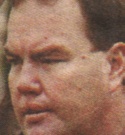
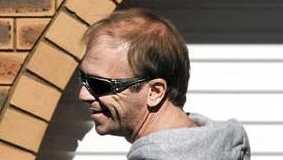
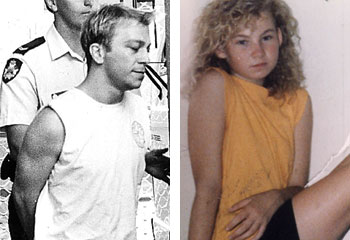
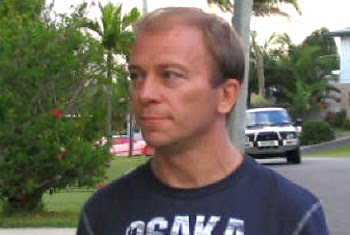
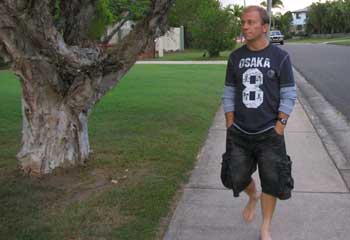
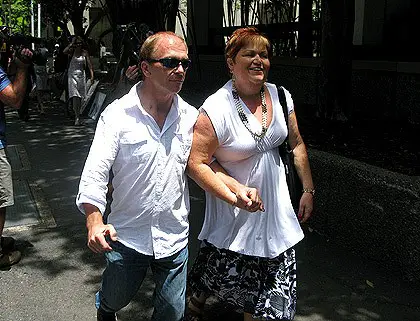
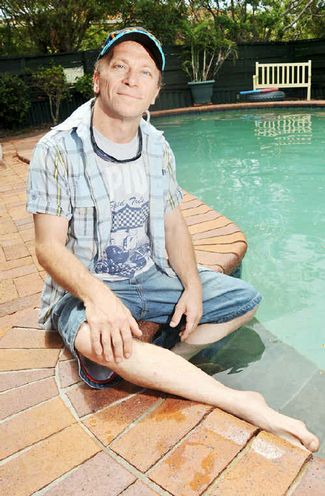
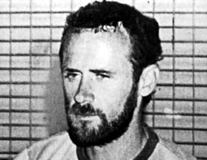
Graham Stuart Stafford, a British-born metal worker who migrated to Australia in 1969, was living in Goodna, Queensland, at the time of the incident. He was the live-in partner of Melissa Holland, the older sister of the victim, Leanne Sarah Holland.
2. Crime Spree
Leanne Sarah Holland, aged 12, went missing in September 1991. Her body was discovered three days later in Redbank Plains, showing signs of severe mutilation and potential sexual interference. The prosecution alleged Stafford killed her in their shared home.
3. Investigation and Arrest
The case against Stafford relied heavily on forensic evidence, including bloodstains in his car boot and a missing hammer. Subsequent reviews by private investigators and legal experts revealed that the forensic evidence was highly questionable, and police had ignored alternative leads, such as reports of a blood-stained man seen near the crime scene.
4. Legal Proceedings and Outcome
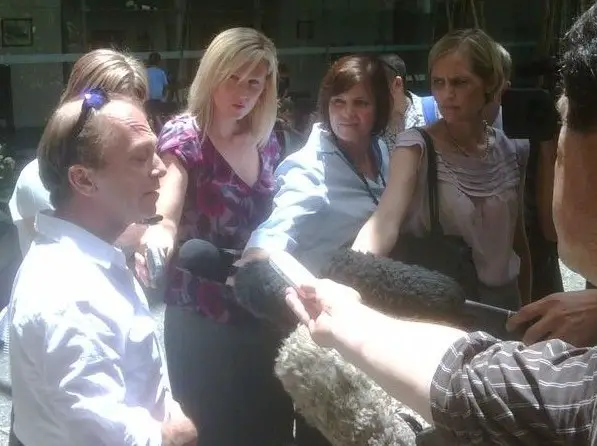
Stafford was convicted in 1992 and served 14 years in prison. Following a long legal battle and the presentation of new evidence, the Queensland Court of Appeal quashed his conviction in 2009. In 2010, the Director of Public Prosecutions announced there would be no retrial.
5. Forensic Conclusion
Graham Stafford's case remains a landmark study in Australian legal history regarding the dangers of tunnel vision in police investigations and the necessity of rigorous forensic re-evaluation.