




Forensic & Criminological Matrix
| Parameter | Forensic Detail |
|---|---|
| Forensic Heading / Aliases | The Curry Killer |
| Legal Identity | Lakhvir Kaur Singh |
| Confirmed Victims | 1 deceased (Lakhvinder Cheema), 1 severe intoxication (Gurjeet Choongh) |
| Active Timeline | December 2008 – January 27, 2009 |
| Jurisdiction / Area of Operations | Southall and Feltham, West London, United Kingdom |
| Criminological Classification | Passion-motivated retaliatory murderer / Poisoner |
| Forensic Modus Operandi | Subreptitious adulteration of refrigerated food (curry) using a rare plant alkaloid imported from abroad, demonstrating high premeditation |
| Weapon / Mechanism of Death | Aconitine / Bikh (derived from Aconitum ferox) |
| Motive / Behavioral Dynamics | Extreme jealousy, possessiveness, and revenge following romantic rejection |
| Judicial Outcome | Life imprisonment with a minimum term of 23 years (Old Bailey, 2010) |
1. Background and Profile
Lakhvir Kaur Singh engaged in a clandestine sixteen-year affair with Lakhvinder 'Lucky' Cheema, which began after Cheema rented a room in her family home in Southall, West London. Trapped in an arranged marriage, Singh developed an obsessive dependency and proprietary attitude toward Cheema. When Cheema terminated the relationship in October 2008 to marry twenty-one-year-old Gurjeet Choongh, Singh exhibited severe signs of pathological jealousy, obsessive fixation, and deep resentment.
2. Crime Spree and Modus Operandi
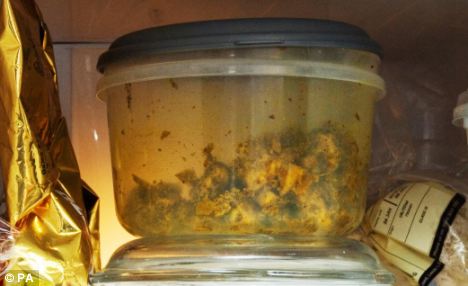
Driven by revenge, Singh traveled to India to procure aconitine, a lethal plant alkaloid historically known as wolfsbane or the 'Queen of Poisons'. On January 27, 2009, she surreptitiously entered Cheema's residence in Feltham and laced a container of chicken curry in the refrigerator. That evening, Cheema and his fiancée consumed the meal. The toxin acted rapidly, inducing severe neuromuscular paralysis, numbness, paresthesia (the sensation of insects crawling on the skin), organ failure, and asphyxiation, while leaving the victims conscious throughout their ordeal. Cheema died shortly after hospital admission, whereas Choongh survived after entering an induced coma due to consuming a smaller quantity.
3. Investigation and Forensics
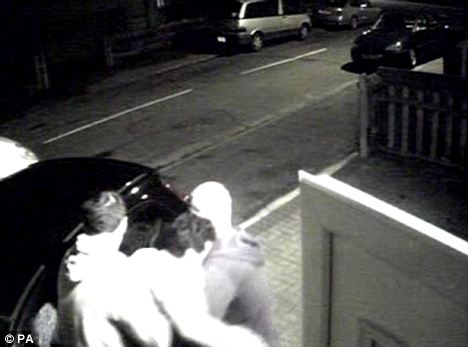
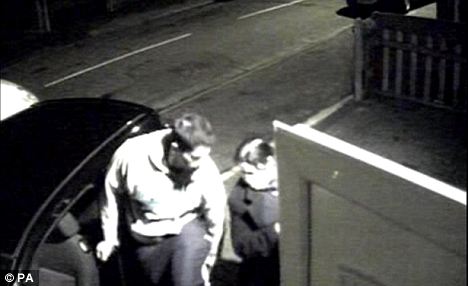
The investigation commenced immediately after Cheema named his ex-girlfriend during an emergency call prior to expiring. Forensic analysis uncovered crucial physical evidence: a plastic bag containing brown powder found in Singh's coat matched the aconitine recovered from the food and biological samples. Eyewitness accounts from residents confirmed Singh's unauthorized presence at the victim's apartment on the day of the poisoning.
4. Legal Proceedings and Outcome
The trial took place at the Old Bailey in 2010. Despite attempts to frame a relative, the overwhelming toxicological and circumstantial evidence secured her conviction. On February 10, 2010, Justice Paul Worsley sentenced Singh to life imprisonment with a minimum term of 23 years for murder and grievous bodily harm with intent, marking a rare modern British prosecution involving aconitine poisoning.
5. Psychiatric Evaluation and Final Disposition
Psychiatric evaluations confirmed that Singh was fully sane and criminally responsible, acting out of calculated malice rather than an impulsive emotional outburst. The court emphasized the extreme cruelty and premeditation of her actions, resulting in her ongoing incarceration within the British prison system.