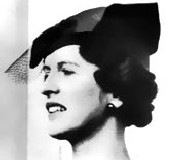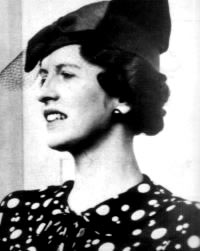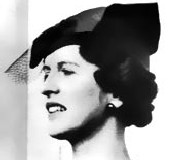






Forensic & Criminological Matrix
| Parameter | Forensic Detail |
|---|---|
| Forensic Heading / Aliases | Florence Ransom |
| Legal Identity | Florence Iris Ouida Ransom |
| Confirmed Victims | 3 (Mrs. Fisher, Dorothy Fisher, Charlotte Saunders) |
| Active Timeline | July 9, 1940 |
| Jurisdiction / Area of Operations | Matfield, Kent, United Kingdom |
| Criminological Classification | Passion homicide / Severe psychiatric instability |
| Forensic Modus Operandi | Use of an illicitly borrowed shotgun, ambush attacks from behind in rural domestic settings during tea preparation |
| Weapon / Mechanism of Death | Sawn-off hunting shotgun / firearm projectiles |
| Motive / Behavioral Dynamics | Pathological jealousy and obsession regarding her lover's family ties |
| Judicial Outcome | Sentenced to death at the Old Bailey (November 1940), commuted to indefinite psychiatric confinement at Broadmoor due to insanity |
1. Background and Profile
Florence Iris Ouida Ransom was a financially secure woman who owned a farm in Oxfordshire. Described by contemporary witnesses and forensic examiners as physically striking with red hair and a brooding, piercing gaze, she suffered from a long-standing history of severe mental instability and had previously been a voluntary psychiatric patient on multiple occasions.
Ransom was romantically involved with a married man, Mr. Fisher, who had separated from his wife and moved into Ransom's farm. However, Fisher's ongoing paternal and financial attentions toward his estranged wife and daughter—who lived in a rural cottage in Matfield, Kent, to escape the initial bombings of the Blitz—triggered an escalating pattern of obsessive and delusional jealousy within Ransom.
2. Crime Spree
On July 8, 1940, Ransom borrowed a shotgun from her brother under the pretext of hunting rabbits and traveled by train to London, eventually reaching Kent. On the afternoon of July 9, carrying the weapon wrapped in brown paper, she approached the cottage where Mrs. Fisher and her daughter Dorothy resided.
After entering under the guise of social cordiality, suggested by the tea preparations found by investigators, Ransom ambushed and shot both women in the back in the garden. Upon discovering the housekeeper, Charlotte Saunders, fleeing through an adjacent coppice, Ransom hunted her down and blew away half her skull at point-blank range. The attacks required multiple reloads, masked acoustically by nearby military training drills.
3. Investigation and Arrest
Scotland Yard investigators quickly identified the primary forensic clue left at the scene: a white leather woman's glove dropped during the frantic escape. Laboratory analysis definitively linked the glove to Florence Ransom.
Combined with railway porter testimonies and taxi driver accounts tracking her movements between Aylesbury, Tonbridge, and London, police secured an airtight circumstantial case. The total absence of theft ruled out robbery, pointing unequivocally to a targeted emotional execution.
4. Legal Proceedings and Outcome
Ransom was arrested and subjected to intense cross-examination at the Old Bailey in November 1940, enduring hours of questioning with chilling composure despite her fragile mental state. Her trial coincided with the height of Britain's invasion scare, muting public awareness.
Her defense claimed complete memory blackout during the perpetration of the murders. Lacking immediate formal medical attestation of insanity at the opening of the trial, Mr. Justice Tucker had no judicial alternative under current statutes but to sentence her to death by hanging.
5. Psychiatric Evaluation and Final Disposition
Capital punishment was averted when subsequent rigorous psychiatric evaluations confirmed Ransom's profound clinical insanity at the time of the offenses. Her sentence was successfully commuted, and she was transferred to Broadmoor Hospital, where she remained institutionalized under maximum forensic psychiatric security for the remainder of her life.