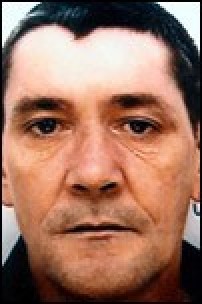
Forensic & Criminological Matrix
| Parameter | Forensic Detail |
|---|---|
| Forensic Heading / Aliases | Edith McAlinden |
| Legal Identity | Edith McAlinden |
| Confirmed Victims | 3 |
| Active Timeline | 2005 |
| Jurisdiction / Area of Operations | Glasgow, Scotland, United Kingdom |
| Criminological Classification | Multiple Homicide Offender |
| Forensic Modus Operandi | Extreme physical assault using makeshift weapons in a closed domestic environment |
| Weapon / Mechanism of Death | Edged weapons and blunt force trauma |
| Motive / Behavioral Dynamics | Interpersonal dispute, substance abuse, loss of behavioral control |
| Judicial Outcome | Life imprisonment with a mandatory minimum term |
1. Background and Psychopathy
Edith McAlinden is a British offender whose life in Glasgow was characterized by social instability and severe substance abuse. Operating within marginalized social circles, her behavioral patterns deteriorated into chronic interpersonal conflict, ultimately culminating in a catastrophic act of extreme violence.
2. Crime Spree
In 2005, McAlinden committed a triple homicide during a violent altercation inside a residential property. The modus operandi involved overwhelming physical force and the use of accessible weapons, resulting in fatal trauma inflicted upon three distinct victims in a single, concentrated event.
3. Investigation and Arrest
Emergency services and forensic investigators responded to reports of a violent disturbance in Glasgow. The crime scene yielded immediate physical and biological evidence that directly connected McAlinden to the murders, leading to her swift apprehension by law enforcement.
4. Legal Proceedings and Outcome
McAlinden faced prosecution in the Scottish courts, where forensic pathology reports and circumstantial evidence established her direct culpability. The judicial process concluded with her conviction on multiple counts of murder and a mandatory life sentence.
5. Psychiatric Evaluation and Final Disposition
Psychiatric evaluations confirmed that despite underlying behavioral issues and substance abuse, McAlinden possessed full cognitive awareness and criminal responsibility during the commission of the offenses. She remains incarcerated in a high-security penal facility.