Forensic & Criminological Matrix
| Parameter | Forensic Detail |
|---|---|
| Forensic Heading / Aliases | N/A |
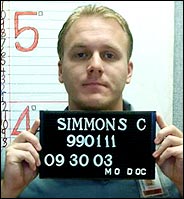
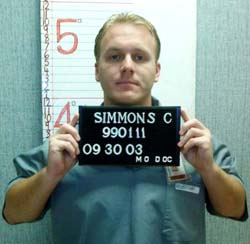
| Legal Identity | Christopher Lee Simmons |
| Confirmed Victims | 1 |
| Attributed / Indicted Victims | 1 |
| Active Timeline | 1993 |
| Jurisdiction / Area of Operations | Fenton, Missouri, USA |
| Criminological Classification | Juvenile offender / Violent criminal |
| Forensic Modus Operandi | Kidnapping, binding, and drowning |
| Weapon / Mechanism of Death | Duct tape, electrical cables, and bridge fall |
| Motive / Behavioral Dynamics | Robbery and perceived juvenile immunity |
| Judicial Outcome | Life imprisonment without parole |
1. Background and Psychopathy
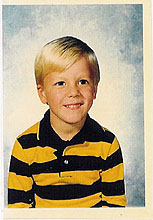
Born in 1976, Christopher Lee Simmons grew up in an abusive environment. Clinical evaluations noted a history of physical and mental abuse by his stepfather, contributing to his development of schizotypal personality disorder and substance abuse issues.
2. Crime Spree
In September 1993, Simmons conspired with two friends to rob and murder Shirley Crook. The plan was executed with cold precision: they broke into her home, bound her with duct tape and electrical wires, and threw her from a railroad trestle into the Meramec River, where she drowned.
3. Investigation and Arrest
Simmons was arrested on September 10, 1993. His confession and a videotaped reenactment provided overwhelming evidence of premeditation, leading to a swift conviction.
4. Legal Proceedings and Outcome
Initially sentenced to death, Simmons' case became the catalyst for the 2005 U.S. Supreme Court decision Roper v. Simmons. The Court held that executing individuals for crimes committed as juveniles violates the Eighth Amendment, resulting in his sentence being reduced to life without parole.