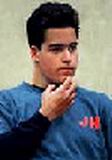




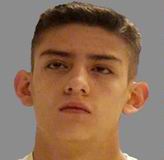
Forensic & Criminological Matrix
| Parameter | Forensic Detail |
|---|---|
| Forensic Heading / Aliases | Joshua Jenkins |
| Legal Identity | Joshua Bradley Jenkins |
| Confirmed Victims | 5 |
| Attributed / Indicted Victims | 5 |
| Active Timeline | 1996 |
| Jurisdiction / Area of Operations | Vista, California, USA |
| Criminological Classification | Mass Murderer |
| Forensic Modus Operandi | Blunt force trauma, stabbing, and arson |
| Weapon / Mechanism of Death | Hammer, kitchen knife, axe, and fire |
| Motive / Behavioral Dynamics | Conduct disorder, narcissism, and extreme violence |
| Judicial Outcome | 112 years to life imprisonment without parole |
1. Background and Profile
Joshua Bradley Jenkins, born in 1979, had a documented history of mental health and behavioral issues since the age of five. Experts from the Clark County School District, including school psychologist Judith Skomars, had expressed concern over his developing behavioral problems. Jenkins exhibited signs of narcissism, deep-seated anger, and a preoccupation with violence throughout his youth.
2. Crime Spree
On February 3, 1996, during a family visit to a condominium in Vista, California, Jenkins murdered his adoptive parents, George and Alene Jenkins, and his grandparents, William and Evelyn Grossman. He used a hammer to inflict blunt force trauma and a kitchen knife to stab them. The following day, he murdered his 10-year-old sister, Megan Jenkins, with an axe. He then set several fires in the condo in an attempt to destroy evidence.
3. Investigation and Arrest
The investigation uncovered evidence of premeditation. Jenkins had previously asked a counselor at a school for disturbed youth about the most efficient way to kill someone. Following the murders, he attempted to flee to Las Vegas. Law enforcement successfully linked Jenkins to the crime scene, effectively dismantling his attempt to cover his tracks through arson.
4. Legal Proceedings and Outcome
Jenkins was arrested and faced trial. His defense team attempted to plead insanity, relying on testimony from several psychiatrists. However, Assistant District Attorney Mark Pettine argued that the evidence proved Jenkins planned the crimes, executed them, and attempted to cover them up. Forensic psychiatrist Park Dietz testified that while Jenkins might suffer from schizophrenia, he was not legally insane at the time of the killings.
5. Psychiatric Evaluation and Sentencing
The jury rejected the insanity defense. Jenkins pleaded guilty to five counts of first-degree murder and one count of arson. He was sentenced to 112 years in prison without the possibility of parole.