Forensic & Criminological Matrix
| Parameter | Forensic Detail |
|---|---|
| Forensic Heading / Aliases | N/A |
| Legal Identity | Edward Paul Morris |
| Confirmed Victims | 4 |
| Attributed / Indicted Victims | 4 |
| Active Timeline | 2002 |
| Jurisdiction / Area of Operations | Tillamook State Forest, Oregon |
| Criminological Classification | Mass Murderer (Familicide) |
| Forensic Modus Operandi | Execution via firearm and bladed weapon |
| Weapon / Mechanism of Death | Firearm and knife |
| Motive / Behavioral Dynamics | Unknown |
| Judicial Outcome | Four consecutive life sentences |
1. Background and Profile
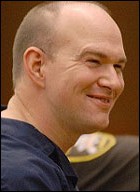
Edward Paul Morris (born 1965) was a resident of Portland, Oregon. Prior to the December 2002 massacre, he had no significant criminal record. The extreme nature of the violence directed at his immediate family suggests a severe psychological break or a calculated act of familicide.
2. Crime Spree
On December 21, 2002, Morris took his family to the Tillamook State Forest under the guise of a trip. At a pullout on Route 6, he shot his wife, Renee (31, seven months pregnant), and his two sons, Bryant (10) and Jonathan (4). He then drove his daughter, Alexis (8), to a secluded wooded area where he stabbed her over a dozen times. The bodies were discovered by hunters later that day.
3. Investigation and Arrest
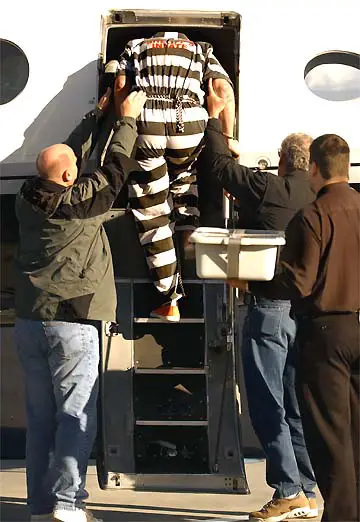
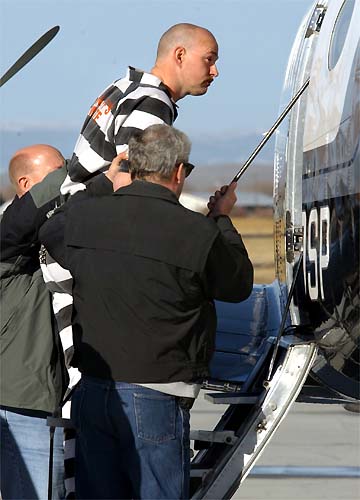
A nationwide manhunt ensued. Morris was last seen at a motel in The Dalles on December 20, using the alias "Jim Elliot." On January 3, 2003, siblings Linda and Thomas Martin spotted Morris in Baker City, Oregon. They alerted the police, who arrested him without incident outside a Rite Aid pharmacy.
4. Legal Proceedings and Outcome
Morris was charged with seven counts of aggravated murder. On September 20, 2004, he pleaded guilty to all counts. He was sentenced to four consecutive life terms in prison without the possibility of parole.
5. Psychiatric Assessment and Conclusion
Morris remains incarcerated. The motive for the killings remains largely unexplained, reflecting the cold, calculated nature of the crime. The case remains a significant point of study in Oregon's criminal history.