



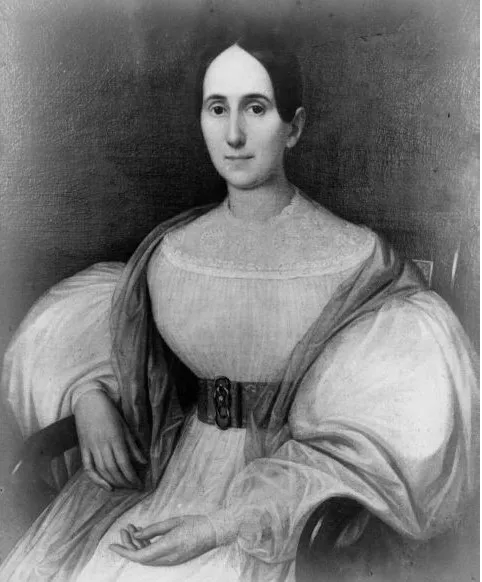
Forensic & Criminological Matrix
| Parameter | Forensic Detail |
|---|---|
| Forensic Heading / Aliases | The Derby Poisoner |
| Legal Identity | Lydia Danbury (Struck, Hurlbrut, Sherman) |
| Confirmed Victims | 8 (multiple children and three husbands) |
| Active Timeline | 1860 – 1871 |
| Jurisdiction / Area of Operations | New Jersey and Connecticut, United States |
| Criminological Classification | Serial killer / Domestic poisoner |
| Forensic Modus Operandi | Subreptitious administration of arsenic trioxide purchased locally, introduced into food and beverages to simulate natural pathologies. |
| Weapon / Mechanism of Death | Arsenic (rat poison) |
| Motive / Behavioral Dynamics | Financial gain through inheritances and life insurance policies; elimination of domestic burdens. |
| Judicial Outcome | Convicted of second-degree murder in 1872; sentenced to life imprisonment. Died in custody in 1878. |
1. Background and Profile
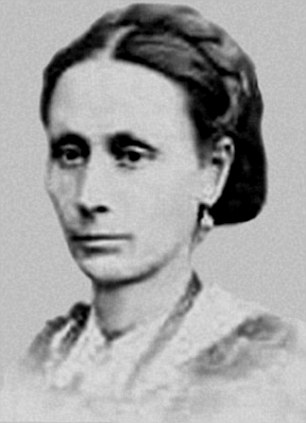
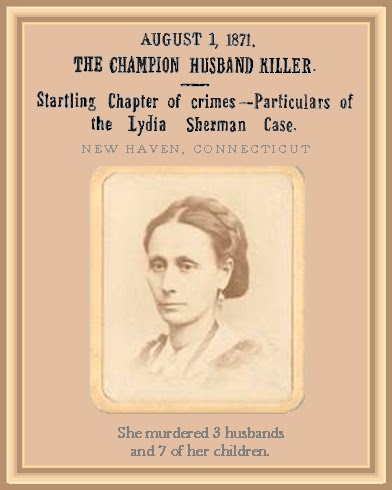
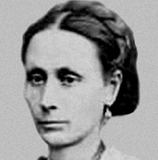
Lydia Sherman, born Lydia Danbury in Burlington, New Jersey, in 1824, became notorious in 19th-century American criminology as The Derby Poisoner. Her behavioral profile exhibits traits of a calculated domestic serial killer, characterized by a veneer of Victorian respectability, emotional detachment, and exceptional stealth in exploiting society's blind spots regarding female criminality.
2. Criminal Career and Modus Operandi
Sherman's lethal trajectory commenced in the early 1860s in New Jersey with her first husband, police officer Edward Struck. Overwhelmed by domestic responsibilities and six children, she purchased rat poison from a local apothecary. After insuring her husband's life for a modest payout, she administered arsenic. His death was accepted as natural. Between 1864 and 1868, all six of her children died suddenly under her care without official suspicion.
Following a brief marriage to wealthy farmer Dennis Hurlbrut in 1868—who died shortly after executing a will leaving his estate to her—Sherman moved to Connecticut. In 1870, she married Nelson Sherman, a widower. She subsequently eliminated his children and, on May 12, 1871, murdered Nelson Sherman by lacing his hot chocolate with arsenic.
3. Investigation and Arrest
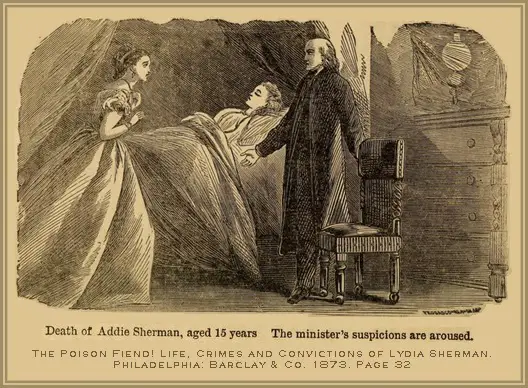
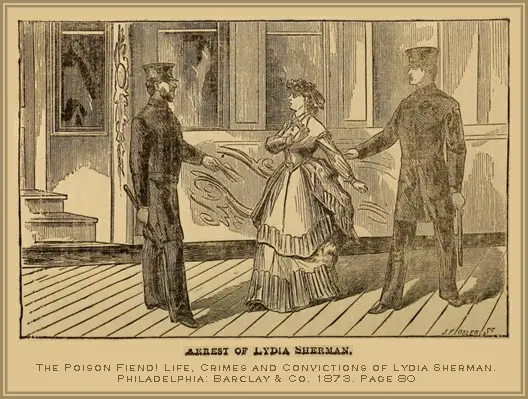
The high mortality rate within Sherman's household aroused the suspicions of local physician Dr. Beardsly. Following Nelson Sherman's death, Beardsly ordered toxicological second opinions and the exhumation of the Sherman children. Autopsies revealed lethal doses of arsenic. Investigators subsequently exhumed earlier victims, confirming widespread poisoning. Sherman fled to New York but was apprehended and extradited back to Connecticut to stand trial.
4. Legal Proceedings and Outcome
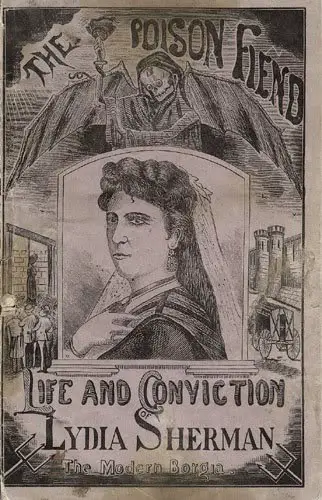
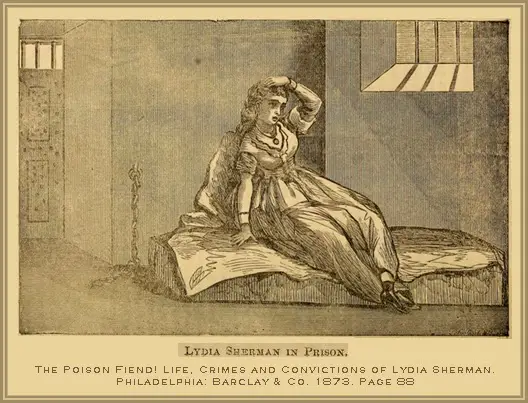
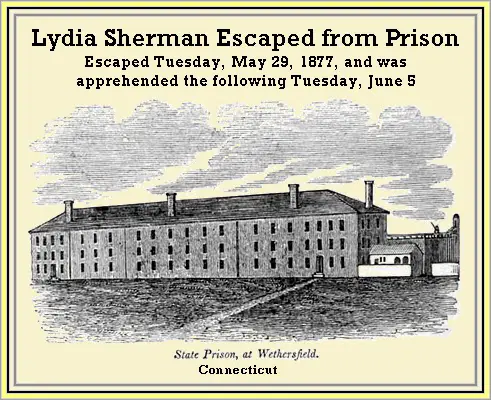
Sherman's 1872 trial was a landmark event in American legal history. Confronted primarily with circumstantial evidence and the limits of 19th-century forensic toxicology regarding decomposed remains, the jury convicted her of second-degree murder. She received a life sentence at Wethersfield State Prison. In 1877, she engineered a temporary escape by feigning illness and using clever disguises, but was recaptured. She died of cancer in prison on May 16, 1878.