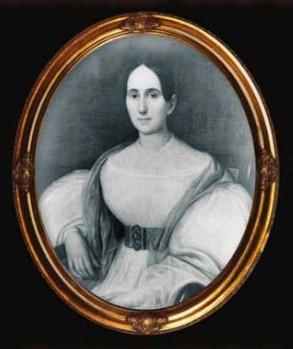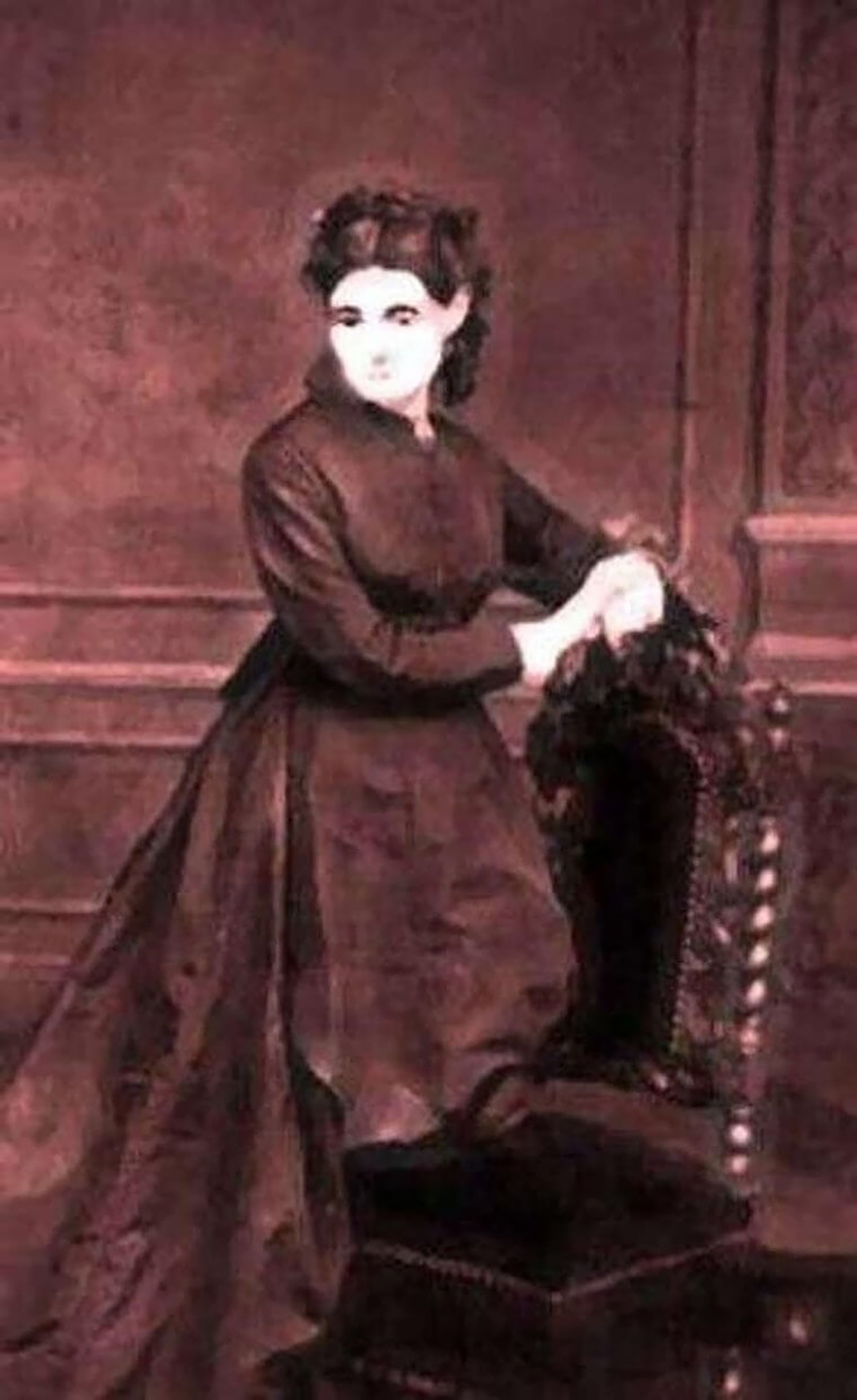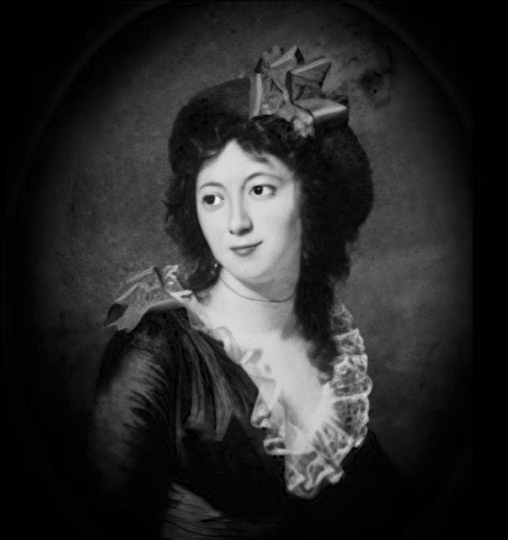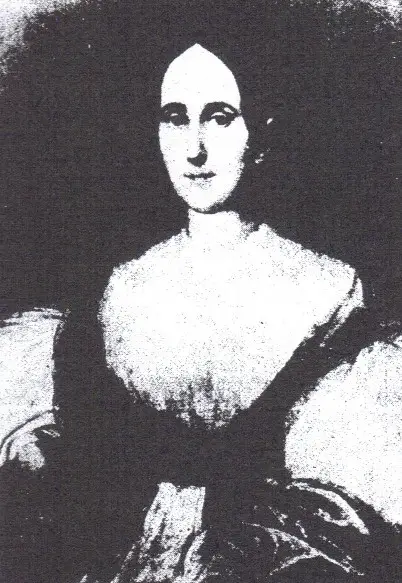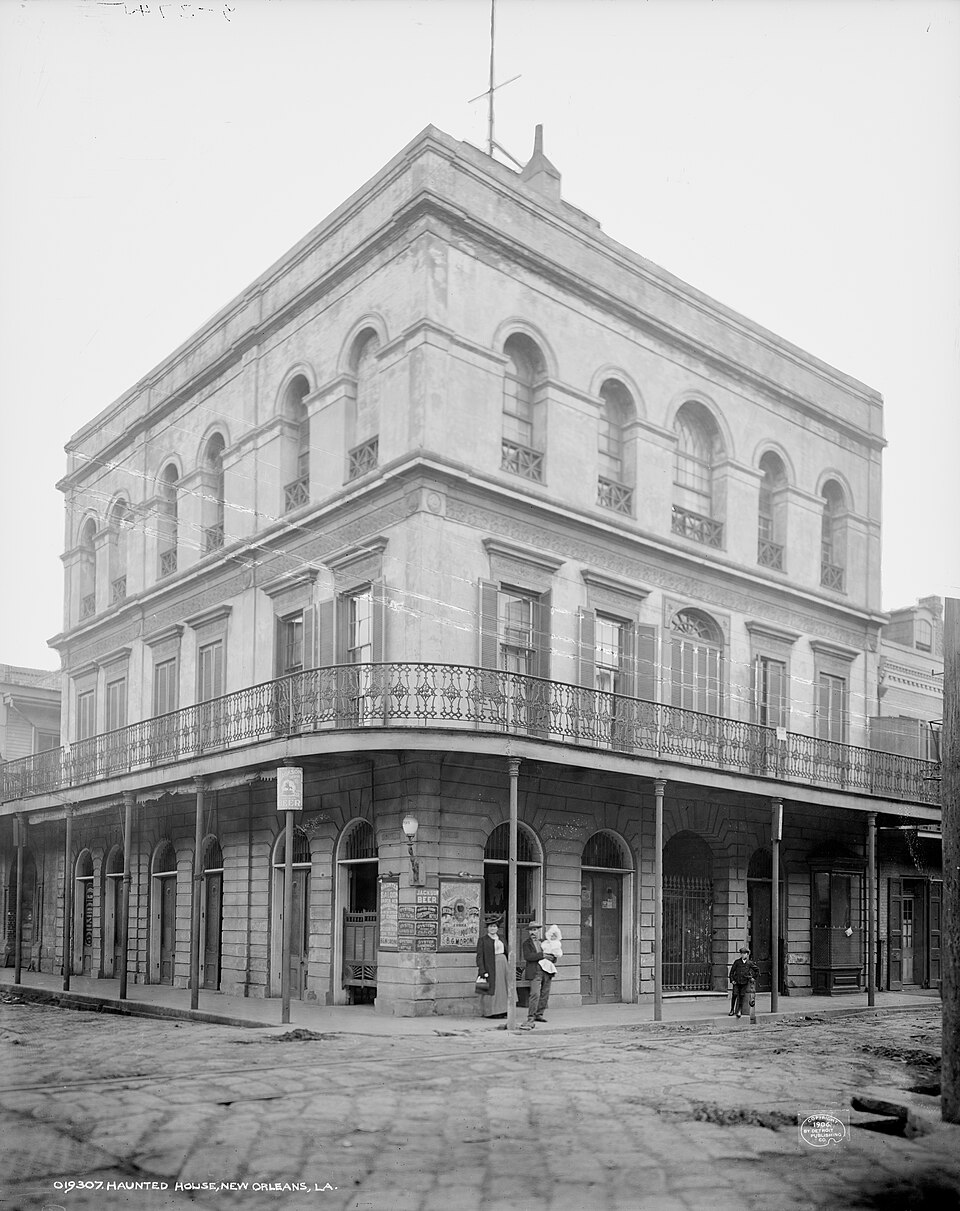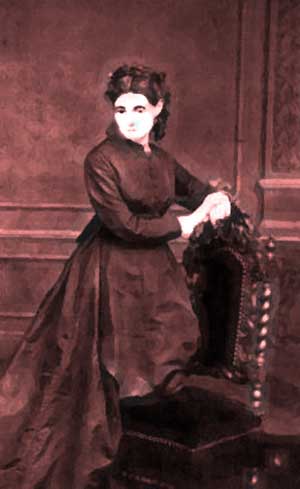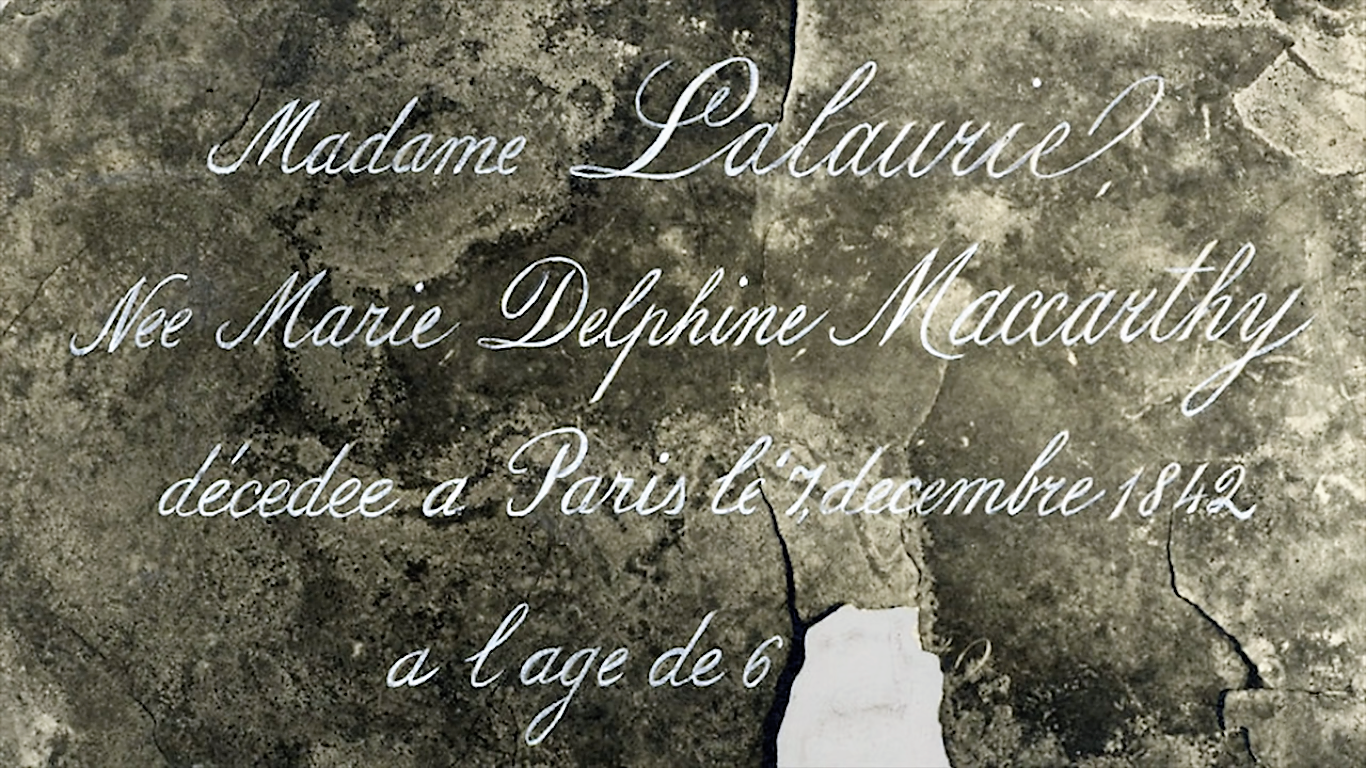



Madame Delphine Lalaurie: The Royal Street Torture Attic, the 1834 New Orleans Fire, and the Flight to Paris
Executive Summary
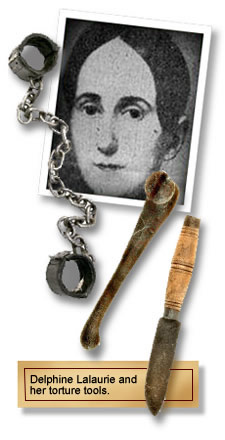
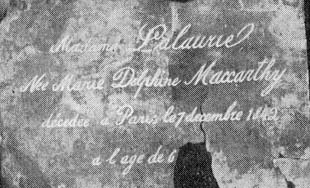
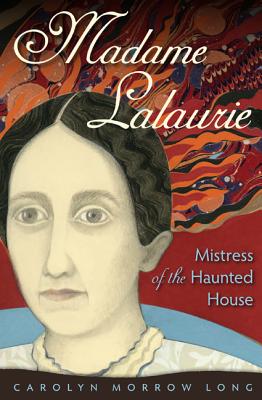
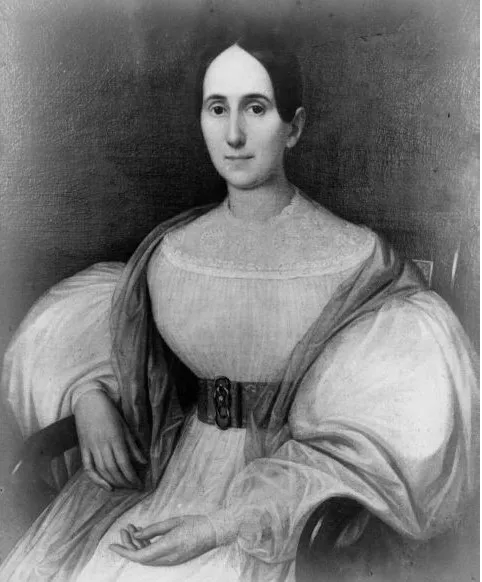
Marie Delphine Macarty (born March 19, 1787, in New Orleans; died December 7, 1842, in Paris, France), known throughout criminological history as Madame Lalaurie, was a wealthy Louisiana Creole socialite responsible for some of the most heinous, systemic acts of sadism, mutilation, and clandestine murder committed against enslaved persons in antebellum American history.
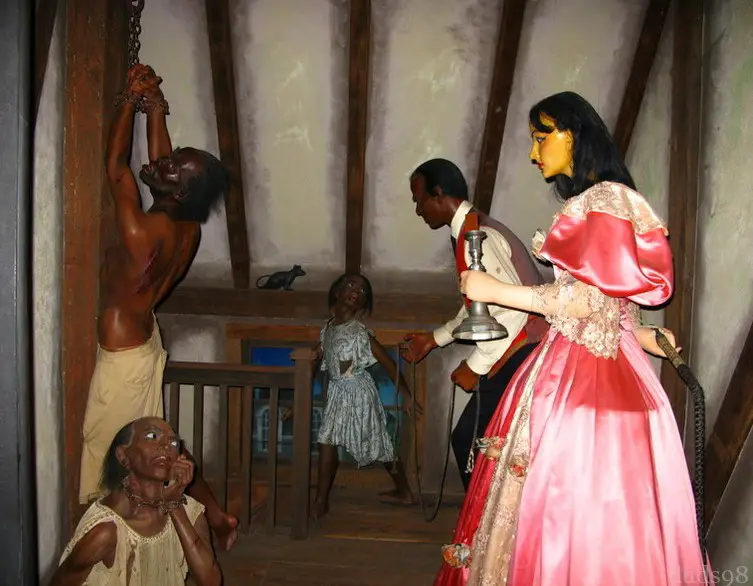
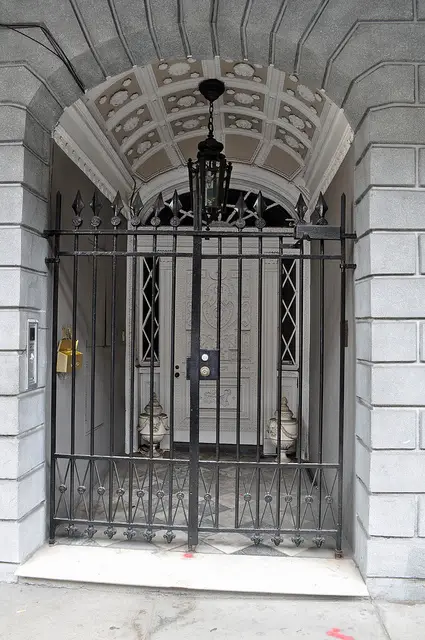
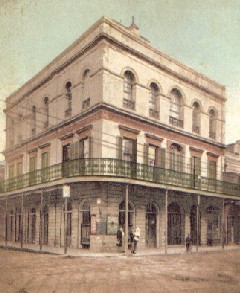
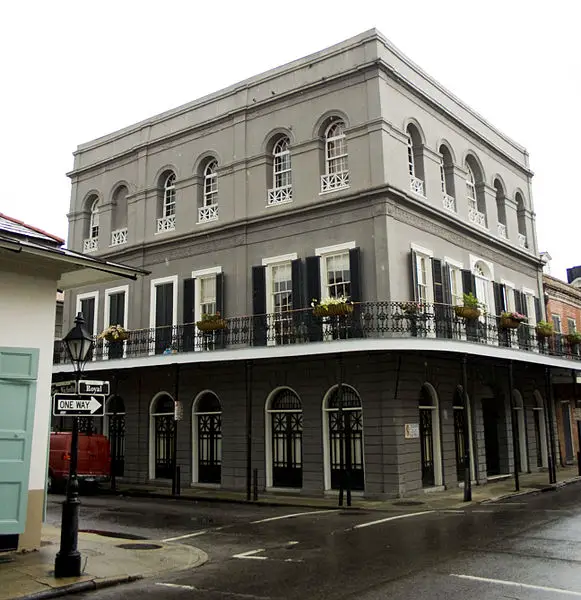
For decades, Madame Lalaurie operated within the pinnacle of New Orleans aristocratic society, projecting an image of courtly elegance and charitable beneficence. Behind the walls of her imposing three-story French Quarter mansion at 1140 Royal Street, however, she maintained a private torture chamber where dozens of enslaved domestic servants were subjected to extreme starvation, mechanical confinement, flogging, and horrifying surgical experimentation shielded by the legal impunity of chattel slavery.
Her double life collapsed on April 10, 1834, when an elderly enslaved cook, chained to the kitchen hearth, set fire to the building in a desperate suicide bid to escape being transferred to the attic. When volunteer firefighters and Judge Jean-François Canonge breached the locked attic doors, they discovered seven emaciated, mutilated slaves wearing spiked iron collars, suspended from rafters, and exhibiting evidence of sadistic vivisection. The revelations provoked an armed civilian uprising: an outraged mob ransacked the mansion while Delphine Lalaurie narrowly escaped by carriage, fleeing via ship to France, where she lived until her death in Paris in 1842.
Forensic Technical Matrix
| Parameter | Forensic Detail |
|---|---|
| Legal Identity | Marie Delphine Macarty (López y Angulo / Blanque / Lalaurie) |
| Public Name | Madame Delphine Lalaurie |
| Criminological Aliases | «The Beast of Royal Street», «The Savage Mistress of New Orleans» |
| Date of Birth | March 19, 1787 (New Orleans, Spanish Louisiana) |
| Date of Death | December 7, 1842 (Paris, Kingdom of France; age 55) |
| Vital & Legal Status | Deceased in exile (Fugitive / Deceased); never brought to trial |
| Criminological Classification | Serial sadistic torturer / Slaveholding mass abuser with despotic psychopathy |
| Confirmed Fatal Victims | At least 10 documented deaths (fatal beatings, roof leaps, and attic starvation) |
| Suspected Victims | Several dozen unrecorded enslaved domestic workers |
| Primary Modus Operandi | Attic confinement, iron bondage with inward spikes, limb mutilation, starvation, and systematic whipping |
| Primary Motive | Sadistic omnipotence, tyrannical dominance, and racialized psychopathic cruelty |
| Geographic Scene | Lalaurie Mansion, 1140 Royal Street, French Quarter (Vieux Carré), New Orleans, Louisiana |
| Investigative Official | New Orleans Municipal Magistrate, Judge Jean-François Canonge |
| Case Outcome | Evaded arrest via transatlantic maritime escape; mansion ransacked by citizen mob |
Creole Aristocracy and Social Ascendancy (1787–1831)
Delphine Macarty was born into a powerful Franco-Irish planter and merchant dynasty in colonial New Orleans:
- In 1800, she married Spanish diplomat Don Ramón de López y Angulo, Knight of the Royal Order of Charles III and Consul General of Spain in Louisiana, who died in Havana during an 1804 transatlantic journey.
- In 1808, she married prominent banker, lawyer, and state legislator Jean Blanque, expanding her fortune and slave holdings. Following Blanque's death in 1816, she married in 1825 French physician Leonard Louis Nicolas Lalaurie, who was substantially younger than she.
- In 1831, the couple constructed an opulent neoclassical townhouse at 1140 Royal Street. Featuring Italian marble, mahogany balustrades, and imported crystal chandeliers, Madame Lalaurie became the premier hostess of the Vieux Carré, entertaining senators, foreign dignitaries, and plantation elites.
Early Suspicions and the Leah Roof Incident (1832–1833)
Despite her public grace, neighbors began noticing distressing anomalies:
- Slaves serving at the Lalaurie estate appeared perpetually gaunt, terrified, and bore distinct whip lacerations.
- In 1833, an adjacent neighbor witnessed a horrifying scene: Madame Lalaurie, brandishing a cowhide whip, chased an eight-year-old enslaved housemaid named Leah across the courtyard and onto the roof (the girl had allegedly snagged a comb in Delphine's hair). In sheer terror, Leah plunged from the roof to the flagstone courtyard below, dying instantly.
- The girl's body was buried clandestinely on the grounds. Following neighbor complaints, an investigation by local authorities resulted in a nominal fine and a forced auction of nine slaves; however, Delphine utilized relatives as straw purchasers to immediately buy back the servants and return them to her custody.
The Fire of April 10, 1834, and the Attic Chamber
On the morning of April 10, 1834, fire broke out in the Royal Street mansion:
- The Chained Cook: Responders entering the kitchen discovered a 70-year-old enslaved cook shackled by an iron collar to the oven. She confessed to lighting the fire intentionally to end her life, terrified that she was slated for punishment in the attic, from which no slave ever returned.
- Breaching the Locked Attic: When Dr. Lalaurie refused to surrender the attic keys, claiming private domestic autonomy, Magistrate Jean-François Canonge and a group of citizens battered down the door with axes.
- Forensic Observations: The attic presented a nightmarish spectacle:
- Seven enslaved men and women were discovered bound to walls and floor joists by rusted chains and iron collars equipped with inward-pointing spikes that forced victims to keep their heads rigid.
- Victims suffered from severe limb deformities resulting from intentionally broken bones that had set improperly, open surgical gashes, eye gougings, and sewn-together lips to stifle cries.
- Several victims testified that they had been imprisoned in darkness for months, subjected to constant beatings, flaying, and deprivation of water and nourishment.
Citizen Uprising, Manhunt Evasion, and Parisian Exile
The horrific revelation shook New Orleans society to its foundation:
- Rescued victims were transferred to the city jail hospital for emergency medical intervention and nourishment, where over 4,000 citizens viewed their injuries to confirm the reality of the atrocities.
- An enraged mob converged on Royal Street, overwhelming the guard, ransacking the lavish furnishings, smashing ornate fixtures, and stripping the mansion to its bare brick skeleton.
- The Flight: As the mob formed, Delphine Lalaurie's carriage driver dashed through the rear stables. The couple fled along Lake Pontchartrain, boarded a schooner to Mobile, Alabama, and sailed to Veracruz, Mexico, eventually securing passage to Paris.
- While sensational folklore claimed she met violent ends in various locales, official municipal death records in the Paris National Archives confirmed that Marie Delphine Macarty died of natural causes in Paris on December 7, 1842, at the age of 55.