



Forensic & Criminological Matrix
| Parameter | Forensic Detail |
|---|---|
| Forensic Heading / Aliases | N/A |
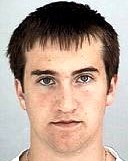
| Legal Identity | Adam James Sapikowski |
| Confirmed Victims | 2 |
| Attributed / Indicted Victims | 2 |
| Active Timeline | April 2005 |
| Jurisdiction / Area of Operations | Chapel Hill, North Carolina, USA |
| Criminological Classification | Parricide / Juvenile Offender |
| Forensic Modus Operandi | Execution via firearm (.410 shotgun) at close range |
| Weapon / Mechanism of Death | .410-gauge shotgun |
| Motive / Behavioral Dynamics | Family conflict, alleged abuse, psychiatric instability |
| Judicial Outcome | Convicted of second-degree murder (consecutive sentences) |
1. Background and Psychopathy
Adam James Sapikowski was a 16-year-old student residing in an affluent neighborhood in Chapel Hill, North Carolina. The son of James and Alison Sapikowski, he lived in a home that appeared stable but was allegedly marked by physical and emotional abuse. Sapikowski had a documented history of mental health struggles, including suicidal ideation and PTSD symptoms.
2. Crime Spree
On April 28, 2005, Sapikowski shot and killed his parents with a .410-gauge shotgun. The bodies were discovered on May 14, 2005, wrapped in blankets and barricaded behind a door in the master suite. In the interim, Sapikowski maintained a facade of normalcy, attending his junior prom and hosting social gatherings at the home while the bodies decomposed.
3. Investigation and Arrest
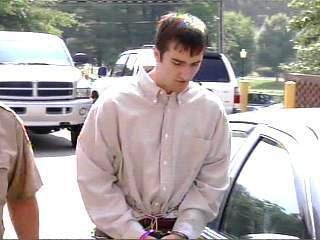
Police were alerted by concerned relatives. Upon entering the residence, investigators discovered the bodies in a state of decomposition. Sapikowski was apprehended at a hotel in Durham, where he initially provided false statements regarding his parents' whereabouts.
4. Legal Proceedings and Outcome
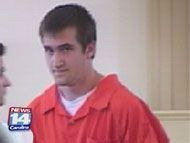
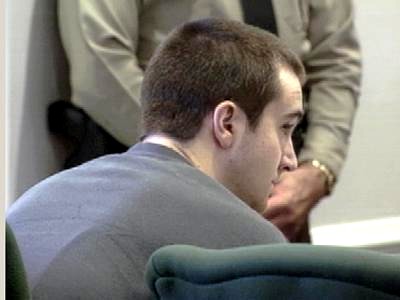
Charged as an adult, Sapikowski's defense team explored insanity and self-defense claims. In 2008, he entered a plea deal, pleading guilty to two counts of second-degree murder and obstruction of justice. He was sentenced to consecutive prison terms totaling over 40 years.
5. Psychiatric Evaluation and Conclusion
Psychiatric evaluations noted the defendant suffered from PTSD and auditory hallucinations. Despite these findings, he was deemed fit to stand trial and was subsequently incarcerated within the state prison system.