Forensic & Criminological Matrix
| Parameter | Forensic Detail |
|---|---|
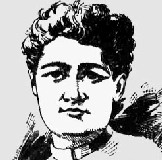
| Forensic Heading / Aliases | Patience Boston |
| Legal Identity | Patience Sampson (daughter of John Samson and Sarah Jethro) |
| Confirmed Victims | 1 (Benjamin Trot) |
| Active Timeline | July 9, 1734 |
| Jurisdiction / Area of Operations | Falmouth / Casco Bay and York, Maine, British Colonial America |
| Criminological Classification | Surrogate filicide / Domestic grievance offender |
| Forensic Modus Operandi | Luring a minor to an isolated hazard (water well), simulating an accident, and forcing submersion using a wooden pole |
| Weapon / Mechanism of Death | Water submersion / Mechanical asphyxia by drowning |
| Motive / Behavioral Dynamics | Severe behavioral disorders, chronic alcoholism, accumulated domestic resentment, and deep psychological instability |
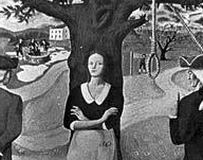
| Judicial Outcome | Sentenced to death by hanging in York, Maine, executed on July 24, 1735 |
1. Background and Profile
Patience Sampson, historically documented also as Patience Boston, was born on December 26, 1711, in Monamoy, near Chatham, Massachusetts. Orphaned of her mother at a young age, she was bound as an indentured servant to the Crow family by her father. Although given basic religious instruction, her youth was characterized by defiance, Sabbath-breaking, petty thefts, and repeated attempts at arson within her household. After completing her term of service, she married an African-American servant. During this period, she developed a severe alcohol dependency that fueled domestic violence, adultery, and problematic pregnancies marked by the tragic loss of infants.
2. Crime Spree and Modus Operandi
On July 9, 1734, while residing in Casco Bay, Maine, under the custody of master Joseph Bailey, Sampson orchestrated an attack against her master's grandson, Benjamin Trot, a child of approximately eight years old. Left alone with the minor, she lured him toward the property's well under the pretext of retrieving an intentionally discarded stick. Upon reaching the edge, she pushed the child inside and used a long wooden pole to keep him submerged until death by mechanical asphyxiation occurred. Her modus operandi lacked technical sophistication, relying instead on opportunistic isolation, physical proximity to the victim, and impulsive aggression driven by servitude-related frustrations.
3. Investigation and Forensic Hunt
Far from attempting concealment or flight, Sampson immediately left the crime scene and walked two miles to a neighboring residence to confess her actions in detail. She subsequently turned herself in to colonial authorities. Her background included a history of false confessions and fabulations under alcoholic influence—including previous claims of murdering her own infants, which physical examinations by local matrons disproved—initially creating judicial skepticism. However, the confirmed physical reality of the child's body in the well dispelled any doubt regarding this final confession.
4. Legal Proceedings and Outcome
Patience Sampson was remanded to the prison in York, Maine, where she awaited the convening of the colonial Supreme Court for several months. During incarceration, she underwent a profound religious conversion and spiritual awakening under the guidance of Puritan ministers Samuel and Joseph Moody. At her formal trial in 1735, she pleaded guilty to the murder charge. The court handed down a death sentence by hanging, rejecting clemency due to the deliberate and heinous nature of the homicide.
5. Psychiatric Assessment and Aftermath
From a retrospective criminological viewpoint, Sampson's profile aligns with severe externalizing behavior disorders, compounded by chronic substance abuse, childhood trauma, and the extreme pressures of the New England colonial indentured servitude system. Her emotional instability and attention-seeking behaviors culminated in proxy violence against a vulnerable family member. She was executed by hanging in York, Maine, on July 24, 1735, having fully reconciled with her religious faith and documented her spiritual testimony.