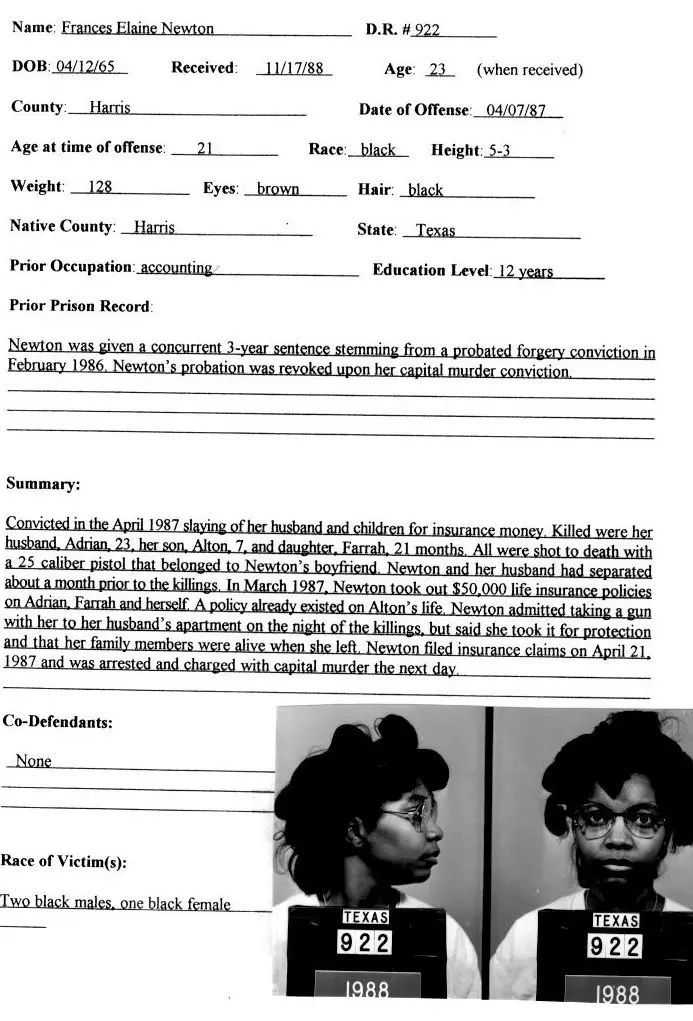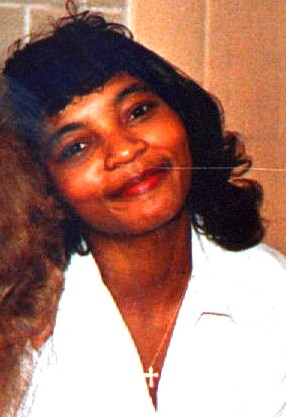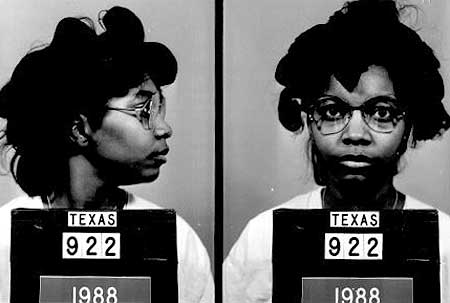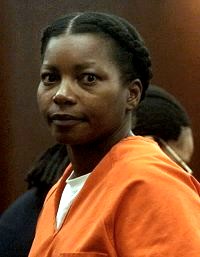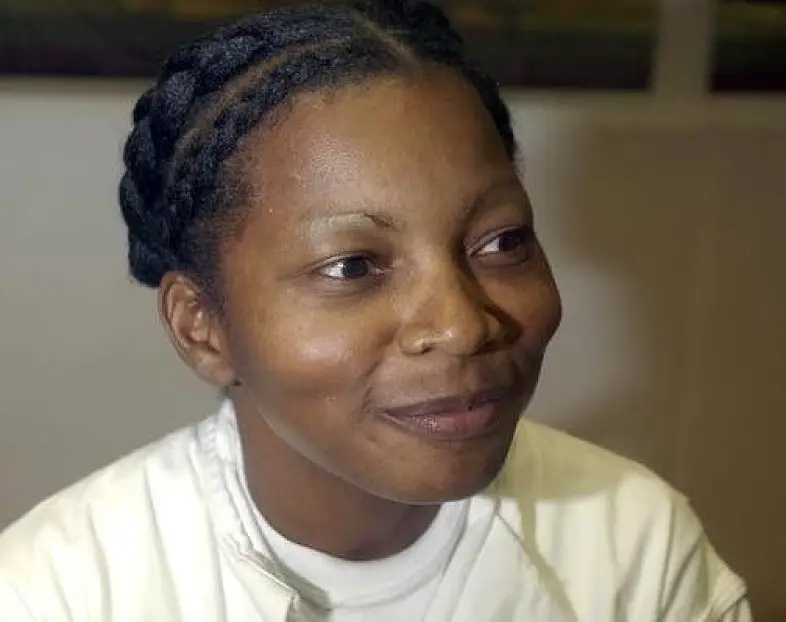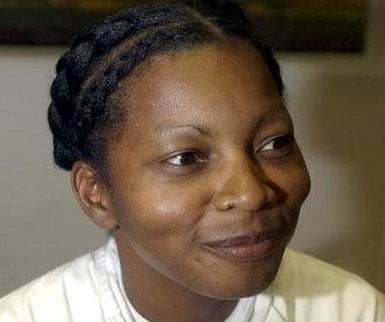




Forensic Profile Datasheet: Frances Elaine Newton
| Forensic Parameter | Evaluation Details |
|---|---|
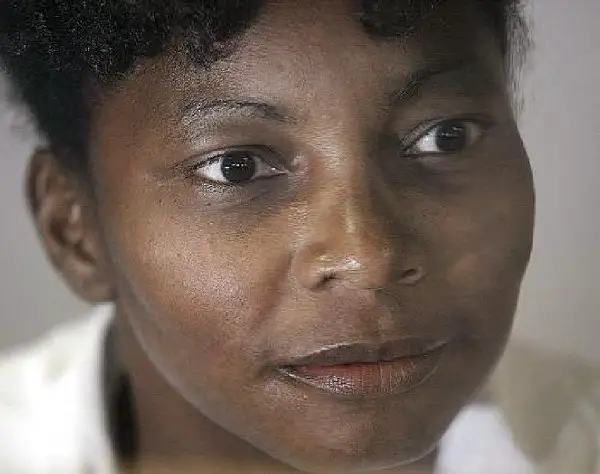
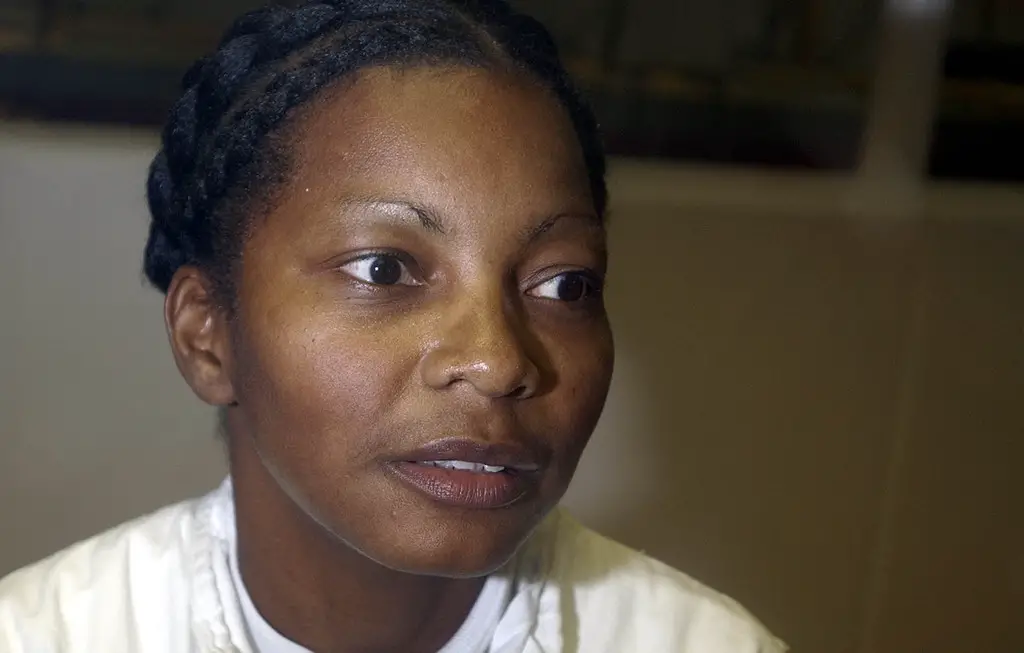
| Full Legal Name | Frances Elaine Newton |
| Criminological Classification | Spousal and multiple filial filicide / Insurance fraud murderer |
| Date & Place of Birth | April 12, 1965 — Harris County, Texas, United States |
| Date & Place of Execution | September 14, 2005 (aged 40) — Huntsville Unit, Huntsville, Texas |
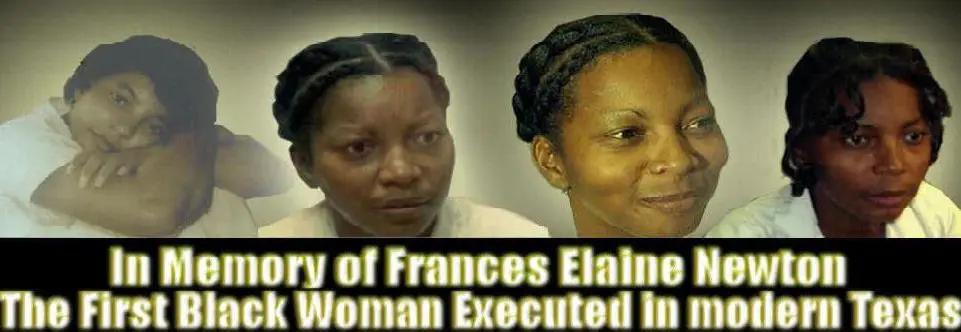
| Method of Execution | Lethal injection (first Black woman executed in Texas since 1858) |
| Confirmed Fatalities | 3 victims: Adrian Newton (aged 23, husband), Alton Newton (aged 7, son), and Farrah Elaine Newton (aged 21 months, daughter) |
| Date of the Crime | April 7, 1987 |
| Crime Scene | Victoria Square Apartments, Southeast Houston, Texas |
| Weapon Deployed | Raven Arms .25 caliber semi-automatic pistol |
| Medical Cause of Death | Gunshot wounds to the head and thorax at point-blank range |
| Financial Motive | Three life insurance policies totaling $100,000 fraudulently issued weeks prior |
| Appellate Controversies | Ineffective assistance of counsel by court-appointed attorney Ron Mock, and systemic irregularities at the Houston Police Department (HPD) Crime Lab |
Domestic Background and Life Insurance Policies
Frances Elaine Newton married young to Adrian Newton, a 23-year-old delivery driver, residing with their two children—seven-year-old Alton and 21-month-old Farrah Elaine—in an apartment complex in Victoria Square, Houston, Texas.
By the spring of 1987, the household stood under crushing financial instability: rent payments were severely delinquent, the family car was marked for repossession, and Adrian struggled with chronic drug habits. Both spouses engaged in extramarital affairs; Frances maintained a clandestine relationship with an acquaintance, Michael Kelley.
In March 1987, roughly three weeks before the murders, Frances visited an insurance brokerage and took out three separate life insurance policies covering Adrian ($50,000), infant Farrah ($50,000), and herself, designating herself as the sole primary beneficiary. Forensic handwriting analysts subsequently established that Frances forged her husband's signature across the policy enrollment documents.
The Victoria Square Executions (April 7, 1987)
On the late afternoon of April 7, 1987, between 5:30 and 6:30 p.m., Frances Newton systematically carried out the executions of her husband and children.
Finding Adrian fast asleep on the living room sofa, she raised a .25 caliber Raven Arms semi-automatic pistol and fired a point-blank round into his head. She then walked into the children's bedroom: she shot seven-year-old Alton three times in the chest and head as he lay in bed, and finally approached 21-month-old Farrah, discharging a bullet into the toddler's chest through the torso of a plush stuffed doll.
Following the killings, Frances stashed the handgun inside a blue plastic bag, drove to an abandoned residence belonging to a relative, and discarded the weapon into a storage container. Hours later, she returned with an unsuspecting female friend, entered the apartment, and staged a scene of hysterics, screaming that she had just discovered her family murdered.
Ballistics, Gunshot Residue, and Arrest
When Houston Police Department homicide detectives arrived, Newton asserted that Colombian or neighborhood drug dealers had executed her family over a $500 drug debt Adrian allegedly owed.
However, forensic evidence quickly contradicted her claims:
- Recovery of the Murder Weapon: Investigators retrieved the .25 caliber pistol from the exact abandoned shed identified by witnesses. Ballistic matching conclusively proved that the spent shell casings and extracted bullet fragments from all three victims had been fired from this specific gun. The firearm was traced to Michael Kelley, Newton's lover, who admitted lending it to her days prior.
- Gunshot Residue (GSR): Chemical testing on Newton's hands and skirt recovered heavy concentrations of gunpowder nitrates consistent with having discharged firearms at close quarters.
- Premature Insurance Claims: Less than three weeks after the slayings, Frances contacted the insurance underwriter demanding immediate disbursement of the $100,000 settlement payout.
On April 22, 1987, Frances Newton was arrested and indicted on three counts of capital murder.
Legal Representation, Trial, and Capital Sentence
Newton was assigned court-appointed defense attorney Ron Mock, an attorney later disbarred in Texas after accumulating one of the most egregious disciplinary records in state legal history, with multiple death-row clients alleging zero pretrial investigation.
Mock failed to interview alibi witnesses, conducted no independent ballistic testing, and offered virtually no defense against the prosecution's forensic timeline. At her 1988 trial, Harris County prosecutors presented an airtight circumstantial case: the forged insurance documents, the recovered murder weapon, the gunshot residue on her clothes, and her financial desperation.
The jury returned a unanimous guilty verdict and sentenced Frances Elaine Newton to death.
Death Row Appeals and Execution
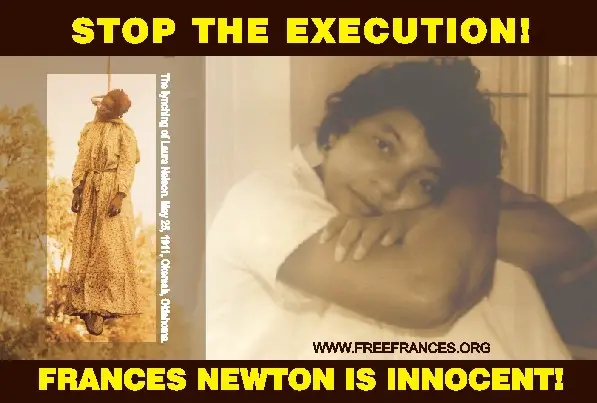
During seventeen years on death row at the Mountain View Unit in Gatesville, Texas, Newton persistently maintained her innocence.
In the early 2000s, civil rights appellate lawyers led by Professor David Dow secured international attention for her case, citing notorious evidentiary scandals and contamination at the Houston Police Department Crime Laboratory. In December 2004, Texas Governor Rick Perry granted a temporary 120-day reprieve to conduct advanced DNA and forensic ballistics re-evaluations. The resulting tests reaffirmed the state's case: blood stains on Newton's hem matched the DNA profiles of her husband and son, and microscopic ballistic markings re-confirmed the murder weapon.
With final appeals rejected by the Texas Board of Pardons and Paroles and the United States Supreme Court, Frances Elaine Newton was strapped to the gurney in the Huntsville death chamber on September 14, 2005. She was pronounced dead at 6:17 p.m. via lethal injection, marking the first execution of an African-American woman in Texas since the execution of an enslaved woman named Lucy in 1858.