



Forensic & Criminological Matrix
| Parameter | Forensic Detail |
|---|---|
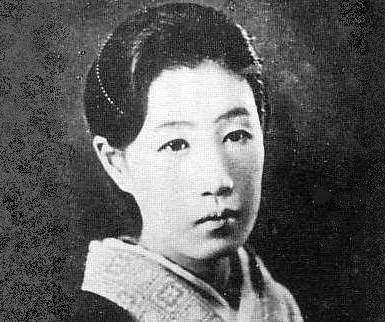
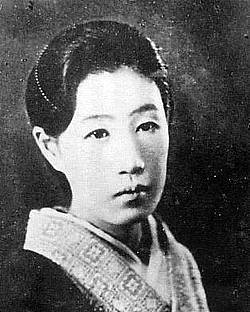
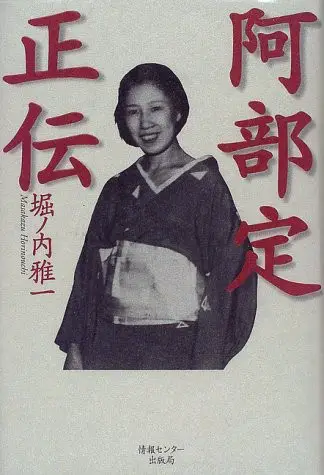
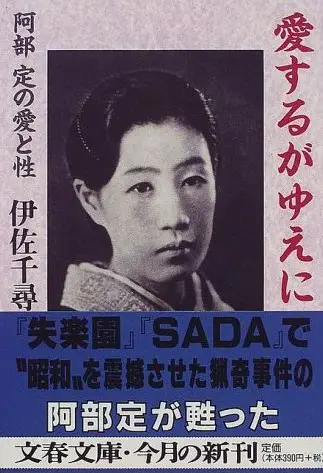
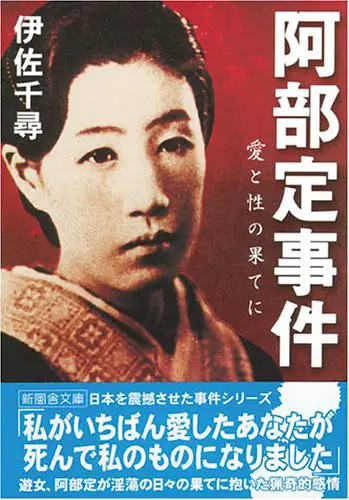
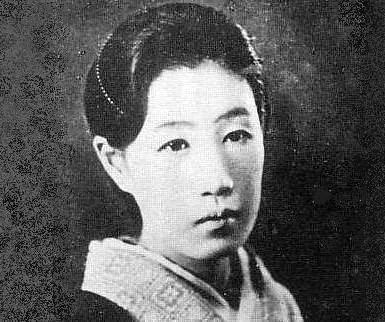
| Full Legal Name | Sada Abe (阿部 定) |
| Registered Monikers | The Abe Sada Incident (Abe Sada Jiken) |
| Nationality | Japanese |
| Date and Place of Birth | May 28, 1905, Kanda, Tokyo, Empire of Japan |
| Date and Place of Death | Unknown (withdrew from public life circa 1971; presumed deceased) |
| Judicial Sentence | Sentenced to 6 years imprisonment; granted imperial clemency and released in 1941 |
| Criminal Classification | Erotomanic crime of passion / Post-mortem genital excision / Fetishism |
| Date of Crime | May 18, 1936 (early morning hours) |
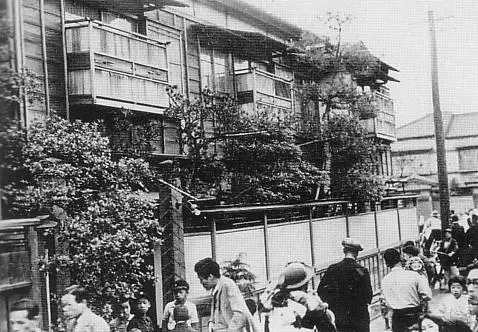
| Crime Scene | Masaki machiai inn, Arakawa ward, Tokyo, Japan |
| Fatal Victim | Kichizo Ishida (42 years old, Tokyo restaurant proprietor and lover) |
| Lethal Mechanism | Mechanical erotic asphyxiation via manual strangulation with a silk kimono sash (obi) |
| Post-Mortem Mutilation | Complete surgical excision of penis and testicles using a kitchen knife; carving kanji inscriptions on victim's thigh ("Sada and Kichi, alone together") |
| Cultural & Cinematic Significance | International literary and cinematic landmark; dramatized in Nagisa Ōshima's classic film In the Realm of the Senses (Ai no Korīda, 1976) |
Tokyo's Demimonde and Encounter with Kichizo Ishida
Born in 1905 to an upper-middle-class tatami manufacturer in Tokyo, Sada Abe experienced a turbulent youth. After being sexually assaulted at age fourteen, her relationship with her conservative family fractured, leading to her estrangement.
Throughout the 1920s and early 1930s, Abe operated as a geisha apprentice, waitress, and courtesan in licensed quarters across Tokyo, Osaka, and Nagoya. In February 1936, seeking regular employment, she took a domestic position at the Yoshida dining establishment in Tokyo's Nakano ward.
The restaurant was owned by Kichizo Ishida, an affable 42-year-old married man renowned for extramarital dalliances. The mutual attraction between Abe and Ishida exploded into an all-consuming sexual obsession that rapidly detached both individuals from reality.
The Masaki Inn Retreat and Fatal Strangulation
In late April 1936, the lovers abandoned their respective homes and checked into the Masaki machiai (traditional private meeting inn) in Arakawa. For over two weeks, the couple remained confined inside their tatami room, drinking sake and engaging in marathon sexual encounters.
Their intimacy progressively incorporated erotic breath control. Ishida repeatedly instructed Abe to compress his throat with her kimono sash (obi) to enhance orgasm.
On the morning of May 18, 1936, as Ishida slept soundly following heavy intoxication, Abe looped the silk cord tightly around his neck and strangled him to death. As she later confessed during police interrogations, she was seized by possessive despair: alive, Ishida would inevitably return to his wife; in death, his presence would remain hers exclusively forever.
Genital Severing and Three-Day Flight
Following the homicide, Abe lay beside the corpse for several hours. She subsequently obtained a kitchen carving knife and cleanly severed Ishida's penis and scrotum. Using the tip of the blade, she carved the kanji characters "定吉二人きり" (Sada and Kichi, alone together) into his inner left thigh and penned her name in blood across his left forearm.
Abe wrapped the severed genitalia in Japanese newspaper sheets and stored them in her handbag alongside Ishida's soiled undergarments. Over the next three days, she wandered throughout Tokyo's hotels and temples in a calm, trancelike state, affectionately carrying the preserved organs as sacred love charms.
Trial, Imperial Pardon, and Cultural Legacy
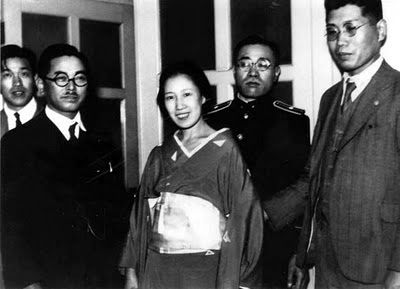
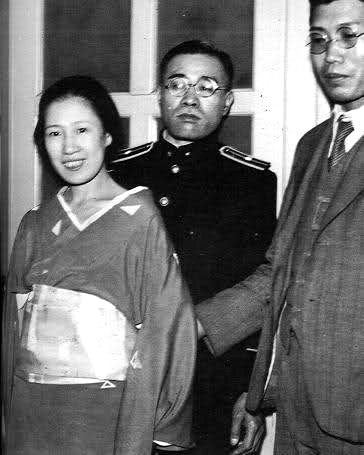
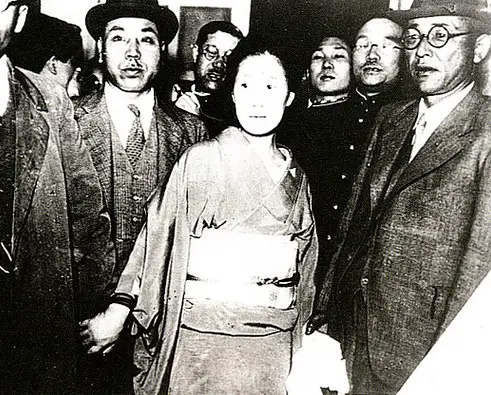
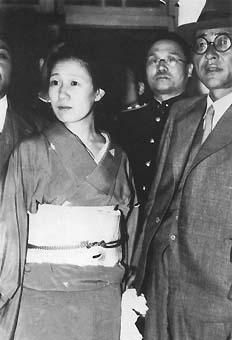
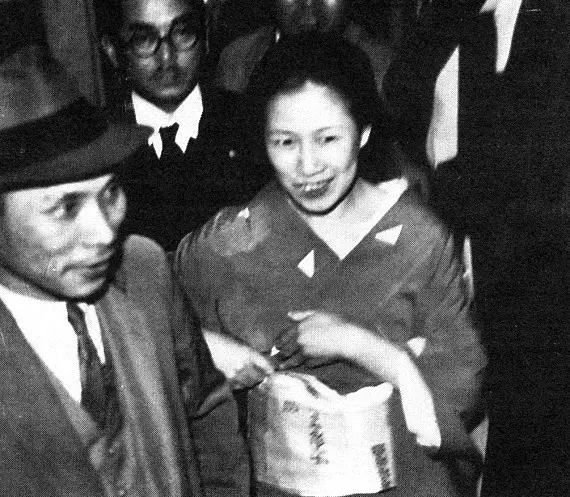
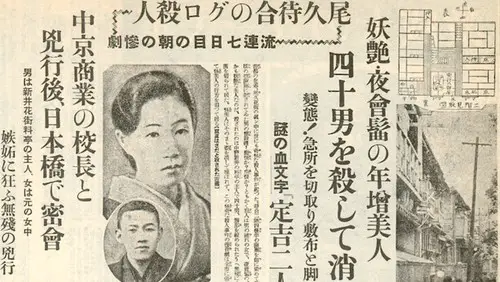
The discovery of Ishida's mutilated corpse triggered an unprecedented media sensation in pre-war Japan, briefly pushing military escalations and geopolitical tensions off newspaper front pages. The Tokyo Metropolitan Police mobilized an intensive manhunt, arresting Abe on May 20, 1936, at an inn in Shinagawa.
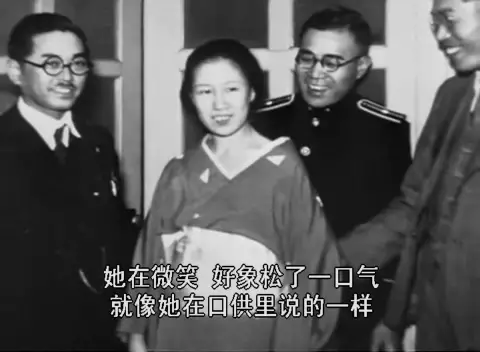
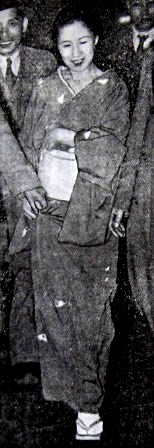
Abe surrendered serenely, exhibiting no remorse and smiling before press cameras: "Kichi and I are finally united. I have zero regrets."
Psychiatric evaluations determined that Abe possessed an erotomanic, histrionic personality structure but was free from clinical insanity. In December 1936, the Tokyo District Court handed down a six-year prison sentence. In 1941, during the national 2600th imperial anniversary celebrations, she received an imperial pardon and was paroled.
Following the war, Abe published an autobiography and managed a Tokyo establishment before fading into anonymity in the 1970s. The incident stands as one of the most culturally documented crimes of passion in modern criminological literature.