



Forensic & Criminological Matrix
| Parameter | Forensic Detail |
|---|---|
| Forensic Heading / Aliases | The Black Widow of Kyoto |
| Legal Identity | Chisako Kakehi |
| Confirmed Victims | 3 |
| Attributed / Indicted Victims | 10 |
| Active Timeline | 1994 - 2013 |
| Jurisdiction / Area of Operations | Kyoto, Japan |
| Criminological Classification | Serial Killer (Poisoner) |
| Forensic Modus Operandi | Cyanide poisoning via beverages |
| Weapon / Mechanism of Death | Cyanide |
| Motive / Behavioral Dynamics | Financial gain |
| Judicial Outcome | Death sentence (2017) |
1. Background and Profile
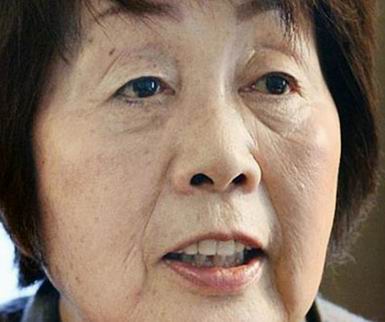
Chisako Kakehi, born in 1946, was a retired bank employee who became one of Japan's most notorious serial killers. Following the bankruptcy of a textile company she established with her first husband, Kakehi began seeking partners through matchmaking services, specifically targeting wealthy, elderly men. Prosecutors described her as a calculated individual driven by extreme greed.
2. Criminal Career and Modus Operandi
Kakehi's modus operandi involved entering into romantic relationships with elderly men, often marrying them or formalizing their unions. She would then administer lethal doses of cyanide, frequently disguising the poison as health supplements. Between 1994 and 2013, at least ten of her partners died suddenly. She amassed approximately $8.98 million through life insurance payouts and inheritances.
3. Investigation and Arrest
The investigation gained momentum following the death of her last husband, Isao Kakehi, in December 2013, just one month after their marriage. An autopsy revealed lethal levels of cyanide in his system. Police searched her home in Muko, discovering cyanide hidden in a flowerpot, along with medical literature and tools for handling pharmaceutical powders.
4. Legal Proceedings and Outcome
She was arrested on November 19, 2014. During her trial, one of the longest in Japanese history, Kakehi initially pleaded not guilty, citing dementia. However, she later confessed to the murder of her husband, Isao. On November 7, 2017, the Kyoto District Court sentenced her to death.
5. Psychiatric Evaluation and Conclusion
Defense attorneys argued that Kakehi suffered from mild dementia, rendering her testimony unreliable. The court rejected this defense, concluding that the defendant was fully competent and that her actions were premeditated, heinous, and motivated by extreme financial greed.