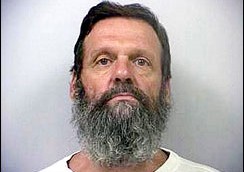
Forensic & Criminological Matrix
| Parameter | Forensic Detail |
|---|---|
| Forensic Heading / Aliases | None |
| Legal Identity | Robert Neal Rodriguez |
| Confirmed Victims | 0 (due to death of perpetrator) |
| Attributed / Indicted Victims | 3 |
| Active Timeline | 1984 - 1992 |
| Jurisdiction / Area of Operations | Tallahassee, Florida, USA |
| Criminological Classification | Serial killer / Former police officer |
| Forensic Modus Operandi | Shooting victims after failed sexual assault attempts |
| Weapon / Mechanism of Death | Firearm / Cyanide poisoning |
| Motive / Behavioral Dynamics | Sexual |
| Judicial Outcome | Case closed due to perpetrator's suicide |
1. Background and Profile
Robert Neal Rodriguez was a former police officer who served with the Portland, Oregon Police Department for two years, leaving in 1977. He later relocated to Tallahassee, Florida, to care for his mother. His transition from law enforcement to violent crime remains a subject of criminological interest regarding the abuse of authority and predatory behavior.
2. Crime Spree
Rodriguez is attributed with three murders. In 1984, he killed a 22-year-old woman whose body was discovered in a pond three months after she vanished from a Tallahassee shopping center. In March 1992, he murdered two 16-year-old girls from Thomasville, Georgia, at a beach south of Tallahassee. His modus operandi involved the use of firearms when sexual assault plans failed.
3. Investigation and Arrest
Following the beach murders in 1992, investigators identified Rodriguez as a person of interest because his vehicle matched one seen near the crime scene. He fled Tallahassee on May 5, 1992, as police scrutiny intensified.
4. Legal Proceedings and Outcome
Rodriguez was never charged in court. On May 15, 1992, he committed suicide at a highway rest stop in New Mexico. He left a handwritten letter confessing to the three murders, which was received by Florida authorities shortly after his death.
5. Forensic Conclusion
The case was effectively closed upon the discovery of his body and the receipt of his confession. His suicide served as a final act of evasion, preventing any formal judicial process or comprehensive psychiatric evaluation.