





Forensic & Criminological Matrix
| Parameter | Forensic Detail |
|---|---|
| Forensic Heading / Aliases | None |
| Legal Identity | Robert A. MacGregor |
| Confirmed Victims | 1 (Scyrel Sparling) |
| Attributed / Indicted Victims | 4 (John Wesley, Peter, Albert, and Scyrel Sparling) |
| Active Timeline | 1909 - 1911 |
| Jurisdiction / Area of Operations | Ubly, Michigan, USA |
| Criminological Classification | Serial Killer / Poisoner |
| Forensic Modus Operandi | Administration of toxins (arsenic/strychnine) under false medical diagnosis |
| Weapon / Mechanism of Death | Chemical poisoning |
| Motive / Behavioral Dynamics | Financial gain (life insurance policies) |
| Judicial Outcome | Life imprisonment (1912); pardoned by Governor Ferris (1916) |
1. Background and Profile
Born in London, Ontario, in 1879, Dr. Robert A. MacGregor established his medical practice in Ubly, Michigan, in 1905. He was highly regarded by the local community for his athletic build and professional bedside manner, which allowed him to integrate into the elite social circles of the farming hamlet.
2. Crime Spree
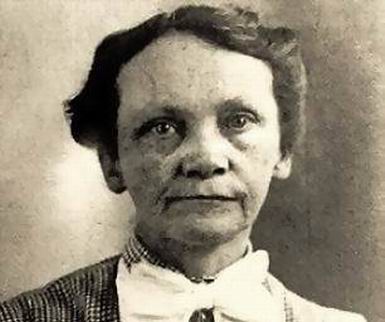
The criminal activity involved the systematic poisoning of the Sparling family. Following the death of the patriarch, John Wesley Sparling, in 1909, his sons Peter, Albert, and Scyrel died in rapid succession. MacGregor had advised the family to purchase life insurance policies, with Carrie Sparling as the beneficiary, while he simultaneously profited from the insurance payouts.
3. Investigation and Arrest
Suspicion was raised by Dr. Daniel Conboy, who recognized symptoms of arsenic poisoning. Despite MacGregor's attempts to sabotage the autopsy of Scyrel Sparling by withholding the stomach for analysis, pathologists at the University of Michigan confirmed the presence of lethal arsenic levels.
4. Legal Proceedings and Outcome
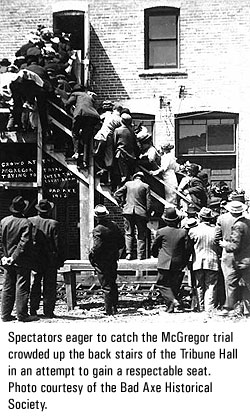
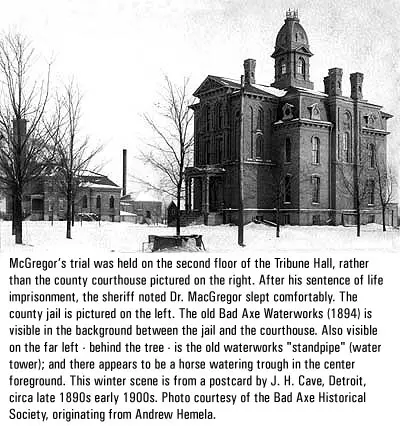
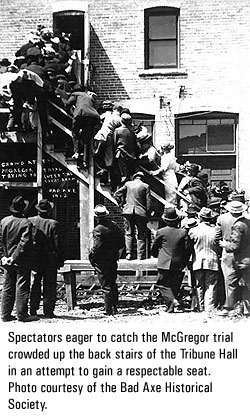
In 1912, MacGregor stood trial in Bad Axe. The prosecution presented a chain of circumstantial evidence, including testimony regarding his affair with Carrie Sparling and his financial involvement in the insurance claims. On June 6, 1912, he was found guilty of first-degree murder.
5. Forensic Psychiatry and Aftermath
MacGregor served as a prison physician while incarcerated at Jackson State Prison. In 1916, Governor Woodbridge N. Ferris granted him an unconditional pardon, citing a personal belief in his innocence. The decision remains one of the most controversial legal interventions in Michigan history.