



Forensic & Criminological Matrix
| Parameter | Forensic Detail |
|---|---|
| Forensic Heading / Aliases | The Robinson Sisters |
| Legal Identity | Ashleigh Robinson and Holly Robinson |
| Confirmed Victims | Antoni Robinson (1) |
| Active Timeline | November 2010 |
| Jurisdiction / Area of Operations | Old Colwyn, Conwy, Wales (United Kingdom) |
| Criminological Classification | Filicide / Parricide via Joint Enterprise |
| Forensic Modus Operandi | Premeditated conspiracy involving threat dissemination, surveillance, and instigating romantic partners to execute a nocturnal knife attack while the victim slept |
| Weapon / Mechanism of Death | Commando-style combat blade and kitchen knife (multiple fatal stab wounds, severed jugular vein) |
| Motive / Behavioral Dynamics | Financial disputes, patrimonial greed, and domestic animosity |
| Judicial Outcome | Mandatory life sentences with minimum terms of 22 years (Ashleigh) and 18 years (Holly) handed down at Mold Crown Court, upheld by the Court of Appeal in 2011 |
1. Background and Profile
Sisters Ashleigh and Holly Robinson became the center of one of the United Kingdom's most disturbing domestic murder cases. Amidst long-standing family fractures involving financial disagreements, property disputes, and inheritance expectations regarding their father, Antoni Robinson—a 61-year-old retired antiques dealer—the sisters cultivated an intense hostility toward him, fueled by dysfunctional peer relationships with their boyfriends.
2. Crime Spree and Modus Operandi
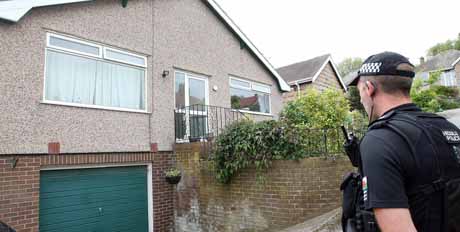
In November 2010, a calculated plot materialized. Motivated by financial greed and perceived grievances, the sisters conspired to eliminate their father. Ashleigh sent explicit death threats via text message hours before the homicide. The physical execution was delegated to their boyfriends; Gordon Harding entered Antoni's bungalow in Old Colwyn while he slept and inflicted a frenzied fatal assault with multiple knives, severing the victim's jugular. The sisters participated under the legal doctrine of joint enterprise, orchestrating and facilitating the fatal outcome.
3. Investigation and Forensic Pursuit
Law enforcement swiftly uncovered the digital footprint of the conspiracy through incriminating text messages sent immediately before and after the murder. Investigators also dismantled a concerted cover-up attempt involving the sisters, their boyfriends, and the victims' former partner Joanne Barr, who lied to police, leading to additional obstruction charges.
4. Legal Proceedings and Outcome
Following a rigorous three-week trial at Mold Crown Court in early 2011, the sisters were convicted of murder. Trial judge Mr Justice Griffith-Williams highlighted their total lack of remorse. Ashleigh Robinson was ordered to serve a minimum of 22 years, while Holly Robinson received an 18-year minimum term. Appeals to London's Court of Appeal before the Lord Chief Justice were decisively rejected in May 2011.
5. Psychological Evaluation and Aftermath
Criminologically, the case illustrates extreme filicidal aberration driven by material avarice and shared psychopathic dynamics within a corrupted family unit. The judicial outcomes reaffirmed strict accountability for instigators under joint enterprise laws in parricide cases.