




Forensic & Criminological Matrix
| Parameter | Forensic Detail |
|---|---|
| Full Legal Name | Bunthawee Rimmer |
| Judicial Matter | Ipswich Crown Court Proceedings / R v. Rimmer (2012) |
| Date of Birth | 1963, Kingdom of Thailand |
| Current Custodial Status | Incarcerated serving life imprisonment; HM Prison Service |
| Jurisdiction / Venue | Haverhill, County of Suffolk, England, United Kingdom |
| Confirmed Victims | 1 (Paul Norfolk, aged 77) |
| Date of Offense | December 29–30, 2011 |
| Weapon Utilized | 16-ounce claw hammer (twelve blunt-force cranial fractures) |
| Criminogenic Motive | Premeditated financial gain from testamentary inheritance (£340,000) |
| Sentencing Authority | Crown Court at Ipswich, England |
Domestic Arrangement in Haverhill
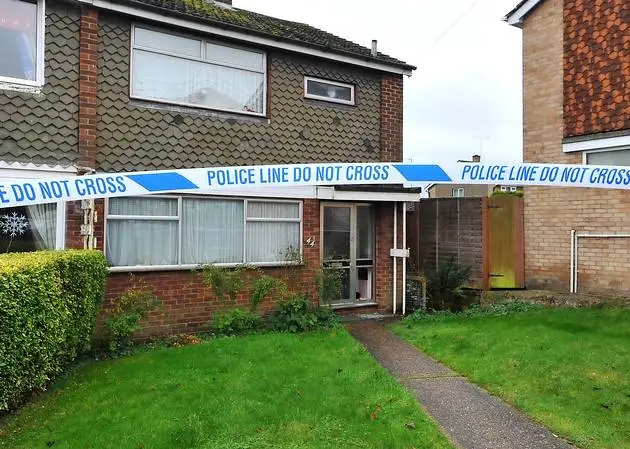
Bunthawee Rimmer, a Thai national residing in the United Kingdom, was convicted in England for the bludgeoning murder of seventy-seven-year-old retired widower Paul Norfolk. Following the death of her previous husband in late 2010, Rimmer moved into Norfolk’s home on Castle Road in Haverhill, Suffolk, initially assisting in caring for Norfolk’s ailing wife.
Following the wife’s institutionalization, Rimmer remained in the household, entering into an intimate partnership with Norfolk. In October 2011, Norfolk executed a revised will designating Rimmer as the principal heir to his residence and financial liquid assets valued at approximately £340,000.
The Hammer Assault of December 2011
In late December 2011, interpersonal domestic tensions escalated within the home. In the late hours of December 29–30, while Paul Norfolk was asleep in his bed, Rimmer retrieved a 16-ounce steel claw hammer and delivered approximately twelve forceful blows directly to his head and face. The strikes produced compound depressed cranial fractures and catastrophic brain trauma, resulting in death in situ.
Following the assault, Rimmer ingested domestic toilet cleaning chemicals, overdosed on pharmaceutical medication, and sustained superficial self-inflicted knife lacerations in an apparent suicide attempt. On December 30, prompted by concerns from Norfolk's brother, Suffolk Constabulary officers entered the residence, finding Norfolk deceased in bed and Rimmer unconscious on the floor beside him.
Adjudication and Mandatory Life Sentence
Emergency medical treatment stabilized Rimmer, leading to her formal indictment for murder. At her trial before the Ipswich Crown Court in July 2012, defense counsel argued diminished responsibility attributable to clinical depression and acute distress.
Crown prosecutors introduced testamentary documentation and physical evidence establishing deliberate, focused intent directed at securing the financial estate. The jury rejected the diminished responsibility defense and returned a unanimous verdict of guilty of murder. The trial judge sentenced Bunthawee Rimmer to life imprisonment with a mandatory minimum non-parole tariff of eleven years.