

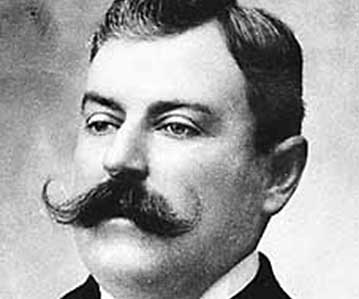
Forensic & Criminological Matrix
| Parameter | Forensic Detail |
|---|---|
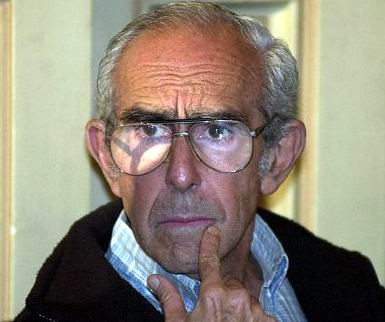
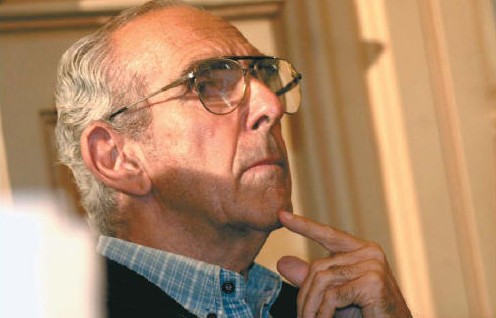
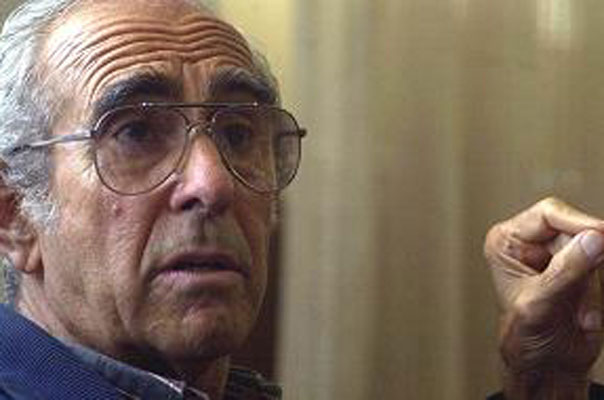
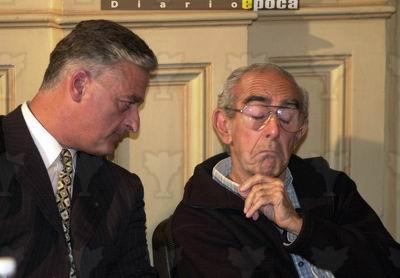
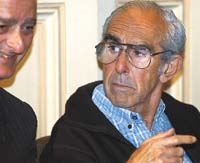
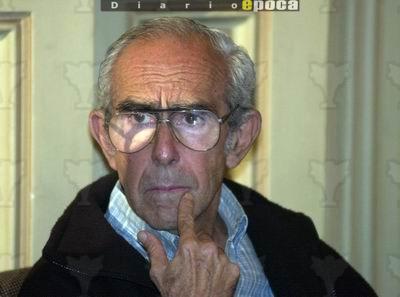
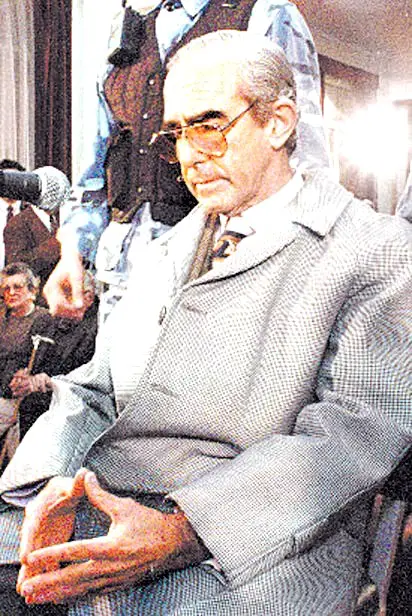
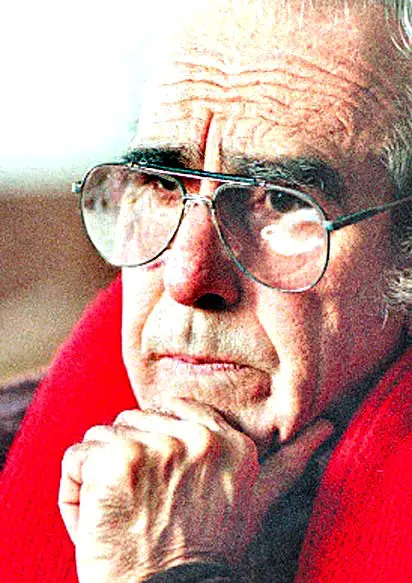
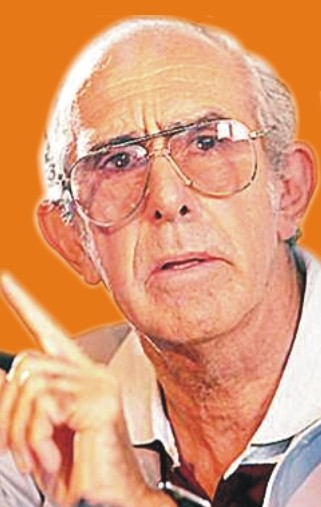
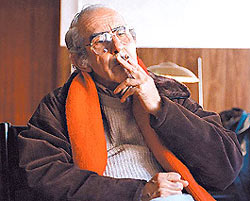
| Full Legal Name | Ricardo Alberto Barreda |
| Registered Monikers | The Dentist of La Plata, The Argentine Quadruple Parricide |
| Nationality | Argentine |
| Date and Place of Birth | June 16, 1936, La Plata, Buenos Aires Province, Argentina |
| Date and Place of Death | May 25, 2020, José C. Paz, Buenos Aires Province, Argentina (aged 83) |
| Cause of Death | Cardiorespiratory arrest and severe cognitive decline |
| Criminal Classification | Familicide / Multiple parricide / Domestic mass murderer |
| Date of Offense | November 15, 1992 |
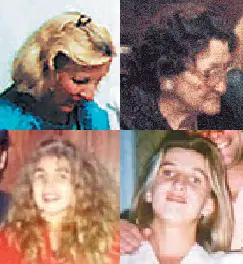
| Confirmed Victims | 4 (his wife Gladys McDonald, 57; his mother-in-law Elena Arreche, 86; and his daughters Cecilia, 26, and Adriana, 24) |
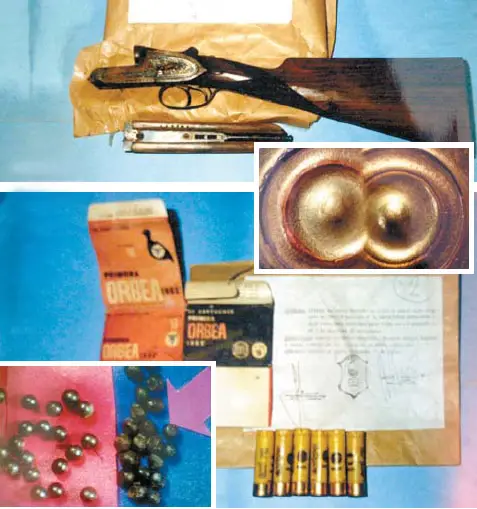
| Weapon Used | 16-gauge Víctor Sarrasqueta side-by-side double-barrel hunting shotgun |
| Modus Operandi | Ambush shooting within the domestic residence; point-blank shotgun blasts in the kitchen and hallway; systematic reloading between discharges; staging of the crime scene to simulate an armed burglary followed by the disposal of the weapon in an estuary and fabricating an alibi. |
| Psychological Profile | Passive-aggressive traits, wounded narcissism, profound dissociative emotional coldness, and explosive discharge of chronic suppressed rage against domestic humiliation. |
| Judicial Trajectory | Sentenced to life imprisonment in 1995 by the La Plata Criminal Chamber; granted house arrest in 2008 and parole in 2011; died in a nursing home. |
Household Tension and Pre-Crime Dynamics
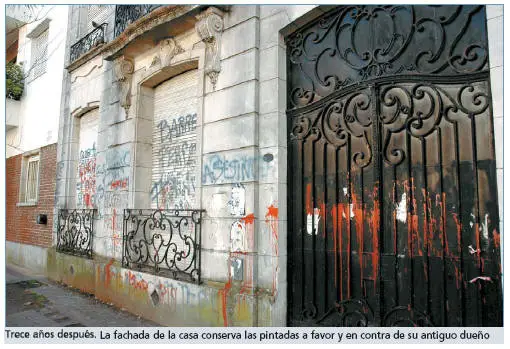
Ricardo Barreda was a practicing dentist residing in a stately two-story house on 48th Street in central La Plata, Argentina. He shared the residence with his wife Gladys McDonald, his mother-in-law Elena Arreche, and his adult daughters Cecilia (a 26-year-old dentist) and Adriana (a 24-year-old attorney).
Over decades, the domestic climate deteriorated into chronic psychological hostility. According to Barreda and family acquaintances, the female members of the household subjected him to perpetual emasculation and contempt, routinely addressing him by the derogatory slur "Conchita". Barreda internalized this persistent humiliation, incubating a methodical fantasy of annihilating the entire household.
The November 15, 1992 Familicide
On the morning of Sunday, November 15, 1992, following a domestic dispute where his wife reportedly ordered him to wipe down ceiling cobwebs, Barreda walked to a garage trunk containing a 16-gauge Víctor Sarrasqueta hunting shotgun—ironically gifted to him years earlier by his mother-in-law.
Loading the firearm with heavy buckshot cartridges, he walked into the kitchen and opened fire on his wife Gladys, killing her instantly, before shooting his eldest daughter Cecilia. When his mother-in-law Elena and younger daughter Adriana descended the stairs to investigate the gunfire, Barreda reloaded and shot them point-blank in the narrow hallway, administering contact coup-de-grâce shots to guarantee their deaths.
Fabricated Burglary and Confession
Following the killings, Barreda carefully collected spent shells, loaded the shotgun into his Ford Falcon, and rummaged through drawers to stage a chaotic burglary. He spent the remainder of the day establishing an alibi: visiting his mistress, eating at a local pizzeria, touring a municipal zoo, and tossing the firearm and remaining cartridges into a creek in Punta Lara.
Around midnight, he returned home and staged a frantic emergency call to police, claiming armed robbers had massacred his family. However, homicide investigators and forensic specialists immediately recognized that the doors had not been forced, valuables remained untouched, and blood spatter did not align with a struggle. Subjected to forensic interrogation by Police Commissioner Ángel Petti, Barreda broke down and delivered a full confession: "I did it because I was sick of them".
Trial, Media Impact, and Later Years
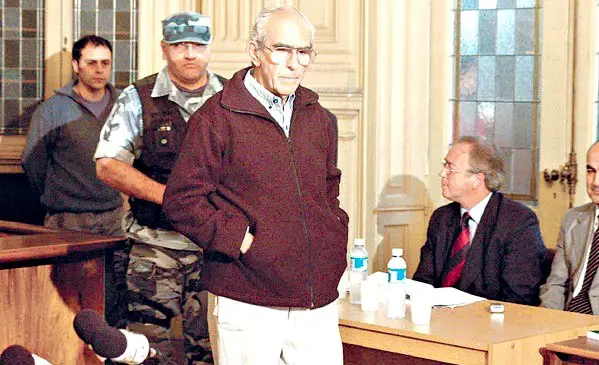
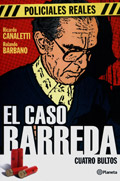
In 1995, the Criminal Chamber of La Plata sentenced Barreda to life imprisonment (reclusión perpetua) for multiple aggravated homicide. The trial became an enduring cultural milestone in Argentina, sparking fierce public debates regarding domestic violence, machismo, and legal sanity.
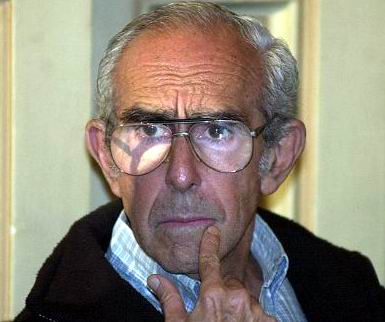
In 2008, Barreda was granted house arrest on humanitarian grounds due to advanced age, living with a new partner in Buenos Aires before returning briefly to prison following domestic conflict. He received full parole in 2011. In his final years, suffering from dementia and physical infirmity, Barreda lived in a modest geriatric home in José C. Paz, where he died on May 25, 2020, at age 83.